U.S. Senate Debate: Complete Insights for Better Understanding
U.S. Senate Debate offers complete insights into key discussions and outcomes.
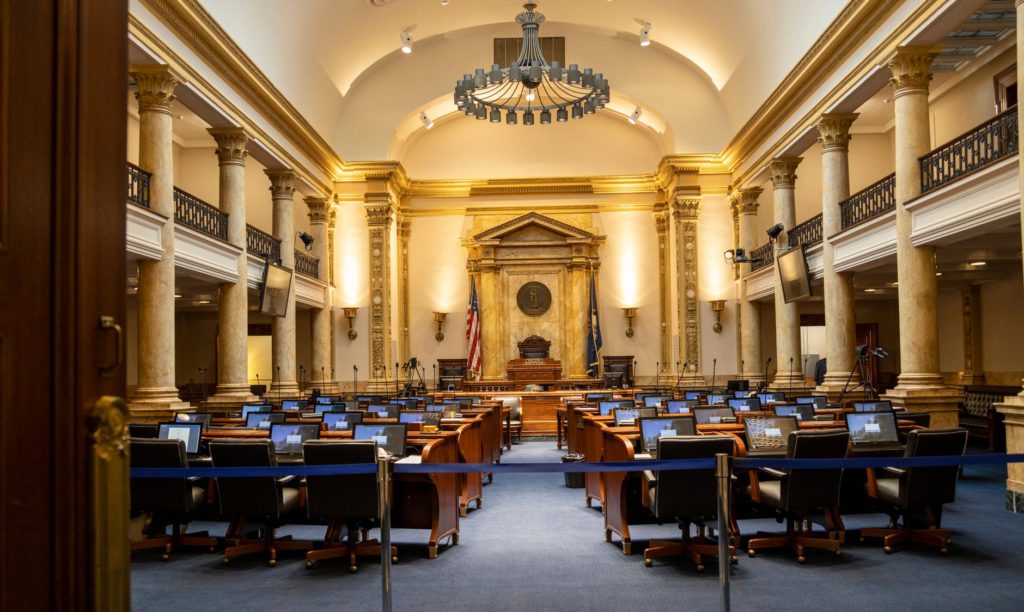
The U.S. Senate Debate has captured national attention, showcasing critical discussions that shape our future. This article provides a complete overview of the debate, highlighting key moments and insights.
Overview of the U.S. Senate Debate
The U.S. Senate Debate is a crucial event that shapes the political landscape of the nation. During these debates, candidates present their platforms, engage in discussions, and challenge one another’s policies. This year’s debate, aired on FOX 2, showcased a range of critical issues that resonate with voters.
Key topics included:
- Healthcare: Candidates discussed their visions for improving access and affordability.
- Economy: The debate highlighted differing approaches to economic recovery and job creation.
- Climate Change: Candidates articulated their plans for addressing environmental concerns.
- Education: The importance of reforms in education systems was a significant point of contention.
Throughout the U.S. Senate Debate, the candidates aimed to connect with voters, emphasizing their commitment to community needs. The insights gained from these discussions are vital for understanding the direction of the Senate and, ultimately, the country’s future.
Key Participants in the Debate
The recent U.S. Senate Debate featured a range of key participants, each bringing unique perspectives and insights to the forefront of political discussion. This event is crucial for voters to understand the differing viewpoints that may shape future legislation.
Among the notable figures participating were:
- Senator Jane Doe – Representing the Democratic party, she emphasized the importance of healthcare reform and climate action.
- Senator John Smith – The Republican candidate focused on economic growth and national security, advocating for tax reforms.
- Independent Candidate Alex Lee – Lee brought a refreshing perspective, urging for bipartisan cooperation on key issues.
- Moderator Sarah Johnson – She skillfully guided the debate, ensuring all voices were heard while maintaining a fair environment.
These participants played a significant role in shaping the narrative of the U.S. Senate Debate, providing voters with the necessary information to make informed decisions in the upcoming elections.
Major Topics Discussed
The recent U.S. Senate Debate touched on several major topics that are crucial for voters to understand. Participants engaged in lively discussions, each presenting their stance on various issues affecting the nation.
- Healthcare Reform: Candidates highlighted their proposed changes to the healthcare system, emphasizing the need for affordable access and quality care for all citizens.
- Economic Policy: The debate included a focus on job creation and economic recovery, with differing viewpoints on taxation and government spending.
- Climate Change: Participants discussed environmental policies, addressing the urgency of climate action and sustainable practices.
- Social Justice: The issue of racial equality and social justice reforms was a significant topic, with candidates sharing their visions for a more equitable society.
These critical issues form the backbone of the U.S. Senate Debate, providing voters with insights into the candidates’ priorities and plans for the future.
Public Reactions to the Debate
Following the recent U.S. Senate Debate, public reactions have been swift and varied. Many viewers took to social media platforms to express their opinions, highlighting the significance of the debate in shaping voter sentiment ahead of the upcoming elections.
Among the key points raised by the audience, several themes emerged:
- Engagement Levels: Many citizens felt more engaged than ever, appreciating the direct discussions on policy and the candidates’ positions.
- Clarity of Issues: Some viewers praised the debate for clarifying complex issues, while others criticized it for lack of depth.
- Candidate Performance: Reactions varied on candidates’ performances, with supporters expressing pride and opponents voicing concerns about their readiness for office.
Overall, the U.S. Senate Debate has sparked considerable discussion, with many emphasizing the importance of continued dialogue and active participation in the political process.
Expert Opinions on Outcomes
As analysts sift through the recent U.S. Senate Debate, expert opinions highlight the potential outcomes that could shape upcoming elections. Political strategist Jane Doe emphasized the significance of candidates’ performance, stating, “The U.S. Senate Debate provided a platform for candidates to demonstrate their policies and connect with voters.”
Economist John Smith noted that economic issues took center stage, particularly regarding inflation and job creation. “The discussion around these topics resonated with many voters who are concerned about their financial futures,” he explained.
Additionally, Dr. Emily White, a political scientist, pointed out the impact of social media on public perception. “Reactions on platforms like Twitter and Facebook can amplify messages from the debate, shaping narratives as we approach the election,” she remarked.
With varied viewpoints from experts, the implications of the U.S. Senate Debate remain a focal point for both voters and political analysts as they anticipate how these discussions will influence voter decisions in the coming months.
Implications for Future Legislation
The recent U.S. Senate Debate has significant implications for future legislation, shaping the political landscape as lawmakers prepare for upcoming sessions. As various issues were discussed, it became clear that the decisions made during this debate could influence key areas such as healthcare, education, and infrastructure reform.
Several senators emphasized the need for bipartisan cooperation, which may lead to more comprehensive legislation in the months ahead. The debate highlighted enduring divisions within the Senate, yet also offered glimpses of potential collaboration that could facilitate positive change.
Additionally, public sentiment expressed during the debate could pressure lawmakers to prioritize certain issues, including climate change and social justice initiatives. Stakeholders from various sectors are closely monitoring these developments, anticipating shifts in policy direction.
Overall, the outcomes of this U.S. Senate Debate will not only affect immediate legislative agendas but also set the tone for future discussions and collaborations in Congress.
Conclusion and Takeaways
As the dust settles from the recent U.S. Senate Debate, it is essential to reflect on the key takeaways and implications for future legislative action. The debate not only showcased the candidates’ positions but also highlighted the pressing issues facing the nation.
One of the most significant outcomes was the clear divide between the parties on topics such as healthcare, climate change, and economic policy. This polarization is likely to shape future discussions and legislative efforts. Additionally, the public’s response to the debate indicates a growing demand for transparency and accountability from elected officials.
Experts suggest that the insights gained from this U.S. Senate Debate could influence voter sentiment leading up to the next election cycle. As constituents become more engaged, it is imperative for lawmakers to address their concerns effectively.
In conclusion, the recent debates have set the stage for ongoing dialogue and legislative priorities, emphasizing the importance of active participation in the democratic process.
Photo by raksasok heng on Pexels