
Melting Arctic Glaciers: The Worst Climate Doom Loop Explained
Melting Arctic glaciers are creating a climate doom loop that threatens ecosystems. Discover the implications and urgency behind this pressing issue.
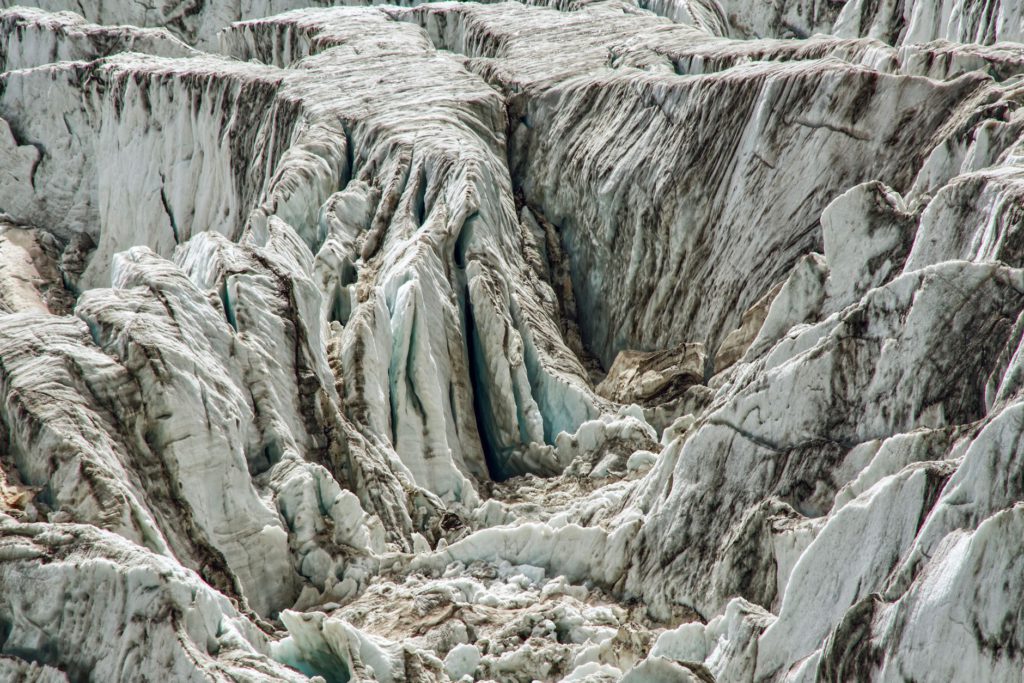
Melting Arctic glaciers are causing a climate ‘doom loop’ that exacerbates global warming. This phenomenon poses serious threats to ecosystems and weather patterns worldwide.
Understanding the Climate Doom Loop
The phenomenon of melting Arctic glaciers has been identified as a critical factor in the ongoing climate crisis. Understanding this climate doom loop is essential to grasp the broader implications for our planet.
As Arctic glaciers continue to melt at an alarming rate, they contribute to several interrelated environmental issues:
- Sea Level Rise: The melting ice contributes to rising sea levels, threatening coastal communities worldwide.
- Disruption of Ocean Currents: The influx of freshwater from melting glaciers alters ocean salinity, impacting global ocean currents that regulate climate patterns.
- Loss of Albedo Effect: As ice retreats, darker ocean waters are exposed, absorbing more sunlight and accelerating warming.
- Release of Methane: Thawing permafrost releases trapped methane, a potent greenhouse gas, further exacerbating climate change.
These interconnected processes create a feedback loop, where the consequences of one issue amplify others. For instance, rising temperatures lead to more ice melt, which in turn accelerates warming. This cycle poses a significant risk not only to the Arctic ecosystem but also to global climate stability.
Addressing the impact of melting Arctic glaciers is crucial in mitigating these effects and breaking the cycle of the climate doom loop.
The Role of Arctic Glaciers in Climate
Arctic glaciers play a crucial role in regulating the Earth’s climate. As they melt, they contribute to a series of interconnected processes that exacerbate climate change and create a perilous feedback loop. This phenomenon is often referred to as a climate “doom loop.” The melting Arctic glaciers not only contribute to rising sea levels but also affect weather patterns globally.
The primary functions of Arctic glaciers include:
- Reflecting Solar Radiation: Glaciers and ice sheets reflect sunlight back into space, a process known as the albedo effect. As these ice masses diminish, darker ocean waters are exposed, which absorb more heat and further accelerate warming.
- Regulating Ocean Currents: The melting of glaciers influences ocean salinity and temperature, disrupting established currents that help distribute heat around the planet. This disruption can lead to extreme weather events worldwide.
- Providing Freshwater: Glaciers serve as vital freshwater reservoirs. Their meltwater supports ecosystems and human populations, especially in regions dependent on glacial runoff.
However, as the rate of glacier melting accelerates, the consequences become more dire. The continued loss of Arctic glaciers is not merely a regional issue; it has far-reaching implications for the global climate system. Understanding these dynamics is essential for addressing the ongoing climate crisis.
Consequences of Melting Ice
The consequences of melting Arctic glaciers extend far beyond the immediate loss of ice. As these glaciers retreat, they contribute to a series of interconnected problems that exacerbate climate change, often referred to as a climate “doom loop.” This phenomenon leads to significant environmental, economic, and social challenges.
Firstly, the melting Arctic glaciers result in rising sea levels, which threaten coastal communities worldwide. The increased water volume can lead to flooding and erosion, displacing thousands of people and damaging infrastructure.
Secondly, as glaciers melt, they release stored freshwater into the ocean. This influx disrupts marine ecosystems, affecting fish populations and the communities that depend on them for their livelihoods. Additionally, the loss of ice cover reduces the Earth’s albedo effect, leading to further warming as darker ocean waters absorb more sunlight.
Moreover, the release of trapped greenhouse gases, such as methane, from beneath the ice adds to atmospheric warming. This creates a vicious cycle where warming leads to more melting, further accelerating the process.
Lastly, the melting Arctic glaciers impact global weather patterns, causing extreme weather events such as hurricanes and droughts. These changes threaten food security and economic stability in various regions, amplifying the urgency of addressing the underlying causes of climate change.
In summary, the consequences of melting Arctic glaciers are profound and multifaceted, highlighting the critical need for immediate action to combat climate change.
How Climate Change Accelerates Ice Melt
The phenomenon of melting Arctic glaciers is not merely a consequence of climate change; it is a significant driver that exacerbates the problem. As these glaciers continue to lose mass at alarming rates, they contribute to a series of interrelated effects that further accelerate global warming.
One key aspect of this acceleration is the loss of reflective ice surfaces, which are replaced by darker ocean water. This transition leads to a reduction in the Earth’s albedo, or its ability to reflect sunlight. Consequently, more solar energy is absorbed, resulting in increased ocean temperatures and further ice melt. The cycle becomes self-perpetuating:
- Ice melting exposes more ocean water.
- Warmer ocean water leads to additional ice loss.
- Increased absorption of solar energy raises global temperatures.
Additionally, melting Arctic glaciers release freshwater into the ocean, disrupting established currents and weather patterns. This alteration can lead to extreme weather events and unpredictable climate shifts, further complicating global climate initiatives. The melting ice not only poses immediate threats to coastal communities but also jeopardizes ecosystems that depend on stable ice conditions.
In essence, the melting Arctic glaciers create a vicious cycle that not only threatens the Arctic environment but also has far-reaching implications for the planet as a whole.
Global Implications of Arctic Changes
The rapid melting of Arctic glaciers has profound global implications that extend far beyond the icy realm. As these glaciers continue to diminish, they contribute significantly to rising sea levels, which pose a threat to coastal communities worldwide. The displacement of millions of people could ignite humanitarian crises and strain resources in urban areas.
Moreover, the loss of ice affects global weather patterns. As Arctic temperatures rise, the jet stream becomes more erratic, leading to extreme weather events across the globe. This disruption can result in severe storms, prolonged droughts, and increased flooding, affecting agriculture and water supply in various regions.
Additionally, melting Arctic glaciers release stored greenhouse gases, such as methane and carbon dioxide, into the atmosphere. This exacerbates climate change, creating a feedback loop that accelerates ice melt and further increases global temperatures. The implications of this cycle are dire, as it threatens biodiversity and disrupts ecosystems.
Countries that rely on stable climatic conditions for agriculture and fisheries face significant risks due to these changes. As fish populations fluctuate and crops fail, food security becomes a pressing issue. The international community must recognize that the fate of melting Arctic glaciers is intricately linked to the future of our planet, highlighting the urgent need for cooperative climate action.
Mitigation Strategies for Climate Impact
Addressing the challenges posed by melting Arctic glaciers requires a multifaceted approach to mitigate climate impact. Effective strategies can be grouped into several key areas:
- Reducing Greenhouse Gas Emissions: A fundamental step in mitigating the effects of climate change is to significantly reduce greenhouse gas emissions. Transitioning to renewable energy sources such as wind, solar, and hydroelectric power can help decrease reliance on fossil fuels.
- Enhancing Energy Efficiency: Improving energy efficiency in industries, homes, and transportation can lower overall energy consumption, thereby reducing emissions. Implementing energy-efficient technologies and practices is essential for long-term sustainability.
- Promoting Carbon Sequestration: Protecting and restoring forests, wetlands, and other natural carbon sinks can help absorb carbon dioxide from the atmosphere. Additionally, innovative technologies for carbon capture and storage (CCS) can play a significant role in reducing atmospheric CO2 levels.
- Supporting Sustainable Practices: Encouraging sustainable agriculture, responsible land use, and conservation efforts can mitigate impacts on ecosystems and promote resilience against climate change.
- Raising Public Awareness: Educating the public about the impacts of melting Arctic glaciers and the importance of climate action can drive collective efforts towards sustainable practices and policies.
By implementing these strategies, we can work towards breaking the cycle of climate impact exacerbated by the rapid melting of Arctic glaciers.
Public Awareness and Engagement
Public awareness and engagement play a crucial role in addressing the challenges posed by melting Arctic glaciers. As the impacts of climate change become increasingly evident, it is essential for individuals and communities to understand the implications of this phenomenon.
Many people are still unaware of how melting Arctic glaciers contribute to a climate “doom loop.” This loop creates a cycle of warming that exacerbates environmental issues globally. To combat this, raising awareness about the consequences of ice melt is vital.
Several organizations are working tirelessly to educate the public about the significance of Arctic glaciers. They emphasize the following points:
- Impact on Sea Levels: Melting glaciers contribute to rising sea levels, threatening coastal communities.
- Ecosystem Disruption: Changes in Arctic ecosystems affect wildlife and indigenous populations that depend on these environments.
- Climate Feedback Mechanisms: The loss of reflective ice surfaces accelerates warming, further increasing ice melt.
Engagement initiatives, such as community workshops, online campaigns, and educational programs, are essential in fostering understanding and motivating action. By empowering individuals with knowledge, society can collectively push for policies and practices that mitigate the effects of climate change.
Ultimately, as awareness grows, so does the potential for positive change in the face of the challenges posed by melting Arctic glaciers.
Future Projections for Arctic Regions
As scientists analyze the ongoing changes in the Arctic, future projections indicate alarming trends that could exacerbate the effects of climate change. The melting Arctic glaciers will likely lead to further disruptions in global weather patterns, which can result in extreme weather events across the globe.
Key predictions for the future of Arctic regions include:
- Increased Temperature: The Arctic is warming at a rate nearly three times faster than the global average, with projections suggesting this trend will continue.
- Rising Sea Levels: As glaciers retreat, sea levels are expected to rise significantly, threatening coastal communities and ecosystems worldwide.
- Loss of Biodiversity: The unique Arctic habitat is at risk, with many species facing extinction due to habitat loss and changing environmental conditions.
- Feedback Loops: Melting ice reduces the Earth’s albedo effect, leading to increased absorption of sunlight and further warming, creating a vicious cycle.
Moreover, the socio-economic implications for communities relying on stable climates are profound. Indigenous populations, in particular, face challenges as their traditional ways of life become increasingly threatened. The future of the Arctic is interconnected with global health, emphasizing the urgent need for comprehensive climate action to mitigate the impact of melting Arctic glaciers.
Photo by Susanne Jutzeler, suju-foto on Pexels
