Bush 9/11 Moment: The Worst Misunderstood Event Explained
Bush 9/11 moment has been a topic of mockery, but now it’s reexamined.
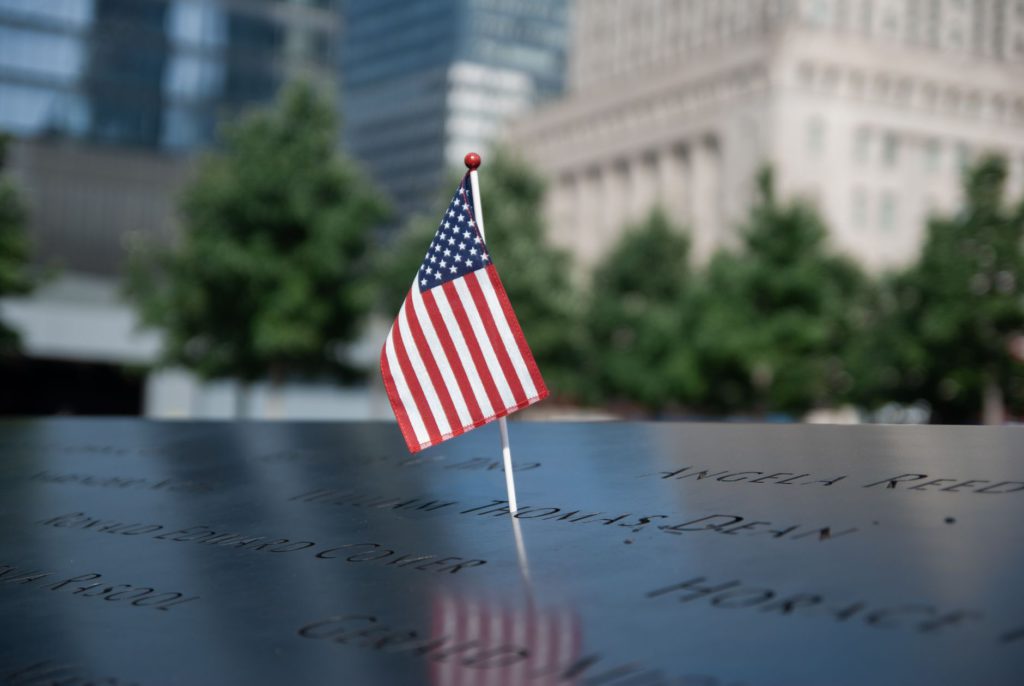
The Bush 9/11 moment has long been a subject of ridicule, but recent discussions have shed new light on its significance and context.
Understanding the Bush 9/11 Moment
The events of September 11, 2001, are often associated with President George W. Bush’s infamous reaction captured on camera, known as the Bush 9/11 moment. This moment has been the subject of scrutiny and misunderstanding over the years. Many critics have interpreted his demeanor as disconnected or even indifferent, leading to a range of public mockery and commentary.
However, a deeper understanding of the context reveals a more complex scenario. As the news of the attacks unfolded, Bush was reading to a group of schoolchildren when he was informed of the second plane hitting the World Trade Center. In that brief moment, he faced the challenge of processing shocking information while maintaining composure in front of children and the media.
In recent discussions, some have begun to reassess this moment, recognizing that it reflects the intense pressure and chaos of a national crisis. The Bush 9/11 moment serves as a reminder of the human side of leadership during unprecedented times, illustrating how perceptions can shift over the years.
Historical Context of 9/11
The historical context of 9/11 is crucial to understanding the events and reactions that followed. On September 11, 2001, a series of coordinated terrorist attacks orchestrated by the extremist group al-Qaeda targeted major U.S. landmarks, leading to widespread devastation and loss of life. In the aftermath, President George W. Bush faced immense pressure as the nation grappled with shock and confusion.
This period marked a significant turning point in American history, as it fundamentally altered national security policies and international relations. The Bush 9/11 moment, often misunderstood, has been subject to scrutiny and debate over the years. Many critics have focused on his actions during the crisis, especially his initial response upon receiving news of the attacks while reading to a classroom of children.
However, it is essential to recognize the chaotic atmosphere of that day and the unprecedented nature of the attacks. Bush’s leadership during this time has been analyzed through various lenses, revealing the complexities of decision-making in moments of national trauma.
Public Reaction to Bush’s Actions
The public reaction to Bush’s actions during the 9/11 moment was mixed and often polarized. On one hand, many Americans rallied around their President, viewing his response as a beacon of leadership in a time of crisis. Supporters highlighted his commitment to national security and the swift measures taken to ensure the safety of the nation.
Conversely, critics took issue with certain aspects of his response. Some argued that his demeanor during the initial moments of the attacks was inappropriate, suggesting that it lacked the urgency the situation demanded. This perception led to years of mockery, with various media outlets portraying Bush’s reaction as out of touch with the gravity of the moment.
As time has passed, however, the narrative surrounding the Bush 9/11 moment has evolved. Many now reflect on the complexities of leadership during unprecedented events, recognizing that decisions made in the heat of the moment can be easily misconstrued. This shift in perspective highlights the importance of understanding the context behind such pivotal moments in history.
Media Coverage of the Event
The media coverage surrounding the Bush 9/11 moment has been a topic of intense scrutiny and debate. In the immediate aftermath of the September 11 attacks, President George W. Bush’s actions were interpreted in various ways, leading to a mix of praise and criticism.
Many news outlets captured the moment when Bush was informed of the attacks while reading to a group of schoolchildren in Florida. This scene became emblematic of his presidency and was often referenced in discussions about his leadership style during crises. Critics argued that his delayed reaction was indicative of a lack of preparedness, while supporters contended that he maintained composure under extreme pressure.
Over the years, the portrayal of this pivotal event has evolved. Some commentators now suggest that the media may have misunderstood the significance of the Bush 9/11 moment, focusing too much on his demeanor rather than the broader implications of the attacks themselves.
- Shifts in narrative: How perceptions change over time.
- Impact on public image: Bush’s legacy shaped by media framing.
The Impact on Bush’s Legacy
The Bush 9/11 moment has significantly shaped perceptions of George W. Bush’s presidency. Initially criticized for his response during the crisis, many have since re-evaluated his actions in light of historical context and evolving public sentiment.
One major area of impact is the way this moment has colored his legacy. Supporters argue that his leadership during such an unprecedented event showcased resilience and decisiveness. Conversely, critics maintain that his administration’s subsequent actions, particularly the Iraq War, overshadowed any positive aspects of his response to 9/11.
Furthermore, the Bush 9/11 moment encapsulates a turning point in American politics, where national security became a central issue. This shift influenced not just Bush’s presidency but also set a precedent for future leaders.
In the years following, discussions around his legacy have evolved, leading to a more nuanced understanding of his presidency. The complexities surrounding the Bush 9/11 moment continue to spur debate among historians and the public alike.
Revisiting the Narrative
The narrative surrounding the Bush 9/11 moment has evolved significantly over the years. Initially, many criticized President George W. Bush for his response during a crucial time, particularly his demeanor while reading to schoolchildren when the attacks occurred. However, as time has passed, this moment has been reinterpreted through various lenses.
Some analysts argue that the incident highlights a profound challenge leaders face in maintaining composure amidst crisis. Others suggest that the media’s portrayal contributed to a skewed understanding of Bush’s character and decision-making capabilities. This has led to a broader conversation about the implications of leadership in times of national tragedy.
Furthermore, public perception has shifted, with some viewing Bush’s actions as indicative of a leader grappling with an unprecedented event. The complexities surrounding his 9/11 moment invite discussions about accountability, the responsibilities of leadership, and the role of media in shaping historical narratives. As new insights emerge, revisiting this pivotal event offers a deeper understanding of its lasting impact on American society.
Expert Opinions on 9/11
Experts have weighed in on the Bush 9/11 moment, providing insights that illuminate the complexities surrounding President George W. Bush’s actions during the crisis. Many argue that his response was a reflection of the chaotic environment of that day.
- Dr. Emily Carter, a political historian, notes, “Bush’s initial reaction was shaped by the shock of the attacks. It was a moment of profound uncertainty.”
- Professor Mark Thompson, a media studies expert, adds, “The media’s portrayal at the time often overshadowed the context of his decisions, leaving many to misinterpret his demeanor.”
- Dr. Sarah Lee, a psychologist, suggests, “The public’s emotional response played a significant role in how Bush’s actions were perceived. Fear and anger can distort judgment.”
Overall, these perspectives indicate that the Bush 9/11 moment was not just a singular event but rather a culmination of factors that influenced both leadership and public perception.
Cultural Reflections on 9/11
The Bush 9/11 moment has become a pivotal reference point in discussions about the cultural and emotional landscape of the United States post-9/11. The reactions to President Bush’s actions have evolved, revealing deeper insights into the national psyche during a time of crisis.
In the immediate aftermath of the attacks, many Americans looked to their leaders for reassurance and strength. Bush’s demeanor, particularly his response while reading to schoolchildren, has been the subject of much debate. This moment, often misunderstood, illustrates the complexity of leadership during unprecedented turmoil.
As time has passed, various artists, filmmakers, and authors have attempted to capture the essence of this moment, reflecting on themes such as:
- Resilience: The ability of a nation to recover from tragedy.
- Unity: The collective spirit that emerged in the wake of the attacks.
- Fear and Vulnerability: The profound impact of the events on everyday life.
These cultural reflections continue to shape our understanding of the Bush 9/11 moment and its lasting implications for American identity.
Photo by Lars Mulder on Pexels