Brent crude oil prices rise: The Real Impact of Conflict
Brent crude oil prices have surged above $100 a barrel amid rising tensions in the Middle East.
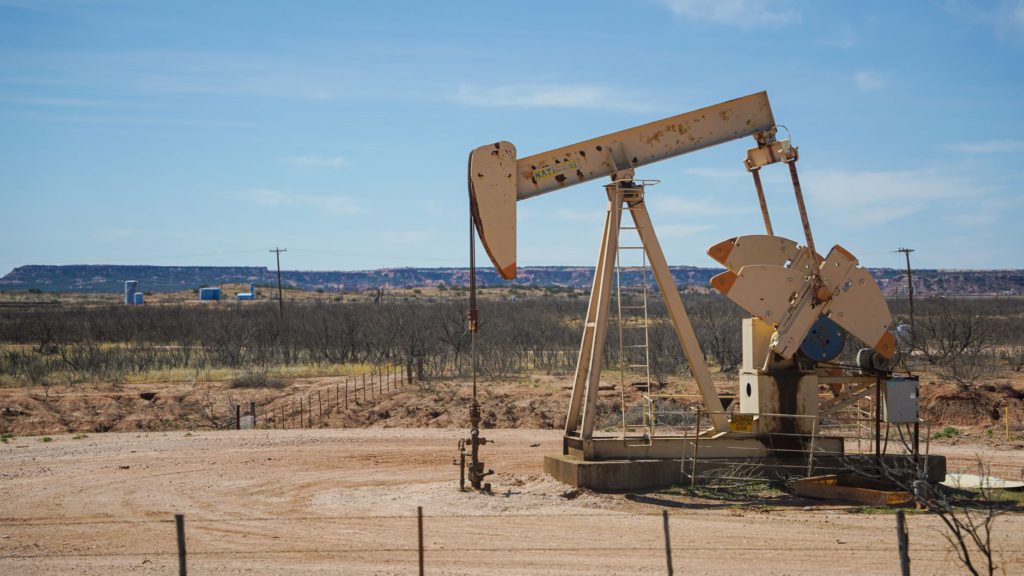
Brent crude oil prices have recently crossed the $100 mark as the conflict in the Middle East intensifies, raising concerns about global oil supply and economic stability.
Understanding Brent Crude Oil
Brent crude oil prices are a critical indicator of the global oil market, affecting economies and consumers worldwide. This benchmark is used to price two-thirds of the world’s oil trades, making it a vital component in determining energy costs.
The recent rise in Brent crude oil prices above $100 a barrel has raised concerns among analysts and policymakers alike. Several factors contribute to this spike, particularly geopolitical tensions in the Middle East. Conflicts in oil-rich regions can disrupt supply chains, leading to increased prices.
As oil becomes more expensive, the implications are felt across various sectors. Consumers may face higher fuel costs, while businesses reliant on oil may experience increased operational expenses. This situation can lead to inflationary pressures, affecting economic growth.
Market reactions to conflicts can be swift, and understanding the dynamics behind Brent crude oil prices is essential for anticipating future trends. As the situation evolves, stakeholders must remain vigilant to navigate the complexities of the oil market.
Factors Driving Oil Prices Up
Brent crude oil prices have surged recently, driven by several key factors that are influencing global markets. As tensions escalate in the Middle East, concerns over supply disruptions have heightened, leading to increased speculation among investors.
One of the primary drivers of this price hike is:
- Geopolitical Tensions: Ongoing conflicts in oil-rich regions create uncertainty, prompting traders to bid up prices in anticipation of potential shortages.
- Production Cuts: Major oil-producing countries have implemented production cuts, further tightening supply in the face of rising demand.
- Global Economic Recovery: As economies emerge from the pandemic, demand for oil has surged, placing additional pressure on already strained supply chains.
These factors combined have led to a significant rise in Brent crude oil prices, pushing them above the $100 per barrel mark. Analysts warn that if tensions continue, prices may rise even higher, impacting consumers and industries reliant on oil.
The Role of Middle East Conflicts
The ongoing conflicts in the Middle East have a profound impact on global oil markets, particularly concerning Brent crude oil prices. As tensions escalate, concerns about supply disruptions increase, leading to higher prices. Various factors contribute to this phenomenon.
- Geopolitical Tensions: The region is home to some of the world’s largest oil reserves. Any instability can lead to fears of supply shortages.
- Market Speculation: Traders often react to news from the region, driving up prices even before any physical disruption occurs.
- Production Decisions: Conflicts may lead to nations altering their production strategies, further impacting Brent crude oil prices.
- Global Demand: As economies recover from the pandemic, the demand for oil rises, exacerbating the effects of conflict on pricing.
Investors are closely monitoring these developments, as the interplay between conflict and oil prices can have widespread economic implications. The current climate suggests that the volatility in Brent crude oil prices may persist as long as tensions remain high.
Impact on Global Markets
The recent surge in Brent crude oil prices has sent ripples through global markets, impacting various sectors and economies. Investors are reacting to the escalating tensions in the Middle East, which have raised concerns about supply disruptions. As a result, many are turning to commodities like oil as a safer investment during these uncertain times.
Key impacts on global markets include:
- Increased volatility: The uncertainty surrounding oil supply has led to heightened trading activity, causing fluctuations in stock markets worldwide.
- Inflationary pressures: Rising oil prices contribute to higher transportation and production costs, which can exacerbate inflation in many economies.
- Sector shifts: Energy stocks are experiencing significant interest, while industries heavily reliant on oil, such as travel and manufacturing, may face challenges.
As Brent crude oil prices continue to rise, analysts are closely monitoring how these developments will shape the economic landscape in the coming months.
Future Predictions for Oil Prices
As the situation in the Middle East continues to unfold, analysts are closely monitoring the implications for Brent crude oil prices. Many experts believe that if conflicts escalate further, we could see a significant surge in oil prices, potentially surpassing current levels.
Several key factors will influence future price movements:
- Geopolitical Stability: The extent of conflict resolution in the region will play a crucial role in determining supply availability.
- Production Levels: OPEC’s decisions regarding production cuts or increases may either stabilize or drive prices higher.
- Global Demand: A resurgence in global economic activity could lead to increased demand, further straining available supply.
- Market Sentiment: Investor sentiment can lead to speculative trading, causing sharp price fluctuations.
While the outlook remains uncertain, some analysts predict that if tensions persist, Brent crude oil prices could rise to levels not seen in years. Stakeholders in the energy sector are advised to remain vigilant as developments unfold.
Consumer Effects of Rising Oil Costs
The recent surge in Brent crude oil prices has significant implications for consumers around the globe. As oil prices rise, the cost of essential goods and services is expected to follow suit. This situation creates a ripple effect that impacts various aspects of daily life.
- Fuel Costs: One of the most immediate effects is the increase in gasoline prices. Higher fuel costs can lead to increased transportation expenses, affecting everything from commuting to the delivery of goods.
- Food Prices: Rising oil prices often translate to higher food costs, as transportation and production become more expensive. This can place a heavier burden on households already grappling with economic uncertainties.
- Heating and Electricity: As Brent crude oil prices climb, consumers may also see an increase in heating oil and electricity bills, especially in colder climates where oil is a primary energy source.
In summary, the implications of rising Brent crude oil prices extend far beyond the gas pump, affecting budgets and living standards for consumers worldwide.
Expert Opinions on Current Trends
As Brent crude oil prices continue to rise, experts are weighing in on the implications of this trend. Dr. Emily Carter, an economist specializing in energy markets, noted, “The recent spikes in Brent crude oil prices can be attributed to geopolitical tensions in the Middle East, which have historically disrupted supply chains.” She emphasized that while short-term fluctuations are expected, the long-term outlook remains uncertain.
Mark Thompson, a senior analyst at Global Energy Insights, added, “Rising oil prices not only affect transportation costs but also influence inflation rates across various sectors.” He warned that sustained increases could lead to a ripple effect in consumer prices.
Moreover, Lisa Harrington, a market strategist, highlighted the interplay between Brent crude oil prices and renewable energy investments, stating, “As fossil fuel costs increase, we may witness a surge in investments towards alternative energy sources, which could reshape the market landscape.”
These insights illustrate the multifaceted impact of rising oil prices on the global economy, prompting stakeholders to remain vigilant.
Photo by jayjay13 on Pexels