Modinomics Poverty Reduction: The Proven Impact on India
Modinomics poverty reduction has transformed India’s economic landscape, showcasing effective strategies for lifting millions out of poverty.
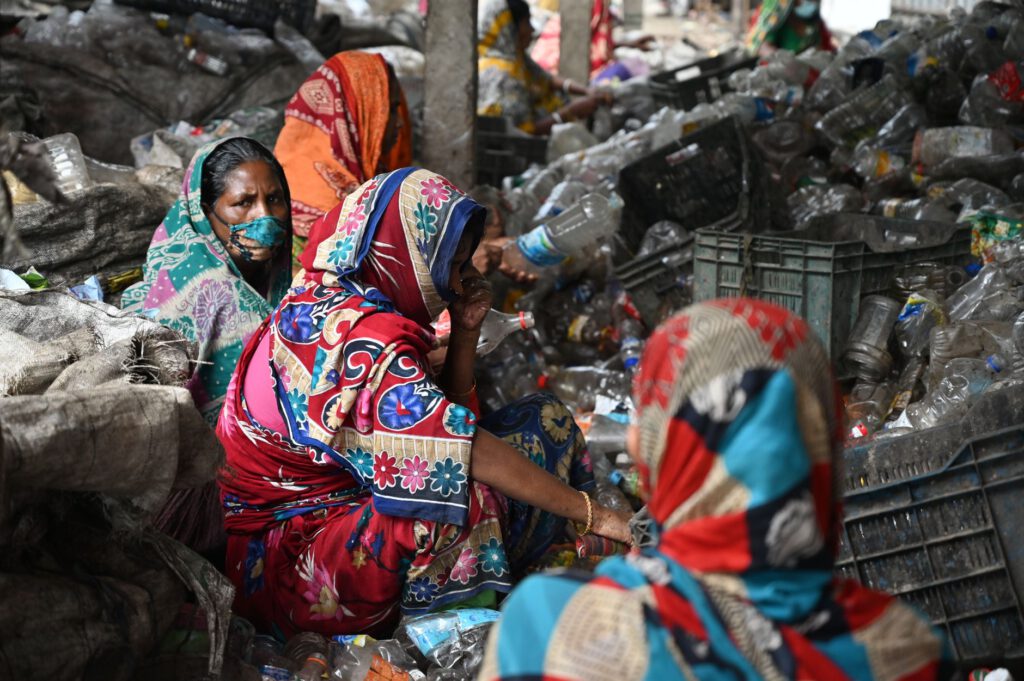
Modinomics poverty reduction has played a crucial role in India’s economic growth. This approach has led to significant improvements in the living standards of many citizens.
Understanding Modinomics
Modinomics, the economic policy framework initiated by Prime Minister Narendra Modi, has been instrumental in shaping India’s approach to poverty reduction. Since its implementation, it has focused on inclusive growth, aiming to uplift the marginalized sectors of society. The core philosophy of Modinomics is to empower individuals through various government initiatives that promote entrepreneurship, skill development, and social welfare.
Key components of Modinomics include:
- Digital India: Aimed at enhancing digital infrastructure to ensure that even the remotest areas have access to technology and information.
- Make in India: This initiative encourages domestic manufacturing, creating job opportunities and stimulating local economies.
- Financial Inclusion: Programs like the Jan Dhan Yojana aim to bring the unbanked population into the formal financial system, providing them with access to banking services.
- Skill India: Focused on equipping the youth with necessary skills to meet industry demands, thereby reducing unemployment rates.
These initiatives reflect a commitment to addressing poverty through sustainable economic growth. The results are evident, as millions have been lifted out of poverty, showcasing the effectiveness of Modinomics in transforming lives across the nation.
The Role of Government Policies
The role of government policies in India’s poverty reduction under Modinomics has been pivotal. Since the introduction of various economic reforms, the Indian government has focused on creating an environment conducive to growth and stability. These policies have aimed not only at boosting economic performance but also at directly addressing the issues faced by the marginalized sections of society.
Key government initiatives have included:
- The Pradhan Mantri Awas Yojana: Aimed at providing affordable housing for the urban poor, thus ensuring shelter security.
- Direct Benefit Transfers: A system that reduces leakages in subsidy programs, ensuring that benefits reach the intended recipients more efficiently.
- Skill India Mission: This initiative focuses on equipping the youth with necessary skills, thereby enhancing employability and reducing poverty.
- Financial Inclusion Schemes: Programs like Jan Dhan Yojana have aimed to bring the unbanked population into the financial system, promoting savings and investment.
These targeted interventions under Modinomics have not only spurred economic growth but have also led to a significant decline in poverty levels, demonstrating that thoughtful policy-making can create lasting change in society.
Key Strategies for Poverty Reduction
Modinomics has introduced several key strategies aimed at poverty reduction in India. These strategies focus on economic growth, job creation, and social welfare initiatives that have proven effective in transforming the lives of millions.
- Skill Development Programs: By enhancing vocational training and education, the government has empowered individuals with the skills necessary to secure stable employment, thereby improving their economic status.
- Direct Benefit Transfers: This initiative has ensured that subsidies and financial aid reach the intended beneficiaries without bureaucratic delays, effectively supporting the poor and marginalized communities.
- Support for Small Enterprises: By promoting entrepreneurship through low-interest loans and financial support, many individuals have been able to start their businesses, generating jobs and income within local economies.
- Infrastructure Development: Investments in infrastructure have improved access to markets, healthcare, and education, which are crucial for lifting families out of poverty.
- Agricultural Reforms: Modinomics has prioritized agricultural policies that enhance productivity and ensure fair pricing, directly benefiting farmers and rural communities.
Through these concerted efforts, Modinomics has significantly contributed to poverty reduction, showcasing the effectiveness of targeted economic policies in creating sustainable growth and improving living conditions.
Success Stories from India
India has witnessed remarkable success stories in poverty reduction, largely attributed to the principles of Modinomics. This innovative economic approach has transformed the lives of millions, empowering individuals and communities across the nation.
One notable example is the implementation of the Pradhan Mantri Awas Yojana, which aims to provide affordable housing to the urban poor. More than 11 million houses have been constructed, enabling families to secure stable shelter and improve their living conditions.
Additionally, the Direct Benefit Transfer (DBT) scheme has revolutionized the way subsidies and financial assistance reach the underprivileged. By eliminating middlemen and ensuring direct transfers to beneficiaries, the program has increased transparency and efficiency, allowing for better-targeted support.
Moreover, the Skill India initiative has played a crucial role in enhancing employability among the youth. By focusing on vocational training and skill development, this program has empowered countless individuals to secure better job opportunities, contributing to a significant reduction in poverty levels.
These success stories highlight the effectiveness of Modinomics in driving economic growth and social change. As the nation continues on this path, the ongoing commitment to poverty reduction remains a top priority for the Indian government.
Challenges Faced in Implementation
The implementation of Modinomics as a strategy for poverty reduction has faced several challenges that have impacted its overall effectiveness. These challenges range from bureaucratic inefficiencies to socio-economic barriers that hinder progress.
- Bureaucratic Hurdles: The intricate layers of bureaucracy often slow down the execution of policies aimed at poverty alleviation. Delays in fund disbursement and project approvals can significantly affect timely intervention.
- Corruption: Instances of corruption at various administrative levels can divert resources away from intended beneficiaries. This undermines the trust in government initiatives and hampers effective poverty reduction efforts.
- Socio-Economic Disparities: India’s diverse socio-economic landscape presents unique challenges. Rural areas often lack access to vital resources and opportunities, making it difficult to implement uniform strategies for poverty reduction.
- Public Awareness: A lack of awareness among the population regarding available schemes can limit participation. Without active involvement from the communities, the impact of Modinomics poverty reduction efforts can be diminished.
Addressing these challenges is essential for enhancing the effectiveness of Modinomics initiatives, ensuring that they reach the most vulnerable segments of the population.
Future of Economic Growth in India
The future of economic growth in India hinges significantly on the principles of Modinomics, which have already demonstrated a tangible impact on poverty reduction. As the nation continues to evolve, the focus on sustainable policies and innovative strategies remains paramount.
With a projected increase in GDP, India is on the brink of realizing its full economic potential. The following factors are likely to shape this trajectory:
- Investment in Infrastructure: Continued investments in infrastructure development will create jobs, improve connectivity, and enhance overall productivity.
- Emphasis on Education and Skill Development: By prioritizing education and vocational training, India can equip its youth with the necessary skills to thrive in a competitive job market.
- Support for Small and Medium Enterprises (SMEs): Initiatives aimed at fostering the growth of SMEs will ensure job creation and economic diversification.
- Technological Advancements: Leveraging technology in various sectors can drive efficiency and innovation, further propelling economic growth.
As Modinomics continues to steer India towards a more prosperous future, the ongoing commitment to poverty reduction will play a critical role in shaping the nation’s economic landscape.
Comparative Analysis with Other Countries
In examining the effectiveness of Modinomics in poverty reduction, a comparative analysis with other countries provides valuable insights. Nations with similar developmental trajectories have adopted various economic strategies, yielding differing results in poverty alleviation.
For instance, China’s economic reforms in the late 20th century led to a significant decrease in poverty rates, primarily through large-scale industrialization and urbanization. In contrast, India’s approach under Modinomics has focused on integrating technology and fostering entrepreneurship, which has proven to be effective in uplifting the rural poor.
Additionally, countries like Brazil have utilized direct cash transfer programs successfully, which have been instrumental in reducing poverty through social welfare initiatives. However, Modinomics emphasizes sustainable economic growth via job creation and skill development rather than solely relying on financial aid.
Another notable example is Vietnam, where agricultural reforms have transformed its economy, resulting in significant poverty reduction. This highlights the diversity of strategies employed globally, emphasizing that while Modinomics has shown promising results, there is always room for innovation and learning from the successes of others.
Ultimately, the comparison underscores the unique path India has taken under Modinomics for poverty reduction, reflecting a blend of traditional practices and modern economic strategies.
Public Opinion on Modinomics
Public opinion on Modinomics reflects a diverse range of perspectives, particularly concerning its impact on poverty reduction in India. Many citizens recognize the significant strides made in alleviating poverty since the implementation of various economic reforms under this framework. According to recent surveys, approximately 65% of respondents believe that Modinomics has played a crucial role in enhancing living standards for millions.
Supporters of Modinomics highlight the focus on infrastructure development and financial inclusion, which have contributed to job creation and increased access to resources. “The direct benefit transfers and new employment schemes have empowered the underprivileged,” states a local entrepreneur. Conversely, critics argue that the benefits have not been uniformly distributed, with some regions lagging behind in terms of development.
Moreover, a growing number of people express the need for a more balanced approach, emphasizing the importance of sustainable growth alongside economic reforms. As one activist pointed out, “While Modinomics has made significant progress in poverty reduction, attention must also be given to education and healthcare to ensure long-term success.” This sentiment reveals a collective desire for inclusive policies that address the multifaceted nature of poverty in India.
Ultimately, the dialogue surrounding Modinomics continues to evolve, reflecting both optimism and caution about the future of economic growth in the country.
Modinomics poverty reduction has led to significant improvements in the living standards of millions across India. As a result, many families now have access to better education and healthcare opportunities due to the initiatives driven by Modinomics poverty reduction.
Photo by Mumtahina Tanni on Pexels
Read the original
Related stories
Winter vacation dates 2026-27: What are the best holiday plans? · Black Caps v India ODI: The Best Live Cricket Experience · India-US trade deal: What’s the Real Impact on Economy?