Moon phase today: The Best Look at September 25, 2026
Moon phase today reveals what to expect on September 25, 2026. Discover the lunar beauty!
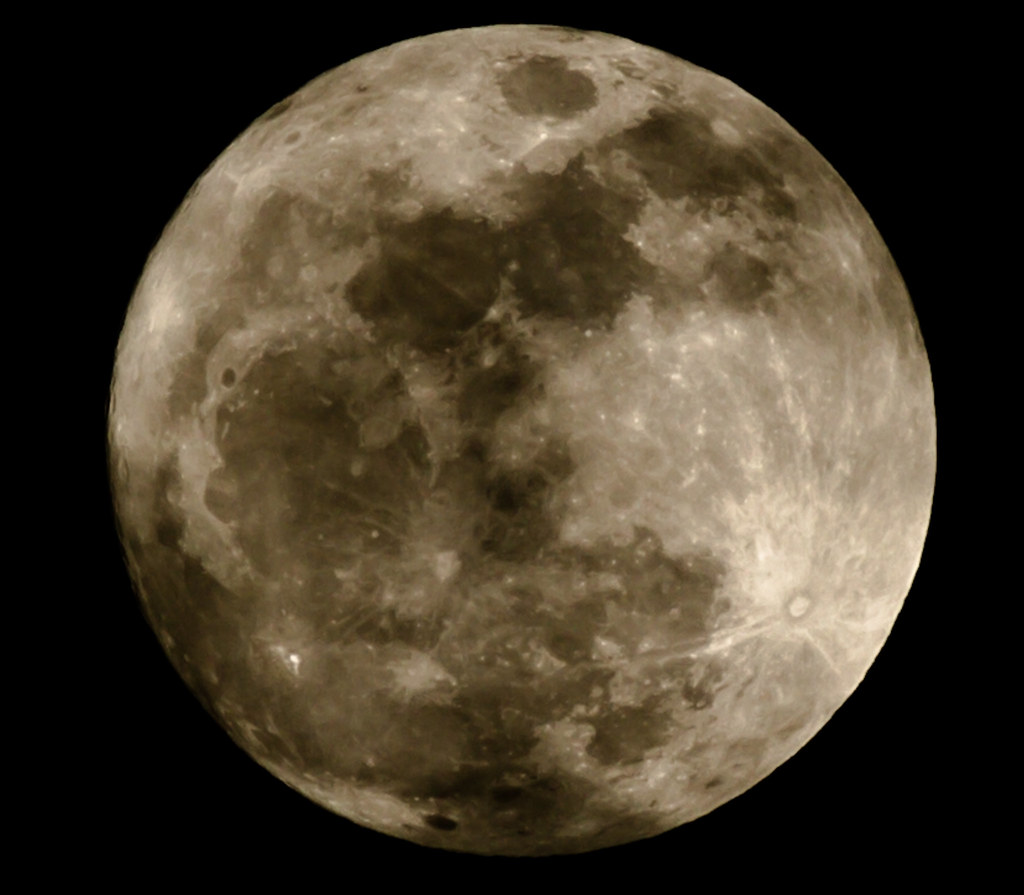
Moon phase today gives us a glimpse of what to expect on September 25, 2026. The moon will showcase a stunning visual that captivates stargazers and enthusiasts alike.
What is the moon phase today?
The moon phase today, September 25, 2026, offers a stunning view for sky gazers and astronomy enthusiasts alike. This evening, the moon will be in its waxing gibbous phase, where it appears more than half illuminated but not yet full. This phase is often characterized by its bright and prominent presence in the night sky.
During the waxing gibbous phase, the moon is gradually moving towards its full state, which is expected to occur in just a few days. Observers can expect the moon to rise in the early afternoon and set around midnight, providing ample opportunity for viewing.
For those interested in astronomy or simply enjoying the beauty of the night sky, here are some tips to enhance your lunar observation:
- Find a dark location: Minimize light pollution for the best view.
- Use binoculars or a telescope: These tools can enhance details on the moon’s surface.
- Take notes: Document your observations to track changes over time.
Whether you are an experienced stargazer or a casual observer, the moon phase today is sure to inspire awe and wonder.
Understanding lunar phases
The moon goes through a series of phases each month, a phenomenon that results from its orbit around the Earth and the sunlight reflecting off its surface. Understanding these lunar phases is essential for stargazers, photographers, and anyone interested in the natural world. The different phases of the moon include:
- New Moon: The moon is positioned between the Earth and the Sun, making it invisible to the naked eye.
- Waxing Crescent: A sliver of the moon becomes visible as it begins to grow in illumination.
- First Quarter: Half of the moon is illuminated and appears as a semicircle.
- Waxing Gibbous: More than half of the moon is illuminated, leading up to a full moon.
- Full Moon: The entire face of the moon is illuminated, creating a bright and stunning sight.
- Waning Gibbous: The moon begins to decrease in illumination after the full phase.
- Last Quarter: Similar to the first quarter, half of the moon is again visible but on the opposite side.
- Waning Crescent: The moon’s illumination continues to decline until it returns to the new moon phase.
As we look forward to the moon phase today, it’s fascinating to witness these changes, particularly on significant dates such as September 25, 2026.
How to observe the moon tonight
Observing the moon tonight can be a breathtaking experience, especially during significant lunar phases. As you prepare to gaze at the sky, consider these tips for the best viewing experience of the moon phase today.
- Choose the Right Time: The moon is often most visible shortly after sunset or just before dawn. Check local sunset times to plan your observation.
- Find a Dark Spot: Light pollution can hinder your view. Seek out parks or areas away from city lights for a clearer sight of the moon.
- Use Binoculars or a Telescope: While the moon is visible to the naked eye, using binoculars or a telescope can enhance the details of its surface, making craters and maria more discernible.
- Check the Weather: Cloud cover can obstruct your view. Ensure you have clear skies by checking the local weather forecast before heading out.
Whether you’re an amateur astronomer or simply enjoying a night under the stars, observing the moon phase today can fill you with wonder and inspire you to learn more about our celestial neighbor.
Best times for moon gazing
For enthusiasts eager to explore the night sky, knowing the best times for moon gazing can enhance the experience significantly. On September 25, 2026, the moon phase today will be a stunning sight, offering a unique opportunity for both amateur and seasoned astronomers.
Here are some ideal times to catch a glimpse of the moon:
- Just after sunset: The moon will be rising in the eastern sky, providing a breathtaking view as it contrasts against the twilight hues.
- Midnight: At this hour, the moon is generally at its highest point in the sky, allowing for optimal visibility and clarity.
- Pre-dawn hours: As the night winds down, the moon can still be seen shining brightly, often accompanied by a clear starry backdrop.
To make the most of your moon gazing experience, consider using a telescope or binoculars. These tools can enhance the view, revealing craters and features that are not visible to the naked eye. Mark your calendars for September 25, 2026, and prepare for an unforgettable night under the stars, as the moon phase today promises to be truly spectacular.
Significance of moon phases
The significance of moon phases extends beyond mere aesthetics; they play a vital role in various cultural, agricultural, and astronomical contexts. The moon phase today influences not only the night sky’s appearance but also numerous aspects of life on Earth.
Cultural Significance: Many cultures have revered the moon, associating its phases with festivals, rituals, and calendars. For instance, the new moon is often seen as a time for new beginnings, while the full moon is celebrated for its beauty and brightness.
Agricultural Impact: Farmers have long relied on lunar phases to guide their planting and harvesting schedules. The belief is that certain phases encourage better crop yields, making the moon phase today an important factor in agricultural communities worldwide.
Astronomical Importance: Moon phases are crucial for astronomers and stargazers. They dictate when the night sky is most conducive for viewing celestial events. Understanding the moon phase today can enhance the experience of observing stars, planets, and meteor showers.
As we look forward to September 25, 2026, recognizing the significance of the moon phases helps deepen our appreciation of this celestial body and its influence on Earth.
Tips for photographing the moon
Capturing the beauty of the moon can be a rewarding experience, especially on a night like September 25, 2026, when the moon phase today offers a stunning view. Here are some tips to help you photograph the moon effectively:
- Use a tripod: A stable platform is essential for sharp images, particularly in low-light conditions.
- Choose the right lens: A telephoto lens will allow you to zoom in and capture the intricate details of the moon’s surface.
- Adjust your settings: Use a low ISO setting to reduce noise and a fast shutter speed to avoid motion blur. Start with ISO 100 and a shutter speed of 1/125 seconds.
- Experiment with exposure: The moon can be much brighter than you might expect, so consider underexposing your shots by 1-2 stops to retain details.
- Utilize a remote shutter release: This prevents any camera shake that can occur when you press the shutter button.
- Plan ahead: Check the moon phase today and time your photography session when the moon is at its highest point in the sky for optimal visibility.
By following these tips, you can create stunning images that capture the essence of the moon on this memorable night.
Upcoming lunar events
As we look ahead to the celestial events of the coming months, several upcoming lunar events promise to offer breathtaking views and unique opportunities for enthusiasts and casual observers alike. Mark your calendars for these significant dates:
- October 5, 2026: The Full Moon will illuminate the night sky, providing a perfect chance for moon gazing and photography.
- October 12, 2026: A Penumbral Lunar Eclipse will occur, allowing observers to witness a subtle shading on the moon’s surface.
- October 19, 2026: The Last Quarter Moon will provide a stunning backdrop for late-night viewing.
- October 26, 2026: The New Moon phase marks a dark sky, ideal for stargazing and spotting fainter celestial objects.
These events not only enhance our understanding of the moon phase today but also provide a wonderful opportunity to appreciate the beauty of our natural satellite. Whether you’re an amateur astronomer or simply someone who enjoys a clear night sky, these dates are worth noting for an unforgettable experience.
By Imahinasyon Photography via Openverse