Lava planet discovery: Is it the worst astronomical surprise?
Lava planet discovery challenges astronomers’ expectations and understanding of planetary formation and composition.
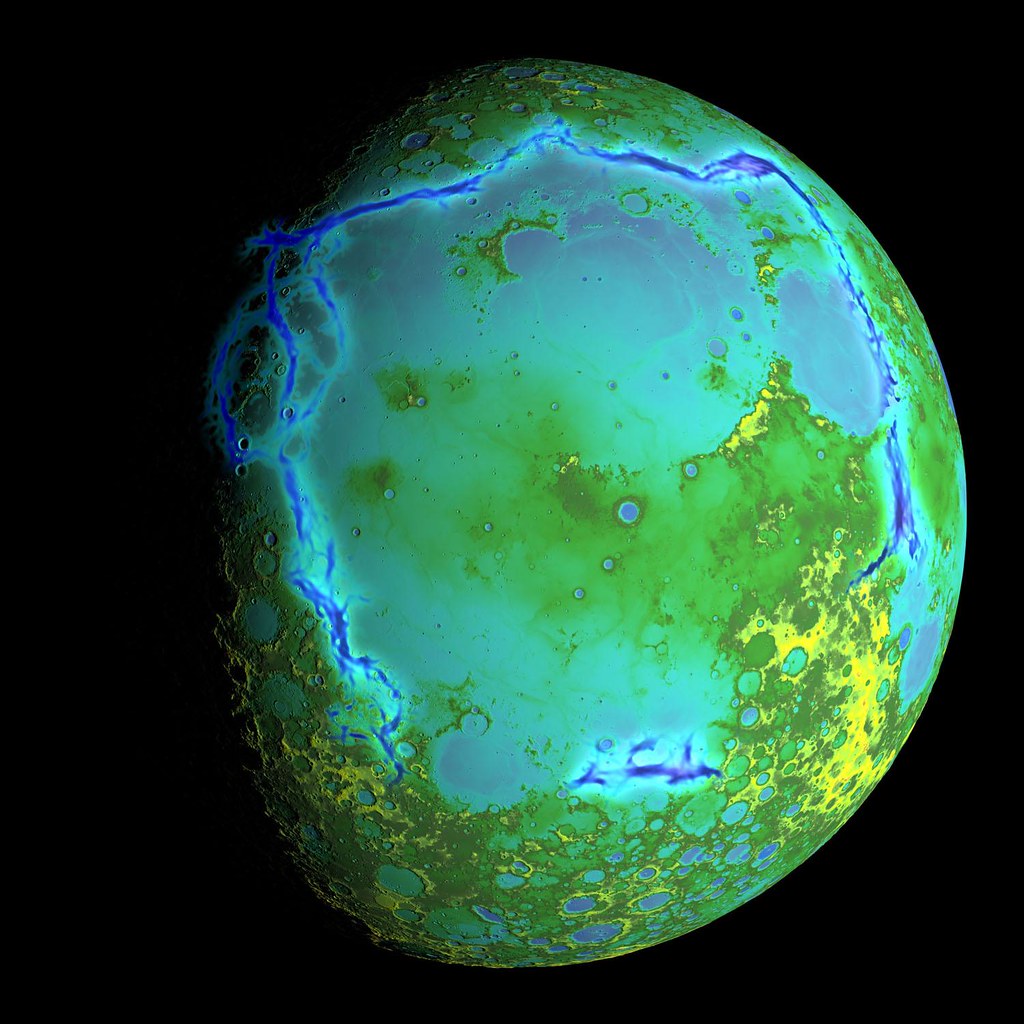
Lava planet discovery has challenged astronomers’ expectations about planetary characteristics and formation. This unexpected finding raises questions about our understanding of the universe.
What is the lava planet discovery?
The recent lava planet discovery has taken the astronomical community by storm, challenging long-held beliefs about planetary formation and characteristics. Astronomers have identified a new exoplanet that is entirely covered in molten lava, a finding that raises questions about the conditions necessary for life and the variety of planetary environments in the universe.
This lava planet, located in a distant solar system, presents a striking contrast to Earth-like planets. Its surface temperature is so high that rocks melt, creating a fiery landscape that glows brightly. The discovery has prompted scientists to reconsider the potential for habitability in extreme environments.
Key aspects of this discovery include:
- The planet’s proximity to its host star, resulting in intense heat.
- The unusual atmospheric conditions that may exist above the molten surface.
- The implications for future studies of exoplanets and their atmospheres.
As researchers continue to analyze this lava planet, the findings could reshape our understanding of planetary diversity and formation.
How does this challenge astronomers?
The recent lava planet discovery has sent shockwaves through the astronomical community, prompting a reevaluation of existing theories about planet formation and composition. This unexpected find challenges long-held assumptions and raises several questions among scientists.
Firstly, the characteristics of such a planet defy typical models used to predict the formation of terrestrial planets. The extreme temperatures and molten surface conditions suggest a violent history that may not align with previous understandings of planetary development.
Moreover, the discovery forces astronomers to reconsider:
- Habitability: Can any form of life exist in such hostile environments?
- Planetary formation: What processes lead to the creation of a lava planet, and how common are they in the universe?
- Atmospheric conditions: How does a molten surface affect any potential atmosphere?
Ultimately, the lava planet discovery presents not only an astronomical surprise but also a substantial challenge that may reshape our understanding of planetary science for years to come.
Implications for planetary science
The recent lava planet discovery has significant implications for planetary science, prompting researchers to reevaluate existing models of planetary formation and evolution. This unexpected finding raises several questions about the processes that govern the development of rocky planets in the universe.
One major implication is the potential for new classifications of exoplanets. The characteristics of lava planets challenge the traditional definitions of habitable zones, as their extreme temperatures and conditions may lead to unique atmospheric compositions that differ from those found on Earth-like planets.
In addition, the lava planet discovery suggests that planetary systems may be more diverse than previously thought. This diversity could imply a wider range of planetary environments, influencing the search for extraterrestrial life.
Researchers may need to reconsider the criteria for planet habitability, as well as the methods used to detect and study these extreme worlds. As scientists continue to investigate the implications of this discovery, the field of planetary science may undergo a significant transformation.
Previous expectations about planets
In the pursuit of understanding the universe, astronomers have long held certain expectations about the nature of planets. Traditionally, they classified planets based on their distance from their stars, composition, and potential for supporting life. Most theories suggested that planets orbiting too close to their stars would be inhospitable, primarily due to extreme heat and radiation.
However, the recent lava planet discovery has upended these long-standing beliefs. This unexpected finding has led scientists to rethink the categorization of exoplanets, especially those in the so-called “hot Jupiter” category. Prior models did not account for the possibility of planets being entirely molten or exhibiting surface conditions akin to a volcanic landscape.
As researchers delve deeper into the implications of this discovery, they are left to ponder several questions:
- What does this mean for the search for habitable worlds?
- How should we redefine our understanding of planetary formation?
- What other surprises might lie in wait within the cosmos?
The lava planet discovery challenges not only our expectations but also the very foundations of planetary science.
The role of extreme environments
The discovery of a lava planet has brought to light the significant role of extreme environments in shaping our understanding of celestial bodies. These environments challenge existing theories and compel astronomers to reevaluate the conditions necessary for planet formation and evolution.
In the case of the lava planet, its intense heat and molten surface present a stark contrast to the familiar characteristics of Earth-like planets. Such extreme conditions could render traditional models of habitability obsolete, prompting researchers to investigate how life might arise in seemingly inhospitable settings.
Furthermore, the lava planet discovery raises questions about the diversity of planetary systems. It suggests that planets can exist in states previously thought impossible, expanding the boundaries of our knowledge. As scientists explore these extreme environments, they may uncover new insights into planetary dynamics and the potential for life beyond our solar system.
In summary, the lava planet serves as a reminder that the universe is full of surprises, urging us to embrace the unknown as we delve deeper into the mysteries of astronomy.
Future research directions
Future research directions following the lava planet discovery are crucial for expanding our understanding of planetary formation and evolution. Astronomers are now focusing on several key areas of investigation:
- Characterization of exoplanet atmospheres: Researchers aim to analyze the chemical composition and physical properties of lava planets to better understand their atmospheres and potential for hosting life.
- Comparative studies: By comparing lava planets with other types of exoplanets, scientists can identify what factors contribute to their extreme environments and how they differ from rocky or gas giants.
- Modeling planetary formation: Improved models are necessary to explain how such extreme planets form and exist within the habitable zones of their stars, challenging previous assumptions about planetary systems.
- Observational techniques: Advancements in telescope technology will allow for more precise measurements of lava planets, helping to refine our understanding of their surface conditions and geology.
These research directions not only promise to illuminate the mysteries of lava planets but also enhance our overall knowledge of the cosmos.
Expert opinions on the findings
Experts in the field of astrophysics have expressed a range of opinions regarding the recent lava planet discovery and its implications for our understanding of exoplanets. Dr. Emily Carter, a planetary scientist, noted, “This finding challenges the traditional classifications of planets. We never expected to find such extreme environments so close to what we considered habitable zones.”
Meanwhile, Dr. Raj Patel emphasized the importance of this discovery, stating, “Lava planets could redefine how we search for life beyond Earth. They push the boundaries of what we consider possible.” Others, however, are more cautious. Dr. Lisa Nguyen remarked, “While the lava planet discovery is fascinating, it raises concerns about our current models. We need to revise our theories to incorporate these findings.”
As researchers digest the implications of this unprecedented discovery, they agree on one point: the lava planet discovery is a reminder of the universe’s complexity and the need for continuous exploration.
In the coming years, further studies will be essential to unravel the mysteries surrounding these fiery worlds.
Conclusion and significance of the discovery
The recent lava planet discovery has sent ripples through the scientific community, raising questions about our understanding of planetary formation and evolution. As astronomers analyze the implications of this finding, it becomes clear that our expectations about what constitutes a habitable environment are being tested. This discovery challenges long-held beliefs about the conditions necessary for life and the diversity of planetary systems.
As researchers delve deeper into the characteristics of lava planets, they are likely to uncover new insights into the mechanics of extreme environments. The significance of this discovery extends beyond just the lava planet itself; it could reshape our approach to exoplanet studies and redefine the criteria used to assess planetary habitability.
- Challenging assumptions: The lava planet discovery forces scientists to rethink the conditions that lead to planet formation.
- Broader implications: This finding may lead to advancements in our understanding of extreme weather patterns on other planets.
- Encouraging future research: The quest for knowledge will continue as astronomers seek to understand the full scope of these extraordinary worlds.
By NASA Goddard Photo and Video via Openverse
References
You might also like
Cyclone Arnab News: What Is the Real Impact on Odisha? · Quantum interference traps electrons: Proven discovery explained · UPSC current affairs: Best Proven Insights for October 2026