Mars Cloud Formation: The Best Proven Process Explained
Mars cloud formation reveals a unique ice-building process on the Red Planet.
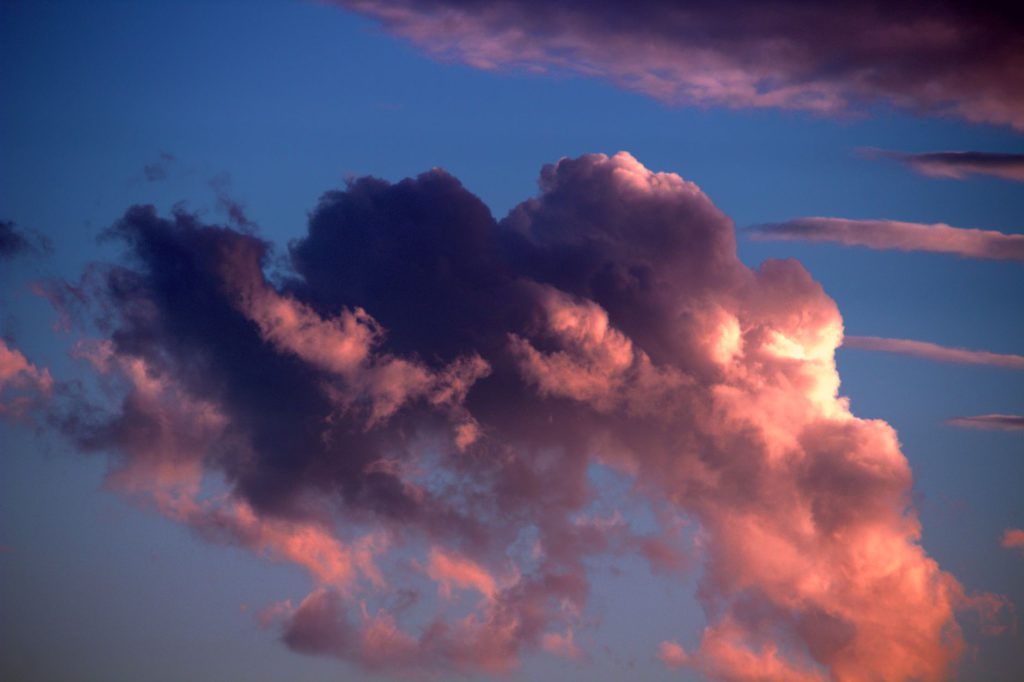
Mars cloud formation has been discovered through an unusual ice-building process that intrigues scientists. This finding sheds light on the atmospheric phenomena occurring on Mars and offers exciting insights into its climate.
Understanding Mars’s Atmosphere
The atmosphere of Mars is thin and composed mostly of carbon dioxide, with traces of nitrogen and argon. Despite its tenuous nature, it plays a crucial role in the formation of clouds. Recent studies have indicated that the process of Mars cloud formation is unlike any seen on Earth, characterized by unusual ice-building mechanisms.
One key factor in understanding this phenomenon is the planet’s temperature variations, which can lead to the condensation of water vapor into ice crystals. These ice crystals can then aggregate to form clouds. Scientists have identified two primary types of clouds on Mars:
- Water ice clouds: These are formed from the condensation of water vapor at high altitudes, often appearing as thin, wispy formations.
- CO2 ice clouds: Composed of frozen carbon dioxide, these clouds are more prevalent during the colder seasons of the Martian year.
Additionally, the presence of dust in the Martian atmosphere can influence cloud formation by acting as nuclei around which water ice can accumulate. This interaction may explain some of the odd cloud forms observed by spacecraft and rovers, shedding light on the complex climatic dynamics of the Red Planet.
The Science Behind Cloud Formation
The formation of clouds on Mars is a complex process that scientists are just beginning to understand. Unlike Earth, where cloud formation is primarily driven by water vapor, Mars clouds consist mainly of carbon dioxide ice. This unique composition leads to the creation of distinct cloud types, significantly influenced by the planet’s atmospheric conditions.
Recent studies have highlighted a fascinating aspect of the Mars cloud formation process. Through advanced imaging techniques, researchers discovered that these clouds can form under unusual circumstances, often linked to local weather patterns. The presence of dust storms plays a crucial role, as they can lift water vapor into the atmosphere, where it can subsequently freeze and contribute to cloud formation.
Key factors affecting Mars cloud formation include:
- Temperature variations: The Martian atmosphere experiences drastic temperature changes, which can lead to ice crystal development.
- Topographical influences: Mountains and valleys can impact airflow, leading to varying cloud densities and formations.
- Seasonal changes: The tilt of Mars’s axis results in different seasonal patterns that affect cloud distribution.
As scientists continue to explore these phenomena, the insights gained could enhance our understanding of planetary atmospheres beyond Earth, potentially revealing more about the dynamics of cloud formation on other celestial bodies.
Unique Ice-Building Processes
Recent research has unveiled intriguing insights into the unique ice-building processes contributing to the formation of clouds on Mars. Observations indicate that these processes are unlike those found on Earth, leading to the development of distinct cloud formations in the Martian atmosphere.
One of the primary mechanisms involves the interaction between water vapor and carbon dioxide ice. As temperatures fluctuate on Mars, water vapor can condense around tiny particles, forming ice crystals that cluster together. This process not only contributes to cloud formation but also affects the planet’s weather patterns.
Scientists have identified several key factors that influence these unique ice-building processes:
- Temperature Variability: The extreme temperature changes on Mars create conditions conducive to ice formation, particularly in the polar regions.
- Atmospheric Composition: The presence of carbon dioxide and other gases plays a critical role in shaping how water vapor behaves.
- Surface Features: Mars’s rugged terrain can enhance updrafts, aiding in the formation and sustenance of clouds.
This understanding of Mars cloud formation adds a new layer to our knowledge of the planet’s climate and atmospheric dynamics, revealing a complex interplay of factors that govern its weather systems.
Implications for Future Mars Missions
The recent discovery of unique cloud formation on Mars opens up exciting possibilities for future missions to the Red Planet. As scientists delve deeper into understanding the Mars cloud formation process, several implications arise that could enhance our exploration efforts.
First, the identification of these unusual clouds suggests that Mars may have a more complex weather system than previously thought. This insight could lead to improved models for predicting weather patterns on Mars, which is crucial for the planning of lander and rover missions. Accurate weather forecasts will help ensure the safety and success of these exploratory endeavors.
Additionally, understanding the ice-building processes that contribute to cloud formation could inform future efforts in utilizing Martian resources. The presence of ice clouds may indicate accessible water sources, which can be vital for sustaining human life and conducting scientific research on Mars.
Finally, the discovery may inspire new technologies for atmospheric studies, allowing missions to gather more detailed data on cloud dynamics and their implications for Martian climate. As we continue to unravel the mysteries of Mars’s atmosphere, these advancements could pave the way for permanent human settlements and deeper exploration of the planet.
- Improved weather prediction models.
- Potential water resource utilization.
- Advancements in atmospheric study technologies.
Comparing Earth and Mars Clouds
Cloud formation on Mars exhibits stark differences when compared to Earth, primarily due to the distinct atmospheric conditions and temperature variations present on the two planets. While Earth’s clouds are predominantly composed of water vapor, Mars cloud formation involves unique processes that allow for the creation of ice clouds, particularly in its thin atmosphere.
One key difference lies in the composition of the clouds. On Earth, clouds are formed from condensed water droplets, while Martian clouds consist mainly of carbon dioxide ice crystals, resulting in a different appearance and structure.
Additionally, the temperature on Mars is significantly colder than on Earth, often reaching as low as -125 degrees Celsius during the winter months. This extreme cold promotes the formation of frost and ice clouds, which are less common on Earth.
The altitude at which clouds form also varies. Martian clouds can appear at much higher altitudes than those on Earth, sometimes reaching up to 80 kilometers above the surface. This elevation plays a crucial role in the unique ice-building processes that scientists are now beginning to understand.
Ultimately, these differences in cloud formation have implications for future Mars missions, potentially revealing more about the planet’s climate and weather patterns.
Recent Discoveries in Space Science
Recent discoveries in space science have shed light on the fascinating phenomena surrounding Mars cloud formation. In a groundbreaking study, scientists have identified unusual cloud structures high above the Martian surface, revealing insights into the planet’s atmospheric dynamics. These odd cloud forms are primarily composed of ice crystals, which are formed through a unique ice-building process that has captured the attention of researchers.
One of the most intriguing findings is the observation of these clouds at different altitudes, demonstrating the complex layering of Martian weather patterns. This stratification is not typically seen on Earth, where clouds tend to form in more uniform layers. Scientists believe that these differences may be tied to the planet’s thin atmosphere and varying temperatures.
The discoveries have prompted a reevaluation of how we understand the Martian climate. With advanced imaging technologies, researchers can now analyze these clouds in greater detail, revealing their composition and the conditions under which they form. This knowledge is crucial for future Mars missions, as understanding the weather patterns can assist in planning landing sites and exploring potential resources.
As the exploration of Mars continues, the study of its cloud formation processes will remain a key area of interest, providing valuable information about the planet’s past and its potential for future habitability.
What This Means for Astrobiology
The recent discoveries regarding Mars cloud formation have significant implications for the field of astrobiology. Understanding how clouds form on Mars not only sheds light on the planet’s atmospheric conditions but also enhances our comprehension of potential habitats for microbial life.
Scientists suggest that the unique ice-building processes observed in Mars’s clouds may indicate the presence of water vapor and other essential compounds necessary for life. This discovery raises intriguing questions about the planet’s past, as it could point to periods when conditions were more favorable for biological activity.
Moreover, analyzing the structure and composition of these clouds can help researchers identify the chemical signatures of life. The ability to detect organic molecules in the Martian atmosphere, especially in relation to cloud formation, could guide future astrobiological missions aimed at searching for signs of past or present life.
- Clouds as potential indicators of water sources
- Implications for habitability in ancient Mars
- Guiding future missions focused on astrobiological research
In conclusion, the insights gained from studying Mars cloud formation not only enrich our understanding of the planet’s climate system but also inspire hopes of discovering life beyond Earth.
The study of Mars cloud formation has revealed fascinating insights into the planet’s atmospheric dynamics. Understanding the mechanisms behind Mars cloud formation is essential for future exploration and potential colonization efforts.
Photo by Landiva Weber on Pexels