
Energy Intelligence Smart Homes: The Best Proven Solutions
Energy intelligence smart homes are transforming how we manage energy use effectively.
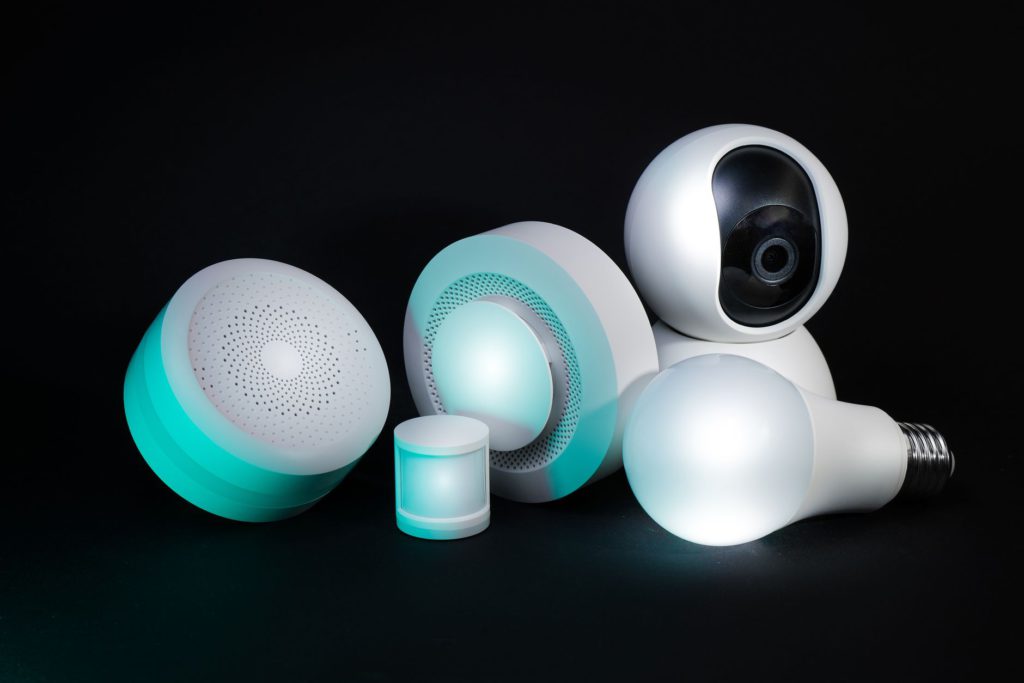
Energy intelligence smart homes are becoming increasingly popular as technology advances. Schneider and Apple are at the forefront of this transformation, offering innovative solutions for efficient energy management.
What is Energy Intelligence?
Energy intelligence refers to the ability of smart homes to monitor, analyze, and optimize energy consumption. This innovative approach utilizes advanced technologies to create efficient living environments that can significantly reduce energy waste.
The integration of energy intelligence in smart homes allows homeowners to take control of their energy usage in real-time. By leveraging data from various devices, users can make informed decisions about when and how to use energy, ultimately leading to cost savings and a smaller carbon footprint.
Key components of energy intelligence include:
- Smart Meters: These devices track energy consumption patterns and provide insights through user-friendly interfaces.
- Automated Systems: Smart thermostats and lighting systems adjust settings based on occupancy and preferences.
- Data Analytics: Advanced algorithms analyze energy usage trends, offering recommendations for optimization.
With partnerships like that of Schneider and Apple, the future of energy intelligence in smart homes looks promising, paving the way for more sustainable living.
How Schneider and Apple Collaborate
In a groundbreaking collaboration, Schneider Electric and Apple are redefining the concept of energy intelligence in smart homes. By integrating Schneider’s energy management solutions with Apple’s HomeKit, the two companies aim to create an ecosystem that not only enhances convenience but also promotes energy efficiency.
This partnership allows homeowners to monitor and control their energy consumption seamlessly. Users can leverage Apple’s intuitive interface to manage their devices, while Schneider’s technology ensures that energy usage is optimized. The result is a user-friendly platform that empowers individuals to make informed decisions about their energy habits.
Key features of this collaboration include:
- Real-time energy monitoring that provides insights into consumption patterns.
- Smart scheduling options that automatically adjust energy use based on user preferences.
- Remote access to energy management tools via Apple devices.
This innovative synergy exemplifies how energy intelligence can transform smart homes into more sustainable living spaces.
Benefits of Smart Home Technology
The integration of smart home technology offers numerous benefits that enhance both convenience and energy efficiency. By leveraging energy intelligence, smart homes can optimize energy consumption and reduce waste.
Some key benefits include:
- Cost Savings: Smart home devices can monitor energy usage, allowing homeowners to identify high-consumption appliances and make informed decisions to reduce their bills.
- Enhanced Comfort: Automated systems can adjust heating, cooling, and lighting based on personal preferences and occupancy, ensuring a comfortable living environment.
- Environmental Impact: By minimizing energy waste, smart homes contribute to a lower carbon footprint, promoting sustainability and environmental responsibility.
- Remote Access: Homeowners can control their smart devices from anywhere, offering convenience and peace of mind, especially when away from home.
- Increased Home Value: Energy intelligence smart homes can attract buyers, as they are viewed as modern and efficient, potentially increasing property value.
Ultimately, these advantages make energy intelligence an appealing choice for homeowners looking to enhance their living spaces.
The Future of Energy Management
The future of energy management lies in the integration of energy intelligence smart homes, a concept that promises to revolutionize how we consume and conserve energy. As technology continues to advance, these smart homes will become increasingly capable of optimizing energy usage based on real-time data and user preferences. This evolution is driven by the need for sustainable living and the desire to reduce energy costs.
Innovative solutions are being developed that allow homeowners to monitor their energy consumption and adjust their usage accordingly. These systems can learn from residents’ habits, providing personalized recommendations that enhance energy efficiency. Key features of energy intelligence smart homes include:
- Automated energy management: Smart devices that automatically adjust settings to save energy.
- Data analytics: Insights into energy consumption patterns to help users make informed decisions.
- Integration with renewable energy sources: Systems that seamlessly incorporate solar panels and battery storage.
As collaboration between tech giants like Schneider and Apple continues, the potential for energy intelligence smart homes will only grow, paving the way for a more sustainable future.
User Experiences with New Solutions
As energy intelligence becomes a key feature in modern smart homes, user experiences highlight the transformative impact of these solutions. Many homeowners report significant savings on their energy bills after integrating smart technology into their daily routines.
One user shared, “Since installing the energy intelligence system, I’ve seen my energy consumption drop by 30%!” This shift is attributed to real-time monitoring and adjustments made by smart devices, which optimize energy use based on individual habits.
Another homeowner noted, “The automation of my heating and cooling systems has made a noticeable difference in comfort and efficiency.” Users appreciate the convenience of controlling their home environment remotely, allowing for tailored settings that enhance both comfort and energy savings.
Moreover, many individuals find the integration of these solutions with existing smart devices seamless. The collaboration between companies like Schneider and Apple has resulted in intuitive interfaces that make energy intelligence accessible to everyone.
Overall, user experiences underscore the potential of energy intelligence smart homes to revolutionize how we manage energy consumption.
Challenges in Smart Home Integration
As the concept of energy intelligence smart homes continues to evolve, several challenges hinder seamless integration. These obstacles can impact user experience and overall effectiveness in energy management.
- Interoperability: Many smart devices operate on different protocols, making it difficult for users to connect all their devices efficiently. This lack of standardization can lead to compatibility issues.
- Security Concerns: With increased connectivity comes the risk of cyber threats. Users must ensure their smart home systems are secure to protect personal data and devices from potential breaches.
- Complexity of Use: While technology aims to simplify daily life, some smart home systems can be overly complicated. Users may find it challenging to navigate various apps and settings, leading to frustration.
- Cost Barrier: The initial investment for building a smart home can be significant. Although long-term savings on energy bills may offset this, not all consumers are ready to make that leap.
Addressing these challenges is crucial for the widespread adoption of energy intelligence smart homes.
Conclusion: Embracing Energy Intelligence
As the integration of technology in our daily lives continues to grow, embracing energy intelligence smart homes emerges as a pivotal step towards a sustainable future. By harnessing advanced analytics and real-time data, homeowners can make informed decisions that significantly reduce energy consumption and costs.
Both Schneider and Apple have demonstrated how effective collaboration can lead to innovative solutions that enhance user experience while promoting energy efficiency. As we have explored, the benefits of smart home technology extend beyond convenience, offering substantial environmental impacts.
However, challenges in smart home integration remain, including compatibility and security concerns. To fully realize the potential of energy intelligence, it is crucial for consumers to stay informed and proactive in adopting these technologies.
In conclusion, by embracing energy intelligence smart homes, individuals not only improve their living environments but also contribute to a more sustainable and energy-efficient future. The journey may have its hurdles, but the rewards are undeniable and essential for the well-being of our planet.
Energy intelligence smart homes utilize advanced technology to optimize energy consumption and reduce costs. By integrating smart devices, these energy intelligence smart homes provide homeowners with real-time insights into their energy usage patterns.
Photo by Jakub Zerdzicki on Pexels
