
OpenAI lawsuit against ChatGPT raises serious concerns
OpenAI lawsuit against ChatGPT highlights claims of harm to children.
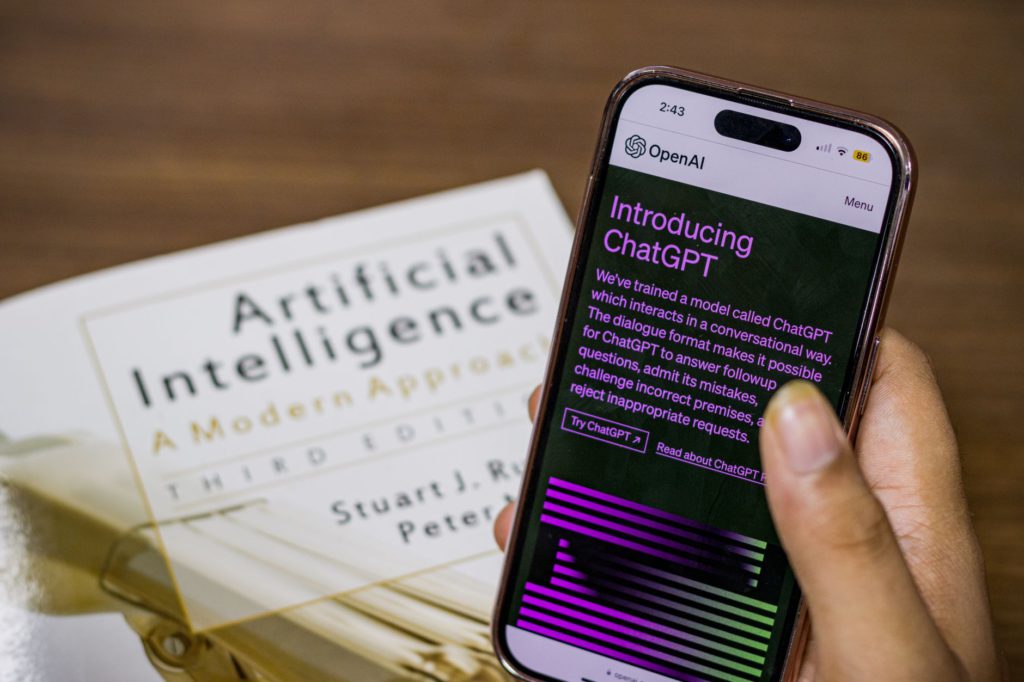
OpenAI lawsuit against ChatGPT has emerged as eight US states file claims alleging that the AI harms children. This legal action raises significant questions about the safety of AI technologies.
Overview of the OpenAI lawsuit
The recent OpenAI lawsuit against ChatGPT has garnered significant attention as eight US states come together to file a suit against the company. The states argue that ChatGPT poses risks to children, citing concerns related to misinformation and inappropriate content. This legal action highlights the growing scrutiny over the implications of artificial intelligence technologies in educational and social contexts.
According to the lawsuit, the states assert that OpenAI has a responsibility to ensure that its products do not harm young users. They claim that ChatGPT can inadvertently expose children to harmful material, which raises ethical questions about the deployment of AI in sensitive environments.
As the case unfolds, it may set important precedents regarding the accountability of AI developers and the regulation of technologies that engage with vulnerable populations.
Claims made by the states
The recent OpenAI lawsuit against ChatGPT has brought to light several alarming claims made by various states. According to the lawsuit, the states argue that the AI model poses significant risks to children, potentially exposing them to harmful content and misinformation. The following points outline the main concerns raised:
- Exposure to Inappropriate Content: Critics assert that ChatGPT can generate responses that may not be suitable for younger audiences, leading to potential psychological harm.
- Misinformation Dissemination: The states claim that ChatGPT has the capacity to spread false information, which could mislead children and impact their understanding of important topics.
- Lack of Regulation: There are worries about the absence of adequate safeguards in place to protect minors from potential dangers associated with AI interactions.
These claims spotlight the urgent need for regulation in the rapidly evolving landscape of AI technology.
Impact on children
The recent OpenAI lawsuit against ChatGPT has sparked significant debate regarding its potential impact on children. Parents and educators express concern that the AI model may inadvertently expose young users to inappropriate content or misinformation. As children increasingly interact with technology, the responsibility of ensuring a safe online environment becomes paramount.
According to the lawsuit, the states argue that ChatGPT’s responses can be harmful, raising questions about the adequacy of current content moderation practices. The implications extend beyond immediate interactions; they pose long-term effects on children’s development and understanding of critical thinking.
Stakeholders are advocating for more stringent regulations and guidelines to protect minors. Some key points of concern include:
- The potential for inappropriate content exposure.
- Misinformation that could mislead young users.
- The need for better oversight of AI interactions.
As the litigation unfolds, the dialogue surrounding children’s safety in the digital age continues to grow.
Response from OpenAI
In response to the growing concerns raised by the OpenAI lawsuit against ChatGPT, the company issued a statement emphasizing its commitment to safety and ethical AI development. OpenAI acknowledged the challenges associated with deploying advanced AI technologies and expressed its dedication to continuous improvement.
According to OpenAI, they are actively working on implementing safety measures and refining their models to better protect users, particularly vulnerable populations such as children. The company highlighted several initiatives aimed at fostering responsible AI use, including:
- Regular updates: Ensuring the model is continuously improved based on user feedback and research findings.
- Partnerships: Collaborating with educational institutions and child safety organizations to enhance protective features.
- Transparency: Committing to clear communication about the capabilities and limitations of ChatGPT.
OpenAI remains optimistic about addressing the concerns raised in the lawsuit while advocating for innovation in AI technology.
Legal implications of AI
The ongoing OpenAI lawsuit against ChatGPT brings to light several legal implications surrounding artificial intelligence technologies. As states argue that the AI model poses risks to children, the case raises questions about responsibility and accountability in the tech industry.
Key legal issues include:
- Liability: Determining who is responsible when AI systems cause harm or disseminate harmful information.
- Regulation: The need for updated guidelines to govern the development and deployment of AI technologies.
- Privacy: Safeguarding user data, especially for vulnerable populations like children.
- Intellectual Property: Addressing concerns over content generated by AI that may infringe on existing copyrights.
The outcome of the OpenAI lawsuit against ChatGPT could set significant precedents for future litigation and regulatory measures in the rapidly evolving field of artificial intelligence.
Future of ChatGPT
The future of ChatGPT hangs in the balance as the OpenAI lawsuit against ChatGPT unfolds, raising serious questions about the technology’s safety and ethical considerations. Legal experts suggest that the outcome of this case could set a precedent for how AI applications are regulated in the United States.
As concerns about the potential harm to children grow, various stakeholders are calling for greater transparency and accountability from AI developers. The lawsuit emphasizes the need for rigorous testing and safety measures, particularly in applications that engage with younger audiences.
Moreover, the case may prompt a reevaluation of existing laws regarding AI technologies, potentially leading to stricter guidelines and oversight. The implications of this lawsuit extend beyond OpenAI, affecting the broader landscape of artificial intelligence development and its ethical ramifications.
- Increased regulation of AI technologies.
- Enhanced safety measures for applications targeting children.
- A shift in public perception of AI risks.
Reactions from the tech community
The recent OpenAI lawsuit against ChatGPT has sparked a diverse array of reactions from the tech community. Many experts express concern over the legal implications and the potential consequences for AI development.
- Support for the lawsuit: Some advocates believe that holding AI companies accountable is crucial for ensuring user safety and ethical standards.
- Criticism of the lawsuit: Others argue that the lawsuit could stifle innovation and discourage investment in AI technologies.
- Calls for regulation: A growing number of voices in the tech sector are emphasizing the need for clear regulations to govern AI, suggesting that the lawsuit could prompt necessary legislative action.
- Concerns about bias: Critics point to potential biases in AI systems, highlighting the importance of continuous improvement and oversight.
As the OpenAI lawsuit against ChatGPT unfolds, the discussions surrounding its implications are likely to intensify.
Photo by Sanket Mishra on Pexels
