
Obstetrical dilemma and sex: The Real Impact Explained
Obstetrical dilemma and sex are crucial factors in childbirth. Discover the proven insights on this topic.
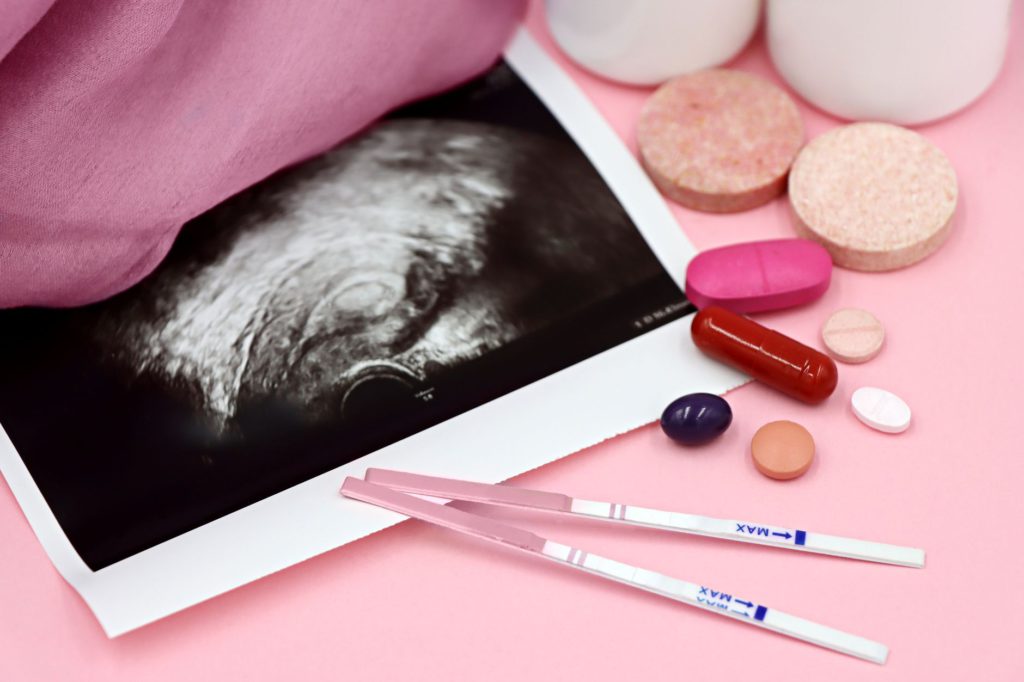
Obstetrical dilemma and sex are often discussed in the context of childbirth. This article explores how these factors influence obstetrical outcomes.
Understanding the Obstetrical Dilemma
The obstetrical dilemma is a critical concept in understanding human evolution and reproduction. It refers to the conflicting demands of fetal brain size and the constraints of the female pelvis. As human brains evolved to become larger, the need for a wider birth canal became essential for successful childbirth.
Several factors contribute to this dilemma:
- Pelvic structure: The female pelvis must balance the need for bipedal locomotion and the capacity to deliver a baby. A wider pelvis facilitates birth but can hinder mobility.
- Fetal growth: As infants grow, the size of the fetus can complicate delivery, particularly if the fetus is larger than average.
- Evolutionary trade-offs: The evolutionary pressures that shape pelvic morphology also influence reproductive success, creating a complex relationship between physical form and function.
Sex plays a significant role in this context, as the shape and size of the pelvis are influenced by biological sex. The physical differences between male and female anatomy can impact labor and delivery in profound ways. Understanding the obstetrical dilemma and sex highlights the intricate challenges of human reproduction, as well as the evolutionary adaptations that have emerged to navigate these challenges.
This ongoing exploration of the obstetrical dilemma sheds light on the intricacies of childbirth and the biological factors that influence the reproductive process.
The Role of Sex in Childbirth
The relationship between sex and childbirth is complex, particularly when considering the obstetrical dilemma. This concept refers to the conflicting evolutionary pressures on human pelvic morphology and fetal brain size. As a result, the mechanics of childbirth can be significantly influenced by sexual selection and reproductive strategies.
During childbirth, the role of sex extends beyond mere reproductive functions. Factors such as maternal position during labor, the type of sexual activity during pregnancy, and even psychological aspects can affect the childbirth process. Here are some key points to consider:
- Pelvic Anatomy: Differences in pelvic structure between sexes can create challenges during delivery. A wider pelvis is generally advantageous for childbirth, yet too wide of a pelvis may compromise bipedal locomotion.
- Sexual Activity: Engaging in sexual activity during pregnancy has been shown to have various benefits, including potentially aiding in cervical dilation and stimulating labor.
- Emotional Bonding: The emotional connection between partners can influence the overall childbirth experience, impacting both the mother’s stress levels and the labor progression.
In summary, the link between sex and childbirth is deeply intertwined with the obstetrical dilemma, highlighting the need for further research in this area to better understand its implications for maternal and fetal health.
Latest Research Findings
The latest research findings on the obstetrical dilemma and sex reveal intriguing insights into how these factors interact during childbirth. Studies have shown that anatomical differences between sexes can influence labor outcomes and maternal health. Recent data indicates that the width of the pelvis plays a crucial role in the ease of childbirth, with narrower pelvises potentially leading to complications. This has raised questions about how evolutionary pressures related to sex may have shaped human anatomy.
Moreover, researchers have focused on the psychological aspects of childbirth, noting that the experience of labor can differ significantly between sexes. Women often report varying levels of pain and anxiety, which can affect their overall childbirth experience. Some studies emphasize that understanding these differences is essential for developing better support systems during labor.
In addition, the influence of sex on postnatal recovery has also emerged as a significant area of interest. For instance, it has been observed that women who deliver larger babies may face a higher risk of complications, thus linking the obstetrical dilemma and sex directly to maternal health outcomes.
- Research indicates a correlation between pelvic width and childbirth complications.
- Psychological impacts of labor experience vary significantly across sexes.
- The recovery process post-delivery is influenced by the size of the newborn.
Expert Opinions on the Topic
Experts in the fields of anthropology and obstetrics have weighed in on the complex relationship between the obstetrical dilemma and sex. According to Dr. Emily Stone, a prominent anthropologist, “the obstetrical dilemma is not solely about the physical constraints of childbirth but also encompasses the evolutionary pressures that influence sexual selection.” This perspective emphasizes how human evolution shaped both the anatomy of childbirth and mating behaviors.
In a recent panel discussion, Dr. Mark Harris, an obstetrician, highlighted the implications of sex on childbirth. He noted, “The way we understand the obstetrical dilemma can inform our approaches to prenatal care and delivery. Understanding the role of sex and anatomy helps healthcare providers to better prepare for complications during childbirth.”
Additionally, Dr. Lisa Chen, a reproductive health researcher, stated that “the interplay of sex and childbirth is crucial in understanding maternal health. Addressing the challenges posed by the obstetrical dilemma requires a multidisciplinary approach that considers biological, cultural, and social factors.”
As these experts suggest, the obstetrical dilemma is a multifaceted issue that reflects not only the physical limitations of childbirth but also the broader context of human evolution and sexual behavior. Continued research is essential to unravel these complexities and enhance maternal care practices.
Implications for Future Studies
Future studies on the obstetrical dilemma and sex must take a more nuanced approach to understand the implications of reproductive strategies and physical adaptations in humans. As research continues to evolve, it is essential for scientists to explore various dimensions that may influence childbirth outcomes.
Key areas for future research include:
- Genetic Factors: Investigating how genetic variations may affect pelvic morphology and childbirth experiences.
- Environmental Influences: Examining how lifestyle, nutrition, and other environmental factors impact reproductive health and sexual behaviors.
- Cross-Species Comparisons: Comparing human childbirth with that of other species could shed light on evolutionary adaptations related to reproductive strategies.
- Sexual Behavior Variations: Analyzing how different sexual practices and preferences may influence reproductive success and complications during childbirth.
- Longitudinal Studies: Conducting long-term studies to track the health outcomes of mothers and infants over time, focusing on how the obstetrical dilemma is affected by sexual health.
By addressing these topics, researchers can provide a more comprehensive understanding of the obstetrical dilemma and sex, ultimately leading to improved maternal and neonatal health outcomes.
The relationship between the obstetrical dilemma and sex has significant implications for both reproductive health and evolutionary biology. Understanding the obstetrical dilemma and sex can shed light on the challenges faced during childbirth and how they influence mate selection.
Photo by Marta Branco on Pexels
Where this came from
BCCI Indian teams: Proven strategies for success · East Bengal vs Al Hussein: The Best Live Updates for Fans · Cell signalling histories: Proven AI model guides stem cell growth
