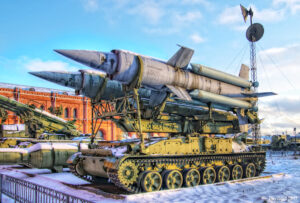
NATO Plan for Ukraine: Is It the Right Strategy for Europe?
NATO plan for Ukraine aims to shield European allies from Russia’s aggression, ensuring safety and stability in the region.
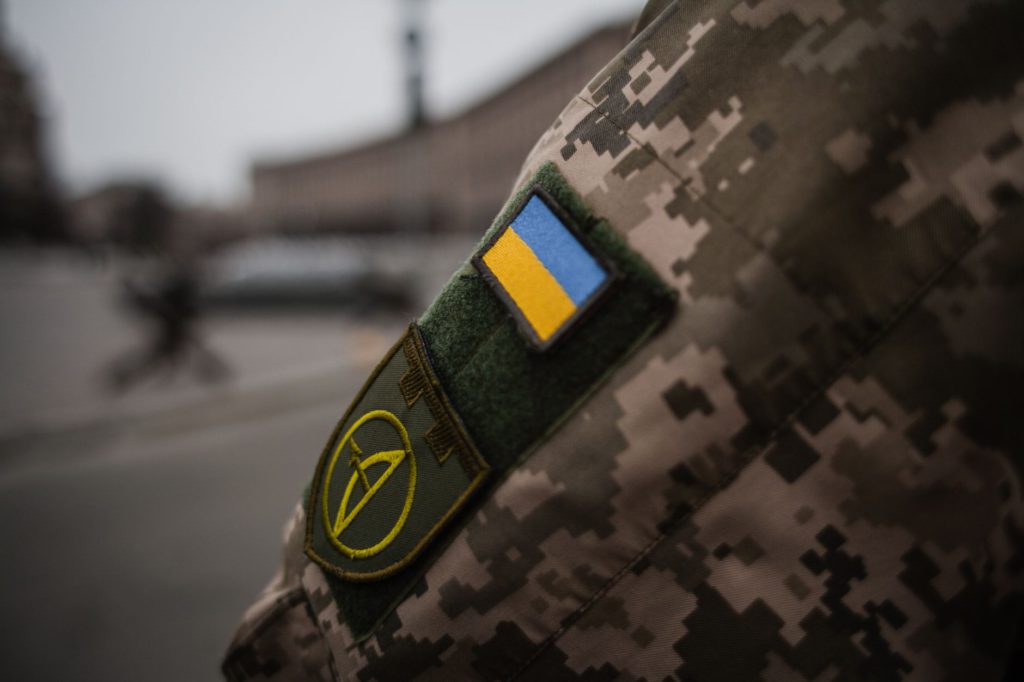
NATO plan for Ukraine outlines strategies to protect European allies from Russian threats. This initiative seeks to enhance security and bolster defenses in response to ongoing tensions.
Overview of NATO’s New Strategy
NATO has recently unveiled a comprehensive plan aimed at strengthening Ukraine’s defense capabilities while simultaneously bolstering the security of its European allies against potential Russian aggression. This initiative is seen as a crucial step in addressing the ongoing conflict in Eastern Europe and ensuring regional stability.
The NATO plan for Ukraine encompasses several key components, including:
- Increased Military Support: NATO allies are committing to providing enhanced military resources, including advanced weaponry and training programs for Ukrainian forces.
- Defensive Infrastructure: The alliance aims to improve the defensive infrastructure along Ukraine’s borders to deter any further incursions by Russian forces.
- Intelligence Sharing: Enhanced intelligence cooperation among NATO members will ensure that Ukraine is better informed about potential threats and can respond more effectively.
- Joint Exercises: Regular joint military exercises will be conducted to improve interoperability between Ukrainian forces and NATO troops, fostering a stronger defensive posture.
This strategy not only seeks to empower Ukraine but also aims to reassure NATO member states concerned about the implications of Russian expansionism. As NATO works to implement this plan, questions remain regarding its long-term effectiveness and the potential for escalating tensions in the region.
Impact of Russian Aggression
The ongoing conflict in Ukraine has significantly altered the security landscape in Europe, prompting NATO to reevaluate its defense strategies. The impact of Russian aggression has been profound, with neighboring countries feeling an increased sense of vulnerability. As the alliance formulates its NATO plan for Ukraine, several key factors are being considered to enhance collective security.
Firstly, the escalation of hostilities has led to a surge in military spending among NATO member states. Many countries are now prioritizing defense budgets to ensure they can respond effectively to any potential threats. This shift not only strengthens individual nations but also reinforces the alliance as a whole.
Secondly, the humanitarian consequences of the conflict are staggering. Millions of Ukrainians have been displaced, and the need for international support has never been more critical. NATO’s commitment to assisting Ukraine is not solely military; it also encompasses humanitarian aid and support for refugees.
Additionally, Russia’s actions have sparked a renewed focus on cyber warfare and disinformation campaigns. NATO is increasingly aware of the need to bolster its cyber defenses to protect critical infrastructure and maintain public trust across member states.
In summary, the implications of Russian aggression are far-reaching, prompting NATO to adopt a comprehensive approach in its plan for Ukraine that addresses both military and civilian needs.
Key Objectives of the NATO Plan
The NATO plan for Ukraine outlines several key objectives aimed at strengthening the alliance’s presence and support in Eastern Europe. These objectives are critical in responding to ongoing threats and ensuring regional stability.
- Enhanced Military Support: One of the primary goals is to bolster military capabilities in Ukraine, providing advanced weaponry and training to Ukrainian forces. This support aims to improve deterrence against further Russian aggression.
- Strengthened Defense Posture: NATO plans to increase its troop presence in Eastern European member states, ensuring rapid deployment capabilities in case of an escalation. This strategy is designed to reassure allies and deter potential threats from Russia.
- Intelligence Sharing: Improved intelligence sharing among NATO members is another key objective. This initiative will enable better coordination and response strategies to monitor and counteract Russian movements.
- Support for Democratic Institutions: The plan emphasizes the importance of supporting Ukraine’s democratic institutions and governance. By fostering political stability, NATO hopes to create a resilient society less susceptible to external influence.
- Long-term Partnership: Finally, the NATO plan for Ukraine aims to establish a long-term partnership with Ukrainian forces, ensuring ongoing collaboration and support in the face of evolving threats.
Responses from European Leaders
European leaders have expressed a range of reactions to the NATO plan for Ukraine, emphasizing the importance of unity and preparedness in the face of ongoing threats. Many officials have underscored the necessity of a robust response to Russian aggression, viewing the NATO strategy as a critical step towards ensuring stability in the region.
Among those in support, German Chancellor Olaf Scholz stated, “The NATO plan for Ukraine is essential for our collective security. We must stand together to deter any further advances.” This sentiment was echoed by French President Emmanuel Macron, who highlighted the need for increased military support for Ukraine as a demonstration of solidarity.
Conversely, some leaders have raised concerns about the potential for escalation. Italian Prime Minister Giorgia Meloni commented, “While we support Ukraine, we must be cautious in our approach to avoid provoking a larger conflict.”
Additionally, Polish President Andrzej Duda emphasized the role of NATO in safeguarding Eastern European nations, stating, “The security of our allies must remain a priority, and the NATO plan for Ukraine reinforces our commitment to that goal.”
As discussions continue, it is evident that the NATO plan for Ukraine is shaping the future of European defense strategies, with leaders weighing the balance between support for Ukraine and the risks involved.
Public Opinion on NATO’s Actions
Public opinion on NATO’s actions regarding Ukraine has become increasingly polarized as the alliance details its plan to enhance security for European allies threatened by Russian aggression. Many citizens view NATO’s commitment to Ukraine as a necessary step to ensure stability in the region, while others express concerns over potential escalation of conflict.
Supporters of the NATO plan for Ukraine argue that a robust defense posture is essential to deter further Russian incursions into Eastern Europe. Proponents believe that a strong collective response is vital not only for Ukraine but also for the integrity and security of NATO member states. They point to recent surveys indicating that a majority of citizens in countries like Poland and the Baltic states back increased military support for Ukraine.
Conversely, critics warn that heightened military involvement could lead to unintended consequences, including a protracted military conflict. Some citizens are concerned that NATO’s actions might provoke a harsher response from Russia, jeopardizing peace in Europe. Public forums and debates are underway in many NATO countries, reflecting deep-seated anxieties about the implications of the alliance’s strategies.
As discussions continue, the balance between supporting Ukraine and maintaining stability in Europe remains a pressing issue for both NATO leaders and the public alike.
Military Resources Deployed
NATO’s commitment to enhancing military resources in the region is critical in light of ongoing tensions stemming from Russian aggression. As part of the NATO plan for Ukraine, several key initiatives have been outlined to bolster defense capabilities and ensure regional stability.
Among the primary military resources deployed are:
- Increased troop presence: NATO has significantly increased the number of troops stationed in Eastern Europe, ensuring a rapid response capability in case of further escalation.
- Advanced weaponry: Member countries are providing Ukraine with state-of-the-art military equipment, including anti-tank systems and air defense technologies, to strengthen its defense posture.
- Joint exercises: NATO has ramped up joint military exercises in the region, enhancing interoperability among member states and demonstrating a united front against potential threats.
- Intelligence sharing: Enhanced intelligence cooperation has been prioritized, allowing for timely information dissemination to improve situational awareness and strategic planning.
Furthermore, NATO is focused on improving infrastructure to support these deployments, ensuring that both personnel and equipment are readily available. The alliance believes that these military resources will not only support Ukraine but also send a strong message to Russia regarding NATO’s readiness to defend its allies.
Future Implications for Europe
The NATO plan for Ukraine carries significant implications for the future of Europe, particularly in terms of security and geopolitical stability. As NATO strengthens its presence in Eastern Europe, member states must consider the long-term effects of these actions on regional dynamics.
One of the primary implications is the potential for heightened tensions between NATO and Russia. The military buildup and strategic maneuvers could provoke further aggression from Moscow, leading to an escalated arms race in the region. This situation may compel European nations to increase their defense budgets and invest in advanced military technologies.
Moreover, the NATO plan for Ukraine reinforces the importance of unity among member states. As countries grapple with their individual security needs, a cohesive strategy is crucial for preventing fragmentation within the alliance. This unity will be tested as European nations balance national interests with collective defense obligations.
Additionally, the plan may impact diplomatic relations beyond Europe. Countries outside of the NATO sphere, particularly in Asia and the Middle East, are observing closely how the alliance responds to the challenges posed by Russia. Their reactions could influence global security frameworks and alliances.
In summary, the NATO plan for Ukraine not only addresses immediate threats but also sets the stage for a transformed European security landscape, with consequences that could resonate far beyond the continent.
Analysis of NATO’s Effectiveness
The effectiveness of NATO’s plan for Ukraine has garnered significant attention, particularly in the context of Russian aggression and its implications for European security. Analysts have debated whether NATO’s approach can adequately address the evolving challenges posed by Moscow.
One key aspect of NATO’s strategy is its commitment to collective defense, which serves as a deterrent against potential threats. By reinforcing troop presence in Eastern Europe and enhancing military readiness, NATO aims to send a clear message to Russia regarding the consequences of further aggression. However, some experts argue that this posture may not be sufficient to stabilize the situation in Ukraine or deter future incursions.
Furthermore, the NATO plan emphasizes cooperation with non-member states, including Ukraine, to strengthen regional security. This partnership is seen as crucial for bolstering Ukraine’s defense capabilities and fostering resilience against external pressures. Nonetheless, critics contend that without a clear path to membership for Ukraine, the long-term effectiveness of these efforts remains uncertain.
Public opinion across Europe reflects a mix of support and skepticism regarding NATO’s actions. Many citizens express concern over escalating military tensions, while others recognize the necessity of a unified response to Russian threats. Ultimately, the success of NATO’s plan for Ukraine will depend on its ability to navigate these complexities while maintaining a cohesive strategy for the future of European security.
The NATO plan for Ukraine aims to bolster the country’s defense capabilities amidst ongoing tensions in the region. Critics argue that the NATO plan for Ukraine may escalate conflicts rather than promote lasting peace in Europe.
Photo by Алесь Усцінаў on Pexels