Delhi pollution controversy: What’s the real story behind it?
Delhi pollution controversy raises questions about AQI data and politics.
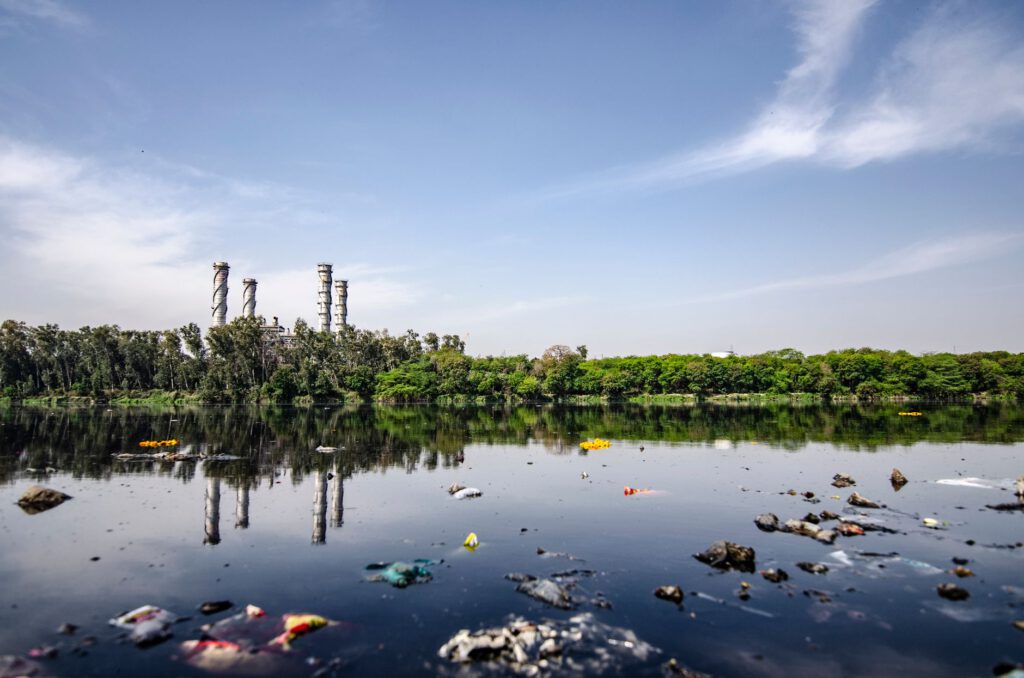
The Delhi pollution controversy has ignited a fierce debate among political parties, with allegations of conspiracy and misleading AQI data.
Understanding the Delhi pollution controversy
The Delhi pollution controversy has escalated into a heated debate among political parties, drawing attention to the alarming air quality in the capital. With the season of stubble burning coinciding with Diwali festivities, the air quality index (AQI) has plummeted, leading to severe health warnings for residents.
Recently, the Bharatiya Janata Party (BJP) has accused the Aam Aadmi Party (AAP) of orchestrating a ‘conspiracy’ to mislead the public regarding pollution levels. In response, AAP leaders have challenged the credibility of the AQI data presented by the BJP, asserting that it is manipulated for political gain.
In this contentious environment, Congress has also entered the fray, demanding transparency and accountability from both parties. The situation has sparked widespread concern about the health implications of poor air quality, prompting citizens to voice their frustrations over inaction.
As the pollution controversy continues to unfold, many are left wondering how political rhetoric will address the pressing issue of air quality in Delhi.
Political reactions to pollution levels
The recent surge in pollution levels in Delhi has ignited a political firestorm, with various parties exchanging sharp criticisms. The Bharatiya Janata Party (BJP) has accused the ruling Aam Aadmi Party (AAP) of orchestrating a “conspiracy” to downplay the severity of the air quality crisis. BJP leaders have demanded accountability and transparency regarding the data on air quality index (AQI) readings, suggesting that the AAP is manipulating figures to evade responsibility.
In response, AAP officials have vehemently denied these allegations, asserting that the situation is a result of multiple factors beyond their control, including weather patterns and stubble burning in neighboring states. They have emphasized the need for a collaborative approach to tackle the pollution crisis.
The Congress party has also weighed in, expressing skepticism about the credibility of the AQI data being released by the government. They have called for an independent review of the pollution levels, further complicating the political discourse surrounding the Delhi pollution controversy.
- Political blame game intensifies
- Calls for independent AQI review
- Multi-faceted causes of pollution acknowledged
The role of AQI data in the debate
The ongoing Delhi pollution controversy has been fueled by conflicting interpretations of Air Quality Index (AQI) data. As the air quality in the capital deteriorates, political parties are leveraging this information to support their narratives.
On one side, the BJP has accused the Aam Aadmi Party (AAP) of manipulating AQI figures to downplay the severity of pollution. They argue that the data presented is misleading and does not reflect the true conditions faced by residents. The BJP has called for a comprehensive review of the monitoring systems in place.
In contrast, AAP officials defend their handling of AQI data, asserting that fluctuations are often due to various external factors beyond their control, such as weather patterns. They question the methodologies used by the BJP to interpret the data, arguing that it is politicized for electoral gain.
Moreover, Congress has joined the debate, demanding transparency in how AQI readings are reported. This has led to calls for independent assessments to clarify the true state of Delhi’s air quality, further complicating the Delhi pollution controversy.
Public health implications of air quality
The ongoing Delhi pollution controversy has significant public health implications, with rising air pollution levels posing serious risks to residents. Experts warn that deteriorating air quality can lead to a surge in respiratory ailments, cardiovascular diseases, and other health-related issues.
According to health officials, vulnerable populations, including children and the elderly, are particularly at risk. The harmful effects of pollutants such as PM2.5 and nitrogen dioxide can exacerbate pre-existing conditions, leading to increased hospital admissions during the winter months.
As the city grapples with these alarming air quality levels, public awareness campaigns have emerged, emphasizing the importance of protective measures. Residents are urged to:
- Limit outdoor activities during peak pollution times.
- Use air purifiers indoors.
- Wear masks designed to filter out harmful particles.
The urgency of addressing the Delhi pollution controversy is underscored by ongoing debates about the effectiveness of governmental responses and the long-term strategies needed to improve air quality.
Photo by Yogendra Singh on Pexels