Crowded Skies Satellites: Clear Concerns Over Safety
Crowded skies satellites are raising clear concerns among experts regarding safety and the future of space exploration.
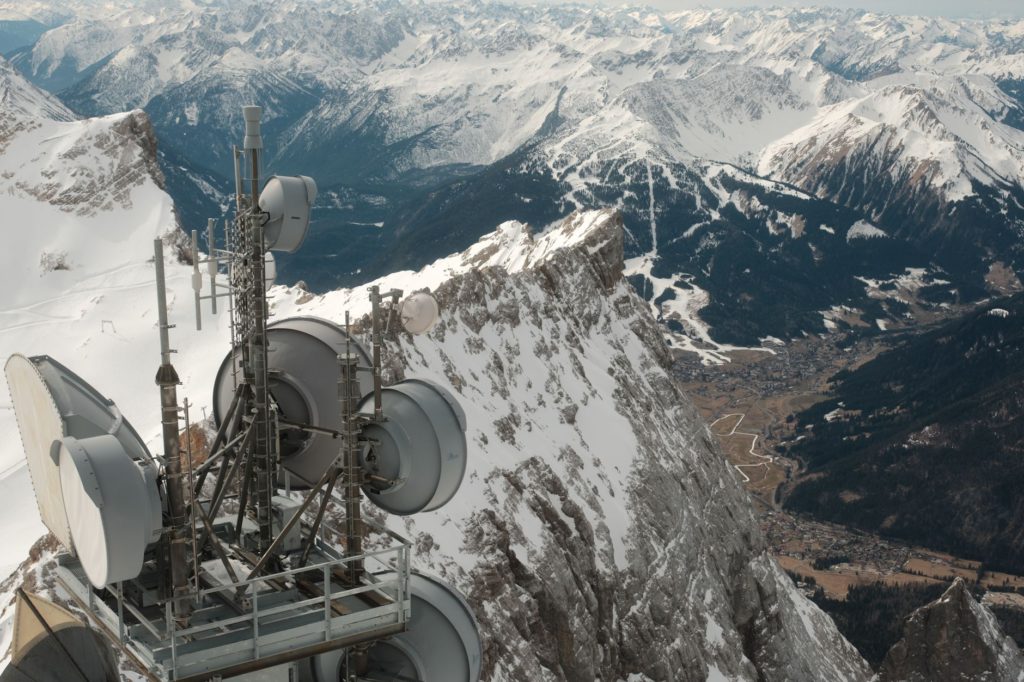
crowded skies satellites are becoming a pressing issue as experts raise concerns about the safety and implications of an increasingly cluttered orbit around Earth.
Understanding the Impact of Crowded Skies
The rapid increase in the number of satellites has led to what many experts describe as crowded skies. This phenomenon presents several challenges and concerns that need to be addressed.
One of the primary issues is the potential for collisions between satellites. As more entities, including private companies and governments, launch their own satellites, the risk of space debris increases significantly. This debris can pose a threat to operational satellites and even the International Space Station.
Additionally, the growing number of satellites is affecting our ability to monitor and manage space traffic effectively. Experts argue that without a comprehensive regulatory framework, the safety of space operations could be compromised. The following points summarize some of the key concerns:
- Increased risk of collisions leading to catastrophic failures.
- Challenges in tracking and managing space debris.
- Potential for interference with astronomical observations caused by satellite constellations.
As we continue to explore the universe, addressing these issues in the context of crowded skies is crucial for ensuring the safety of space activities.
Experts Share Insights on Satellite Safety
As the number of satellites in orbit continues to rise, experts are increasingly vocal about the potential safety risks associated with crowded skies satellites. Dr. Emily Carter, an aerospace engineer, emphasized the importance of addressing these concerns early on. “With thousands of satellites being launched, we must prioritize collision avoidance systems and regulation,” she stated.
In a recent forum, experts from various fields discussed the implications of satellite congestion. Dr. Raj Patel, an astrophysicist, pointed out that the growing number of objects in space can complicate astronomical observations. “Our ability to study the universe is at risk if our skies become cluttered,” he explained.
Several recommendations emerged during the discussions, including:
- Enhancing tracking technologies to monitor satellite positions more accurately.
- Implementing stricter guidelines for satellite launches and operations.
- Promoting international cooperation to manage space traffic effectively.
Ensuring safety in crowded skies satellites is crucial for both scientific advancement and the sustainability of space exploration.
The Future of Space Exploration
The future of space exploration is increasingly shaped by the growing number of satellites in our orbit. As the crowded skies satellites phenomenon continues to evolve, it presents both opportunities and challenges for researchers and commercial entities alike.
Innovations in satellite technology promise to enhance our understanding of the universe, allowing for detailed observations and data collection. However, with this rapid expansion comes a heightened risk of collisions and space debris, raising serious safety concerns.
Experts are calling for more stringent regulations and collaborative efforts among nations to manage the traffic in space effectively. Key initiatives may include:
- Improved tracking systems for satellite positions
- International agreements on satellite launches
- Development of debris removal technologies
As we look towards the future, it is crucial to balance the pursuit of knowledge with the responsibility of maintaining a safe and sustainable space environment.
Technological Advances in Satellite Deployment
As the realm of satellite technology continues to evolve, several technological advances have revolutionized satellite deployment, leading to both opportunities and challenges. The rapid expansion of communication networks, Earth observation, and scientific research has resulted in what many experts describe as crowded skies satellites.
Innovations such as miniature satellites and improved launch techniques have made it easier and more cost-effective to deploy multiple satellites simultaneously. This has led to an increase in satellite constellations that can provide global coverage and enhanced services. However, the growing number of satellites raises significant concerns regarding space debris and collision risks.
Moreover, advancements in artificial intelligence and autonomous systems are being integrated into satellite operations. These technologies aim to improve collision avoidance, allowing satellites to navigate crowded orbits more safely. Nevertheless, as more actors enter the space industry, the need for effective governance and coordination becomes increasingly vital to ensure the safety of both satellites and the numerous activities they support.
Regulatory Measures for Space Traffic
The increasing number of satellites in orbit has prompted regulators to consider comprehensive measures to address safety concerns related to crowded skies satellites. As space becomes more congested, it is crucial to establish guidelines that manage satellite deployments and mitigate risks of collisions.
Regulatory bodies around the world are working to enhance existing frameworks. These measures include:
- Mandatory Tracking Systems: Operators may be required to use advanced tracking technologies to monitor satellite positions actively.
- Collision Avoidance Protocols: The implementation of standardized procedures for maneuvering satellites to prevent potential collisions is under discussion.
- Licensing Requirements: Stricter licensing processes for satellite launches are being proposed to ensure that only responsible operators contribute to the orbital environment.
- International Cooperation: Collaboration among nations is essential to create cohesive regulations that transcend borders.
These regulatory measures aim to foster a safer space environment, allowing for continued innovation while addressing the challenges posed by the proliferation of satellites.
Public Awareness and Education on Space Issues
As the number of satellites in orbit continues to rise, public awareness and education on space issues have become increasingly important. Crowded skies satellites pose significant concerns that extend beyond the realm of scientific communities and into everyday life. It is essential for the general public to understand the implications of these developments, including potential risks to both space and ground-based infrastructure.
Educational initiatives can play a crucial role in fostering this awareness. Schools, universities, and community organizations are beginning to incorporate space science into their curricula, helping to demystify the complexities surrounding orbital mechanics and satellite deployment.
Moreover, engaging the public through workshops, seminars, and online resources can promote informed discussions about the safety and sustainability of our increasingly crowded skies. By highlighting the challenges and opportunities presented by satellite proliferation, these efforts can empower individuals to advocate for responsible space practices and support regulatory measures aimed at ensuring long-term safety in our orbital environment.
The increasing number of crowded skies satellites poses significant challenges for air traffic management and safety. As more crowded skies satellites are launched, the potential for collisions in orbit raises urgent concerns for space agencies worldwide.
Photo by Mustafa El-Taie on Pexels