Uranus and Neptune magnetic fields: Clear explanations revealed
Uranus and Neptune magnetic fields may finally be explained, shedding light on their bizarre characteristics.
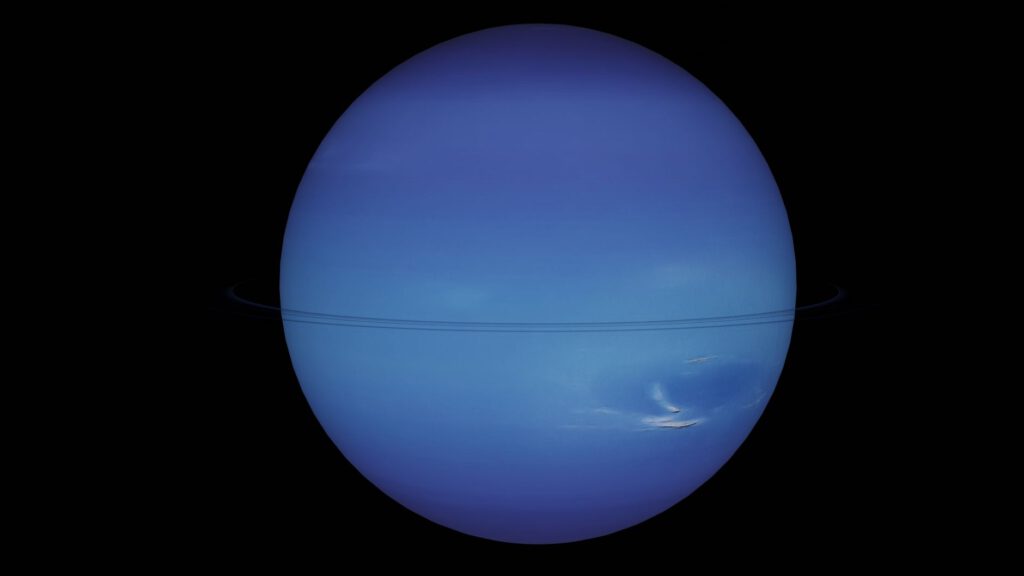
Uranus and Neptune magnetic fields have long puzzled scientists, but recent research may finally provide clear explanations for their bizarre characteristics. This new understanding could reshape our knowledge of these distant planets.
Understanding Uranus and Neptune
Uranus and Neptune, the two ice giants of our solar system, have long puzzled scientists with their unique magnetic fields. Unlike the magnetic fields of Earth and other planets, which are generated by a molten iron core, the magnetic fields of Uranus and Neptune exhibit strange orientations and intensities.
Recent studies suggest that the magnetic fields of Uranus and Neptune are influenced by their unusual internal structures. Both planets have large amounts of water, ammonia, and other ices, which may play a crucial role in generating these magnetic fields. Researchers have proposed that the presence of electrically conductive fluids in their interiors could lead to complex dynamo processes.
Scientists are now focusing on understanding the specific mechanisms behind these processes. Key areas of research include:
- The composition and behavior of the materials within the planets.
- The impact of their rapid rotation on magnetic field generation.
- How the tilt of their magnetic axes affects the overall field structure.
By unraveling these mysteries, researchers hope to gain deeper insights into the nature of Uranus and Neptune’s magnetic fields.
Recent Discoveries in Planetary Magnetism
Recent studies have shed light on the complex magnetic fields of Uranus and Neptune, revealing new insights that challenge previous assumptions. Scientists have long been puzzled by the unusual orientation and strength of these planets’ magnetic fields, which are significantly tilted compared to their rotational axes.
Recent discoveries suggest that the magnetic fields of Uranus and Neptune may be influenced by their unique internal structures and compositions. Researchers propose that a combination of ionic and metallic hydrogen, along with the presence of ammonia and other compounds, plays a crucial role in generating these bizarre magnetic fields.
Key findings include:
- Magnetic Field Orientation: The magnetic axes are tilted at steep angles, complicating our understanding of their formation.
- Planetary Dynamics: The dynamo effect, which generates magnetic fields, might be significantly different in these ice giants compared to gas giants like Jupiter and Saturn.
- Potential for Future Research: Upcoming missions may further unravel the mysteries surrounding Uranus and Neptune magnetic fields.
These revelations offer a clearer picture of how magnetic fields function in these distant worlds, paving the way for future exploration.
The Importance of Magnetic Fields
The study of magnetic fields is crucial in understanding the dynamics and evolution of planets. For Uranus and Neptune, their magnetic fields present unique challenges and opportunities for scientific investigation. These two ice giants possess magnetic fields that are not only tilted at odd angles but are also offset from their rotational axes.
This misalignment raises questions about the internal structure and composition of these planets. By examining the magnetic fields of Uranus and Neptune, researchers can gain insights into their atmospheric conditions, potential weather patterns, and even the existence of deep, conductive oceans beneath their icy surfaces.
Furthermore, understanding the magnetic fields of Uranus and Neptune can help scientists draw comparisons with other celestial bodies, enhancing our knowledge of magnetism across the solar system. The study of these magnetic phenomena could also shed light on the formation processes of the ice giants, ultimately contributing to our broader understanding of planetary formation and evolution.
As research continues, the magnetic fields of Uranus and Neptune may reveal even more secrets about these enigmatic worlds.
How Do Uranus and Neptune Compare?
When comparing the magnetic fields of Uranus and Neptune, several intriguing differences and similarities emerge. Both planets possess unique magnetic field characteristics that set them apart from the more familiar magnetic fields of Earth and other terrestrial planets.
While Uranus has a magnetic field that is tilted at approximately 59 degrees from its rotational axis, Neptune’s magnetic field is tilted at a steeper angle of about 47 degrees. This significant tilt contributes to the complexity of their magnetic environments.
In addition to their tilt, the strength of the magnetic fields also varies. Uranus exhibits a magnetic field that is about 50% stronger than that of Neptune. This difference may be attributed to the planets’ distinct internal structures and compositions.
Furthermore, both planets have magnetic fields that are offset from their centers, leading to unique magnetospheres that interact with solar wind in fascinating ways. Understanding these differences is crucial for deciphering the mysteries surrounding the magnetic fields of Uranus and Neptune.
Implications for Future Research
The unique characteristics of the magnetic fields of Uranus and Neptune present exciting avenues for future research. Understanding these complex systems is crucial for unraveling the mysteries of planetary formation and evolution.
As scientists delve deeper into the implications of recent findings, several key areas are emerging for further investigation:
- Comparative Planetology: Studying Uranus and Neptune’s magnetic fields in relation to other celestial bodies may reveal fundamental principles governing magnetism in the solar system.
- Magnetosphere Dynamics: Researchers aim to explore how the unusual orientations and structures of these magnetic fields affect their surrounding environments, particularly in relation to atmospheric phenomena.
- Magnetism and Internal Composition: Future studies may focus on the internal structures of these ice giants, linking their magnetic fields to the composition and behavior of their interiors.
- Technological Innovations: Advancements in observational technologies, such as improved telescopes, may provide new insights into the magnetic properties of Uranus and Neptune.
These implications underscore the importance of ongoing research into Uranus and Neptune’s magnetic fields, which could reshape our understanding of planetary science.
Expert Opinions on the Findings
Experts in planetary science have weighed in on the recent findings regarding the magnetic fields of Uranus and Neptune. Dr. Emily Carter, an astrophysicist at the Institute for Cosmic Studies, emphasized the significance of understanding these planets’ magnetic structures. “The peculiarities of Uranus and Neptune magnetic fields challenge our traditional models of planetary magnetism,” she stated.
Additionally, Dr. Raj Patel, a researcher specializing in magnetospheres, noted that these discoveries could reshape our understanding of how magnetic fields interact with atmospheric dynamics. “The unique orientations and strengths of their magnetic fields may influence not only their atmospheres but also their moons and rings,” he explained.
Many scientists believe that this new information could have broader implications for how we study other distant exoplanets. Dr. Sarah Nguyen commented, “If we can apply these findings to similar celestial bodies, we may unlock new insights into the magnetic properties of planets beyond our solar system.” The excitement surrounding Uranus and Neptune’s magnetic fields continues to grow as researchers delve deeper into these mysteries.
The recent discoveries have shed light on the complex nature of Uranus and Neptune magnetic fields. Understanding these Uranus and Neptune magnetic fields is crucial for comprehending the dynamics of these distant planets.
Photo by Zelch Csaba on Pexels
Read the original
Related stories
Tribal projects launch: Proven benefits for Gadchiroli’s growth · Iran Update November 2026: Clear Insights on Current Events · Healthy Lifestyle Options: Proven Tips for Diabetes Management