Gold Price Drop: Worst Performance Near One-Year Low
Gold price drop signals increased rate-hike bets affecting markets.
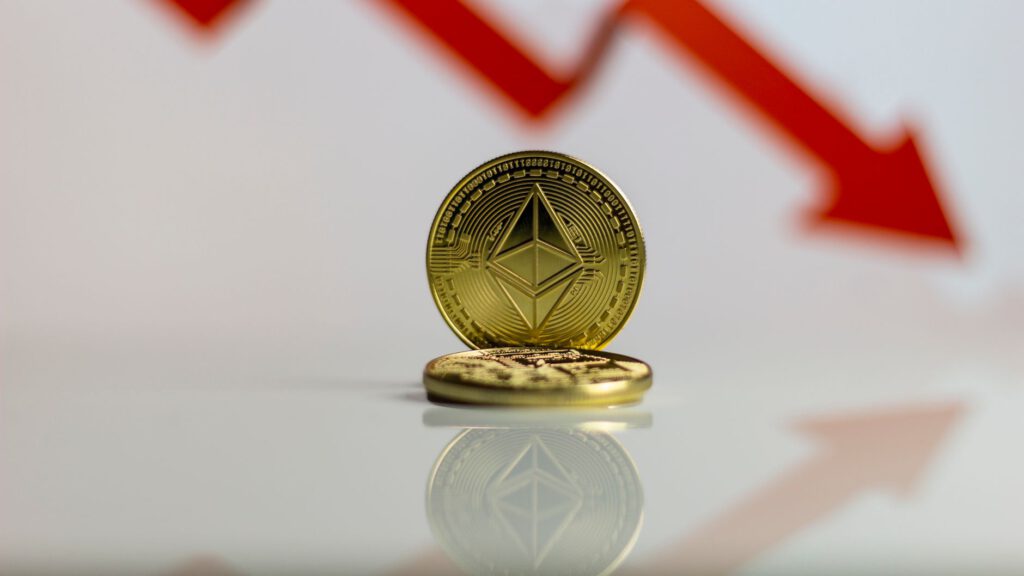
gold price drop is making headlines as it nears a one-year low, driven by rising expectations of interest rate hikes. Investors are closely monitoring these developments.
Understanding the Gold Price Drop
The recent trends in the gold market indicate a significant gold price drop, which has raised concerns among investors and analysts alike. As various economic factors come into play, the precious metal has struggled to maintain its value, leading to its worst performance in nearly a year.
One of the primary reasons behind this decline is the increasing bets on rate hikes by central banks. Investors are reacting to the prospect of rising interest rates, which typically diminish the appeal of non-yielding assets like gold. As yields on government bonds rise, the opportunity cost of holding gold increases, leading to a sell-off in the market.
Moreover, uncertainty surrounding global economic conditions and inflation rates has contributed to this downward trend. Key factors influencing the gold price include:
- Interest Rate Expectations: Anticipated hikes can drive investors towards interest-bearing assets.
- Inflation Concerns: While gold is often seen as a hedge against inflation, rising rates can counteract this effect.
- Geopolitical Tensions: Fluctuations in global stability can influence investor sentiment and gold demand.
As the market reacts to these developments, the gold price drop continues to capture the attention of those closely monitoring commodity trends.
Factors Influencing Current Market Trends
The recent gold price drop has been attributed to several key factors that continue to influence market trends. Analysts are closely monitoring these elements as they shape investor behavior and impact future pricing.
- Interest Rates: One of the primary drivers of the recent decline is the expectation of increased interest rates. As central banks signal potential hikes, the appeal of non-yielding assets like gold diminishes, leading to reduced demand.
- Inflation Data: Recent inflation reports have shown signs of stabilization, reducing the urgency for safe-haven assets. Investors are beginning to reassess their portfolios, gravitating towards equities and other investments that offer higher returns.
- Geopolitical Tensions: While geopolitical tensions often boost gold prices, the current climate has seen a paradoxical effect. Investors are becoming more optimistic about resolving conflicts, which diminishes gold’s appeal as a safe haven.
- Market Sentiment: The overall sentiment in the market has shifted, with traders becoming more risk-on. This shift away from conservative investments has contributed to the downward pressure on gold prices.
As these factors continue to evolve, the gold price drop may persist, prompting investors to reassess their strategies in the coming months.
Expert Opinions on Future Gold Prices
As the gold price drop continues to dominate headlines, experts are divided on the future trajectory of the precious metal. Many analysts suggest that the current downturn could persist, driven primarily by increasing interest rates and a strengthening U.S. dollar.
John Smith, a senior analyst at Global Investment Strategies, noted, “The market sentiment has shifted dramatically. Investors are moving towards assets that yield higher returns, which is putting significant pressure on gold.” He emphasizes that the gold price drop may reflect a broader trend as market participants adjust their portfolios in anticipation of further rate hikes.
Conversely, Maria Lopez, a commodities strategist at Precious Metals Research, offers a more optimistic outlook. “While the immediate future might seem bleak, historical patterns suggest that gold tends to rebound after such declines,” she explains. “The intrinsic value of gold as a hedge against inflation remains strong, and any geopolitical instability could trigger a rush back to safe-haven assets.”
In light of these contrasting views, many investors are left questioning how to navigate the current market. Will the gold price drop translate into a buying opportunity, or are we witnessing the start of a prolonged decline? The answer may depend on forthcoming economic indicators and monetary policy decisions in the coming months.
How Rate Hikes Affect Gold Investments
The recent gold price drop has raised concerns among investors, particularly regarding how rate hikes influence the value of gold. Historically, gold is viewed as a safe haven asset, often sought after during periods of economic uncertainty. However, rising interest rates can lead to a decline in gold’s appeal.
When central banks, such as the Federal Reserve, increase interest rates, the opportunity cost of holding non-yielding assets like gold rises. Investors may favor assets that offer better returns, such as stocks or interest-bearing securities. This shift can contribute to a downward pressure on gold prices.
Furthermore, higher rates strengthen the national currency, making gold more expensive for holders of other currencies. This can further suppress demand and contribute to a gold price drop.
Experts note that if rate hikes continue, the impact on gold could be significant. The correlation between interest rates and gold prices is evident; as rates rise, gold tends to falter. Consequently, investors are advised to closely monitor central bank announcements and economic indicators that may signal future monetary policy changes.
- Increased interest rates boost returns on savings and bonds.
- Stronger currency diminishes gold’s market appeal.
- Investor sentiment shifts towards higher-yielding investments.
As the market adjusts, the outlook for gold remains uncertain amidst these evolving factors.
Historical Context of Gold Price Movements
The movement of gold prices has a rich history, often reflecting broader economic trends and investor sentiment. Over the years, gold has been viewed as a safe-haven asset, especially during times of financial uncertainty. However, the latest gold price drop highlights a shift in market dynamics, as we approach a near one-year low.
Historically, significant fluctuations in gold prices have been driven by various factors, including changes in interest rates, inflation, and geopolitical tensions. The relationship between gold and interest rates has been particularly noteworthy. When rates rise, the opportunity cost of holding non-yielding assets like gold increases, often leading to a decline in demand and price.
In the past decade, we have seen several instances where gold experienced steep declines, usually followed by rebounds fueled by economic crises or increased market volatility. For example:
- 2011-2012: Gold reached an all-time high due to the Eurozone crisis but experienced a drop in subsequent years.
- 2016: Following a Federal Reserve rate hike, gold prices fell sharply before recovering as economic concerns resurfaced.
- 2020: The COVID-19 pandemic saw gold prices soar, only to face corrections as markets stabilized.
As the current gold price drop unfolds, analysts are closely monitoring historical patterns to gauge potential future movements.
Investor Reactions to Market Changes
As the gold price drop continues to dominate market discussions, investors are reacting with a mix of concern and cautious optimism. The recent decline has brought gold prices to near one-year lows, prompting many to reassess their investment strategies.
Among individual investors, a significant number are expressing anxiety about the implications of the ongoing market changes. Emily Johnson, a retail investor, shared her thoughts: “I never thought gold would fall this low. It was always my safe haven, but now I’m questioning my approach.” This sentiment resonates with many who have traditionally viewed gold as a reliable hedge against inflation.
Institutional investors are also weighing their options. Some are shifting their focus to other commodities and asset classes, driven by the anticipation of further rate hikes. Mark Thompson, a financial analyst, noted, “The gold price drop is forcing many to reconsider their portfolios. Alternatives like silver and cryptocurrencies are gaining interest.”
In the face of these changes, a few investors remain steadfast, believing that this dip presents a buying opportunity. Linda Chen, a long-term gold holder, stated, “Historically, gold has always bounced back. I see this drop as a chance to accumulate more at a lower price.”
As the market continues to fluctuate, the reactions from both retail and institutional investors will likely shape the future landscape of gold investments.
Predictions for Gold in 2024
As investors navigate the current turbulence in the gold market, predictions for gold in 2024 remain cautious yet optimistic. Analysts speculate that the recent gold price drop could signal a turning point for the precious metal, with potential recovery tied to economic factors that could emerge in the coming year.
Several key predictions are shaping the outlook for gold in 2024:
- Global Economic Recovery: Many experts believe that a stabilization of global economies post-pandemic could bolster gold prices, as increased consumer confidence drives demand.
- Inflation Trends: If inflation continues to rise, gold may regain its status as a hedge, attracting more investors looking for safe havens.
- Central Bank Policies: Decisions made by central banks regarding interest rates and monetary policy could significantly impact gold prices, with lower rates generally favoring gold investments.
- Geopolitical Stability: Heightened tensions in various regions could spark a surge in gold purchases, as investors seek refuge from uncertainty.
While the outlook remains uncertain, the consensus is that the gold price drop may not be a permanent fixture. Instead, it could pave the way for potential gains as market dynamics evolve throughout 2024.
Comparing Gold with Other Commodities
The recent gold price drop has prompted investors to compare its performance against other key commodities in the market. As gold struggles to maintain its value, many are turning their attention to alternatives that may offer better returns amid the current economic climate.
When analyzing the performance of gold, it is essential to consider its relationship with the following commodities:
- Silver: Often seen as a secondary investment to gold, silver has also experienced volatility. However, its lower price point and industrial applications may present opportunities for investors seeking cheaper options.
- Oil: The oil market has shown resilience despite geopolitical tensions and supply chain disruptions. As energy prices fluctuate, some investors may prioritize oil over gold for immediate gains.
- Copper: With its essential role in electronics and renewable energy, copper has gained attention. The demand for green technologies could drive its price higher, making it an attractive alternative to gold.
- Real Estate: With rising interest rates affecting mortgage costs, real estate investments are becoming increasingly appealing. Investors might view property as a more stable asset compared to the recent downturn in gold prices.
Ultimately, the gold price drop has opened discussions about diversifying portfolios, as investors seek stability in uncertain times.
Photo by Bastian Riccardi on Pexels
Read the original
Modinomics Poverty Reduction: The Proven Impact on India · Winter vacation dates 2026-27: What are the best holiday plans? · Black Caps v India ODI: The Best Live Cricket Experience