
Ladki-Ka-Pul traffic plan: Smart steps for safer travel
Ladki-Ka-Pul traffic plan is set in motion by a retired banker’s sketch, promising safer travel for all.
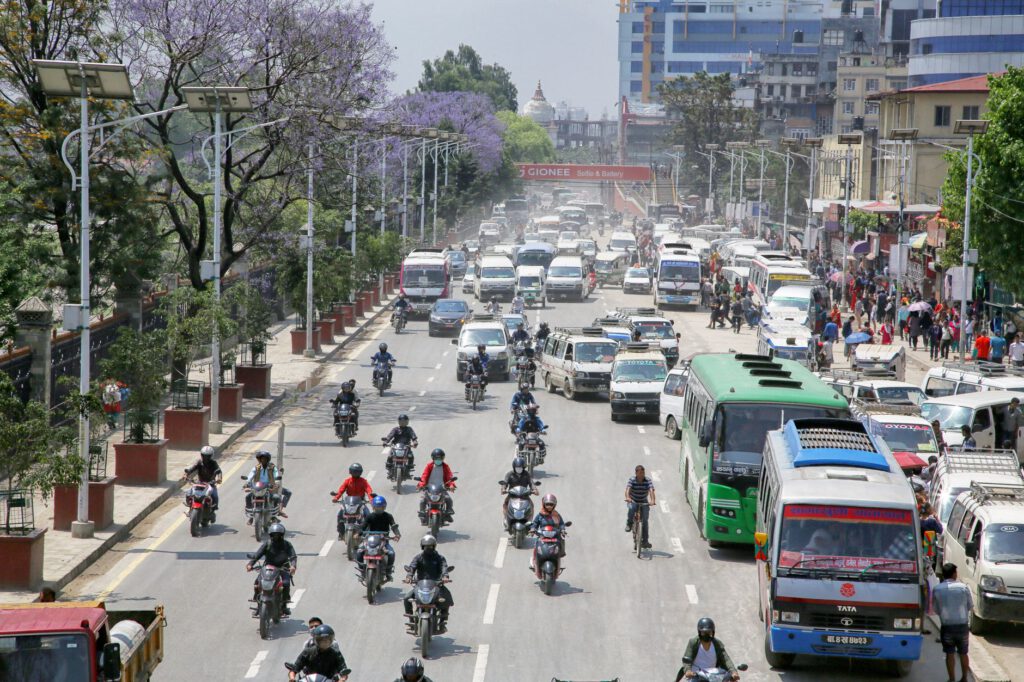
The Ladki-Ka-Pul traffic plan has gained momentum thanks to a retired banker’s innovative sketch. This initiative aims to enhance road safety and streamline one-way traffic in Hyderabad.
Overview of the Ladki-Ka-Pul traffic plan
The Ladki-Ka-Pul traffic plan has been introduced to enhance road safety and improve the flow of vehicles in the busy area. This initiative, driven by community feedback and expert analysis, aims to create a more organized traffic environment.
Key features of the plan include:
- One-way traffic system: Vehicles will now follow a designated one-way pattern, reducing congestion and minimizing the chances of accidents.
- Increased signage: Clear and visible signboards will be installed to guide drivers and ensure they adhere to the new traffic rules.
- Dedicated pedestrian zones: Separate walkways will be created to enhance safety for pedestrians, encouraging walking while reducing the likelihood of collisions.
- Regular monitoring: Traffic officials will oversee the implementation of the plan, ensuring compliance and making adjustments as needed.
Community members have expressed support for the Ladki-Ka-Pul traffic plan, believing it will significantly improve safety conditions. With these changes, local authorities hope to foster a more harmonious coexistence between vehicles and pedestrians, ultimately leading to a safer travel experience for everyone.
Impact of the retired banker’s sketch
The introduction of the Ladki-Ka-Pul traffic plan has been greatly influenced by the sketch created by a retired banker, which highlighted several critical issues regarding the existing traffic flow. This sketch has served as a visual representation of the area’s challenges, prompting local authorities to take immediate action.
Key impacts from the retired banker’s sketch include:
- Increased Awareness: The sketch has raised public awareness about traffic congestion and safety concerns at Ladki-Ka-Pul.
- Community Engagement: Residents have voiced their opinions and suggestions, leading to a more inclusive approach in planning the traffic solutions.
- Rapid Response: Local officials have acted quickly, leading to the implementation of the one-way traffic plan that aims to streamline travel and enhance safety.
- Improved Safety Measures: The plan incorporates changes such as designated pedestrian pathways and clearer signage to mitigate accidents.
Overall, the retired banker’s initiative has not only catalyzed the Ladki-Ka-Pul traffic plan but also fostered a sense of community responsibility towards safer travel. Residents are optimistic that these measures will lead to a significant reduction in traffic-related incidents and a smoother commuting experience.
Community response to the traffic changes
The community response to the Ladki-Ka-Pul traffic plan has been overwhelmingly positive, with residents expressing their support for the initiative aimed at enhancing road safety. Many locals believe that the changes will significantly reduce traffic congestion and promote smoother travel for pedestrians and vehicles alike.
In a recent survey conducted by the local council, a majority of participants voiced their approval of the proposed one-way traffic system. Key points from the survey include:
- Improved Safety: Residents reported feeling safer walking along the streets, particularly children and the elderly.
- Reduced Congestion: Many noted that the new traffic flow has already eased delays during peak hours.
- Community Engagement: Several neighborhood groups have organized meetings to discuss further enhancements to the plan.
However, some concerns were raised about the potential for increased traffic on adjacent roads. Residents are advocating for additional measures to ensure that the overall traffic management is effective. Many believe that the Ladki-Ka-Pul traffic plan is just the beginning of a larger effort to modernize the city’s infrastructure.
As the changes roll out, community feedback will continue to play a vital role in shaping the future of transportation in the area.
Future plans for traffic management in Hyderabad
The future plans for traffic management in Hyderabad are set to evolve significantly with the implementation of the Ladki-Ka-Pul traffic plan. City officials have outlined several key initiatives aimed at enhancing road safety and improving the overall commute experience for residents.
Among the proposed measures are:
- Increased Surveillance: The installation of advanced traffic cameras to monitor congestion and enforce traffic rules effectively.
- Smart Traffic Signals: Upgrading traffic signals to adaptive ones that respond to real-time traffic conditions, minimizing wait times and reducing bottlenecks.
- Dedicated Bicycle Lanes: Creating safe and designated lanes for cyclists to promote eco-friendly transportation options.
- Public Awareness Campaigns: Launching educational programs to inform the community about the benefits of the Ladki-Ka-Pul traffic plan and its impact on safety.
- Feedback Mechanism: Establishing a platform where residents can share their experiences and suggestions regarding the traffic changes.
These initiatives reflect a commitment to fostering a safer and more organized traffic system. As Hyderabad continues to grow, the success of the Ladki-Ka-Pul traffic plan will be crucial in navigating the challenges of urban transportation.
Importance of innovative solutions in urban planning
Urban planning is crucial to the safety and efficiency of city infrastructure, especially in rapidly growing urban areas like Hyderabad. The Ladki-Ka-Pul traffic plan exemplifies the importance of innovative solutions in addressing the unique challenges faced by urban environments. As cities expand, traditional traffic management strategies often fall short, leading to congestion, accidents, and frustration among commuters.
Innovative solutions, such as those introduced in the Ladki-Ka-Pul traffic plan, not only streamline traffic flow but also enhance pedestrian safety and accessibility. These measures create a more organized environment that encourages the use of public transport, cycling, and walking, ultimately reducing the carbon footprint of the city.
Moreover, community engagement is essential in the development of such plans. The recent response to the changes implemented at Ladki-Ka-Pul highlights the significance of involving local residents in the decision-making process. Feedback from the community can lead to improvements and adjustments that cater to the specific needs of the area.
In conclusion, the Ladki-Ka-Pul traffic plan serves as a model for other urban areas seeking to implement effective traffic management strategies. By prioritizing innovation and community involvement, cities can foster safer and more sustainable travel experiences for all residents.
Photo by kevin yung on Pexels
