
Nobel Prize contenders: Is Raj Chetty the Best Choice?
Nobel Prize contenders are making headlines today, with Raj Chetty among them. Discover the latest updates and insights!
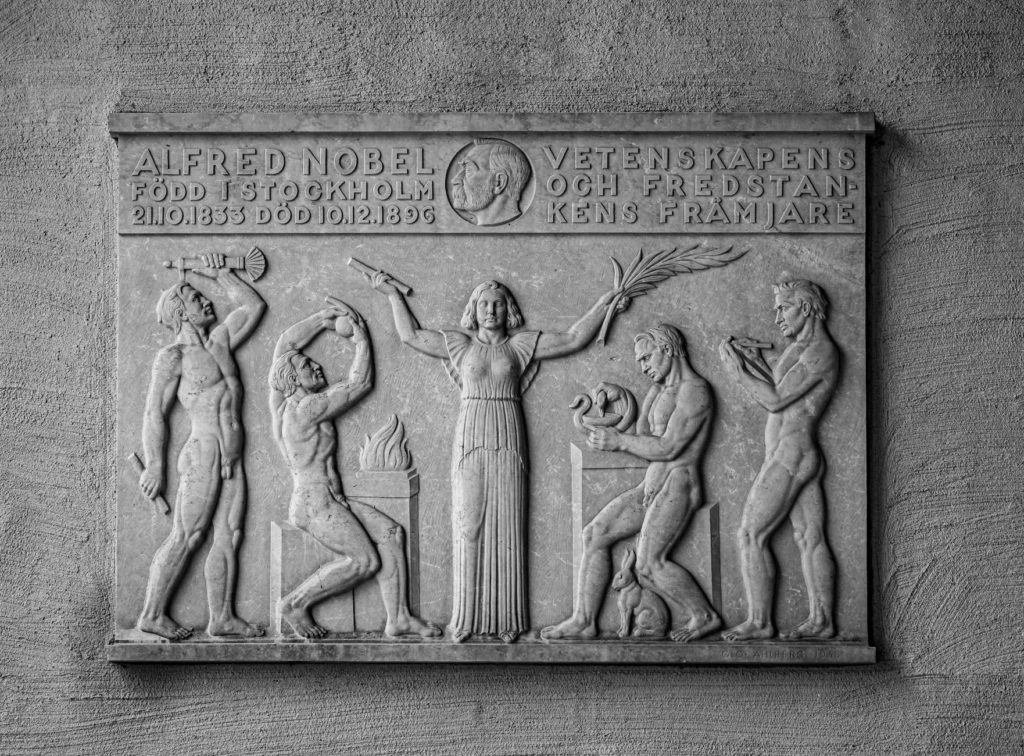
Nobel Prize contenders are in the spotlight today, especially with Indian-origin economist Raj Chetty being a prominent figure. The announcement is highly anticipated.
Who are the Nobel Prize contenders for 2026?
The anticipation surrounding the 2026 Nobel Prize contenders is palpable, particularly with the inclusion of renowned economist Raj Chetty. His groundbreaking work in economic mobility and inequality has positioned him as a leading figure in contemporary economic thought.
Chetty’s research, which combines data analysis with policy implications, has made significant contributions to understanding how socioeconomic factors affect individuals’ opportunities. His innovative approaches have garnered attention from both academia and policymakers alike.
In addition to Chetty, several other economists are being discussed as potential Nobel Prize contenders. They include:
- Esther Duflo – Known for her work in development economics and her role in poverty alleviation research.
- Thomas Piketty – Famous for his analysis of wealth concentration and income inequality.
- Angus Deaton – Recognized for his studies on welfare and poverty measurement.
- Elinor Ostrom – The first woman to win the Nobel Prize in Economic Sciences, celebrated for her work on resource management.
As the announcement approaches, the spotlight remains on Raj Chetty, whose innovative contributions to economics have sparked discussions on his potential as the best choice among the current Nobel Prize contenders.
Raj Chetty’s contributions to economics
Raj Chetty, a prominent economist, has made significant contributions to the field that position him as one of the leading Nobel Prize contenders for 2026. His research primarily focuses on the intersection of economics and public policy, particularly in understanding how economic factors influence social mobility.
One of Chetty’s most acclaimed projects is the Equality of Opportunity Project, which analyzes data to uncover the factors that impact children’s chances of upward mobility. This initiative has provided invaluable insights into how education, family structure, and local environments shape economic outcomes.
Additionally, Chetty’s work on tax policy and its effects on investment and innovation has garnered attention from policymakers. His analysis of the economic implications of tax incentives has been influential in shaping discussions on fiscal policy.
Moreover, Chetty has contributed to understanding the impact of place-based policies on economic disparities. By highlighting the importance of location in economic success, he has opened new avenues for research and policy intervention.
As the 2026 Nobel Prize contenders are evaluated, Raj Chetty’s innovative approaches and profound impact on economic thought make him a strong candidate for the prestigious award.
What makes Raj Chetty a top contender?
Raj Chetty stands out as a leading candidate among the Nobel Prize contenders due to his groundbreaking research in economics that has profoundly influenced public policy. His work focuses on understanding economic mobility and the impact of various factors on individuals’ life trajectories. Here are several reasons why Chetty is considered a top contender:
- Innovative Research: Chetty’s innovative methodologies, including the use of large-scale data sets, have transformed how economists study and interpret economic mobility.
- Real-World Impact: His findings have not only contributed to academic discourse but have also provided actionable insights for policymakers aiming to improve economic outcomes for disadvantaged populations.
- Interdisciplinary Approach: By integrating insights from behavioral economics and education, Chetty’s work bridges multiple fields, making it relevant to a broader audience.
- Influence on Policy: Chetty’s research has influenced significant policy discussions in the United States, particularly regarding taxation, education reform, and social safety nets.
As the announcement for the 2026 Nobel Prize in Economics approaches, many experts believe that Chetty’s unique contributions position him as a strong candidate among the pool of Nobel Prize contenders.
The significance of the Nobel Prize in economics
The Nobel Prize in economics holds significant prestige within the academic and professional realms, as it recognizes groundbreaking contributions that advance our understanding of economic principles and practices. Each year, the selection process for Nobel Prize contenders attracts immense attention, with scholars and economists worldwide speculating on who will be honored for their work.
The importance of the Nobel Prize extends beyond mere recognition; it can profoundly influence the recipient’s career and the broader field of economics. Winning the award not only validates a scholar’s research but also elevates their visibility, potentially leading to increased funding opportunities and collaborations.
Additionally, the Nobel Prize in economics often highlights pressing global issues, bringing attention to areas such as poverty, inequality, and economic policy. By recognizing impactful research, the prize encourages future generations of economists to pursue innovative solutions to complex problems.
In 2026, as we await the announcement of the Nobel Prize in economics, Raj Chetty’s candidacy is particularly noteworthy. His extensive work has not only contributed to academic discourse but has also influenced public policy. The deliberation over Nobel Prize contenders reflects an ongoing dialogue about the role of economics in society and the importance of research that drives meaningful change.
How are Nobel Prize winners selected?
The selection of Nobel Prize winners, particularly in the field of economics, follows a rigorous and meticulous process designed to ensure that the awards are given to the most deserving candidates. Each year, nominations are submitted by a select group of individuals who are qualified to propose candidates, including previous laureates, members of academia, and experts in the field.
Once nominations are collected, the Nobel Committee conducts an extensive review of the candidates’ work. This process involves:
- Evaluation of Contributions: The committee analyzes the significance and impact of each nominee’s research on the field of economics.
- Consultation with Experts: Input from outside experts is sought to gain insights into the nominees’ work and its relevance.
- Deliberation: The committee engages in thorough discussions before making a final decision.
Confidentiality is paramount throughout the selection process, and the identities of the nominees and voters are kept secret for 50 years. This ensures that the deliberations remain unbiased and focused solely on the merit of the work. As we await the announcement for the 2026 Economics Nobel Prize, many are eager to see if Raj Chetty will be recognized among the top contenders for his groundbreaking contributions to economic theory and policy.
Recent trends in economic research
In recent years, economic research has seen a significant shift towards understanding the intricate dynamics of societal issues through the lens of empirical data. This trend is reflected in the work of many Nobel Prize contenders, who increasingly emphasize the importance of rigorous analysis and evidence-based policy recommendations.
One notable trend is the growing focus on inequality and its effects on economic mobility. Researchers are utilizing advanced statistical methods to explore how factors such as education, race, and geography influence individual economic outcomes. This aligns with Raj Chetty’s own research, which highlights the importance of place in determining economic opportunity.
Additionally, there has been a rise in interdisciplinary approaches to economic research. Economists are collaborating with fields such as psychology, sociology, and public health to develop a more comprehensive understanding of human behavior and its economic implications. This integration of diverse perspectives is becoming increasingly vital as global challenges, such as climate change and public health crises, require multifaceted solutions.
As we await the announcement of the 2026 Nobel Prize in Economics, it is evident that the landscape of economic research is evolving. The contributions of current Nobel Prize contenders, including Raj Chetty, are pivotal in shaping future inquiries and policy frameworks that aim to address pressing societal issues.
Public reaction to the Nobel Prize announcement
The announcement of the 2026 Nobel Prize in Economics has sparked a wave of public interest and debate, particularly regarding the top contenders. Raj Chetty, an Indian-origin economist, has emerged as a prominent figure in these discussions, with many experts and citizens weighing in on his potential to secure the prestigious award.
Social media platforms have become a hub for opinions, with numerous users expressing their support for Chetty. Many argue that his innovative research on economic mobility and inequality makes him a deserving candidate. Comments reflect a mix of admiration and anticipation, as people eagerly await the official announcement.
Some notable reactions include:
- Support for Chetty: “Raj Chetty’s work has changed how we view economic disparities,” tweeted one economist.
- Calls for broader recognition: “It’s time we acknowledge those who make real impacts on society,” another user commented.
- Cautious optimism: Some are hesitant, stating that while Chetty is a strong contender, the competition remains fierce.
As the announcement draws near, the excitement around the Nobel Prize contenders continues to grow, with Raj Chetty at the forefront of many discussions. The public’s enthusiasm reflects not only his achievements but also the increasing interest in economics as a field that directly influences people’s lives.
As discussions intensify around the potential nominees, many experts are considering whether Raj Chetty stands out among the Nobel Prize contenders. The impact of his research on economic mobility places him firmly in the conversation of leading Nobel Prize contenders this year.
Photo by Damir K on Pexels
