Trump livestream execution: Is it the right choice?
Trump livestream execution raises questions about ethics and justice.
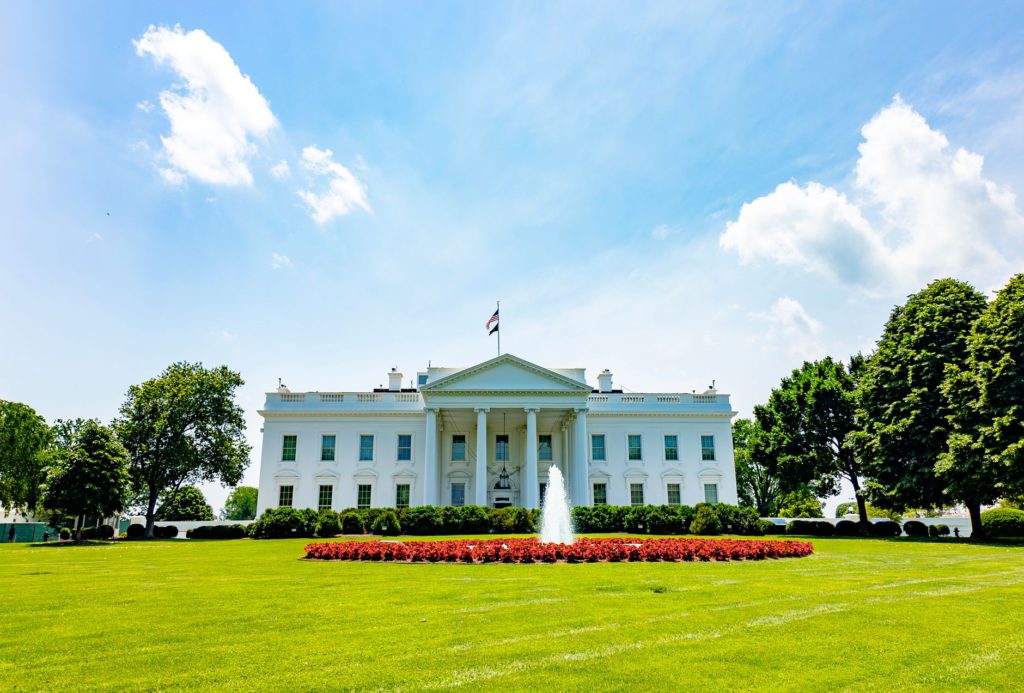
Trump livestream execution is a topic of heated debate as he considers whether to broadcast the execution of Fort Hood shooter Nidal Hasan. This decision could spark significant public discourse.
Background on Nidal Hasan
Nidal Hasan, a former U.S. Army psychiatrist, orchestrated a tragic shooting at Fort Hood, Texas, on November 5, 2009. The attack resulted in the deaths of 13 individuals and left dozens more injured, making it one of the deadliest mass shootings on a military installation in U.S. history. Hasan was subsequently convicted of 13 counts of murder and 32 counts of attempted murder, and he was sentenced to death in 2013.
Hasan’s actions have sparked extensive debate regarding military justice and the implications of his death sentence. Supporters of the death penalty argue that his execution is a necessary step toward justice for the victims and their families. Conversely, opponents raise concerns about the morality of capital punishment and the potential for it to be viewed as a state-sanctioned act of violence.
In a controversial statement, former President Donald Trump indicated that he would consider the option of a Trump livestream execution for Hasan, igniting further discussions on the ethics and public impact of broadcasting such an event. The suggestion raises important questions about the nature of justice, media influence, and the sensitivity surrounding the victims’ families.
Public Reaction to Livestream
The announcement by former President Donald Trump regarding the potential livestream execution of Nidal Hasan has sparked a wide range of reactions from the public. Many are grappling with the ethical implications of broadcasting such a significant event.
Supporters of the idea argue that transparency is vital in matters of justice, especially for a case as notorious as Hasan’s. They believe that a livestream could serve as a powerful reminder of the consequences of terrorism and could provide closure to the victims’ families.
Conversely, opponents express deep concern over the morality of turning a solemn event into a spectacle. They argue that livestreaming the execution could desensitize the public to violence and could infringe upon the dignity of the victims and their families. Additionally, some question the legality and logistics of executing such a plan.
Online platforms have become a battleground for these discussions, with social media users divided over the potential implications of a livestream execution. As the debate continues, many are left wondering if this decision is truly in the best interest of justice or merely a sensationalist move.
Legal Implications of Livestreaming
The potential decision to livestream the execution of Nidal Hasan raises significant legal implications. Livestreaming such a high-profile execution, especially one involving a figure like Hasan, has sparked intense debate among legal experts and civil rights advocates.
One primary concern is First Amendment rights. While the public has a right to access information, the execution of a convicted criminal introduces questions about the appropriateness of broadcasting such an event. Legal scholars argue that allowing a Trump livestream execution could infringe on the dignity of the process and the victims’ families.
Furthermore, there are issues related to privacy rights for those involved in the case, including the families of the victims. Concerns about the potential for sensationalism and the media’s role in shaping public perception are also pertinent.
Additionally, the Eighth Amendment prohibits cruel and unusual punishment, and critics argue that turning an execution into a spectacle could undermine this constitutional protection. As the debate continues, lawmakers may need to consider regulations surrounding the broadcasting of executions to balance public interest with ethical considerations.
Trump’s Decision-Making Process
As discussions surrounding the potential Trump livestream execution of Nidal Hasan gain momentum, analysts are closely examining the decision-making process of the former president. Known for his unconventional approach, Trump has often prioritized public opinion and media impact in his choices.
In this case, several factors are likely influencing his deliberations:
- Public Sentiment: Trump is aware of the polarized views regarding capital punishment and the execution of high-profile criminals. Engaging with the public’s reaction could play a significant role in his final decision.
- Media Coverage: The potential for extensive media attention may be enticing for Trump, as he contemplates how a livestream could shape narratives and influence his political standing.
- Legal Considerations: Trump’s advisors are likely advising him on the legal ramifications of such a decision, considering precedents and ethical concerns surrounding the execution of a notorious figure like Hasan.
Ultimately, Trump’s decision will hinge on balancing public interest with legal and ethical implications, raising questions about the morality and appropriateness of a livestream execution.
The controversial decision to consider a Trump livestream execution has sparked intense debate among legal experts and the public alike. Many are questioning whether a Trump livestream execution aligns with ethical standards and the principles of justice.
Photo by Ramaz Bluashvili on Pexels