Iran Mass Mobilisation Campaign: The Real Impact Uncovered
Iran mass mobilisation campaign explores the reasons behind recent pushes by authorities for widespread participation in national initiatives.
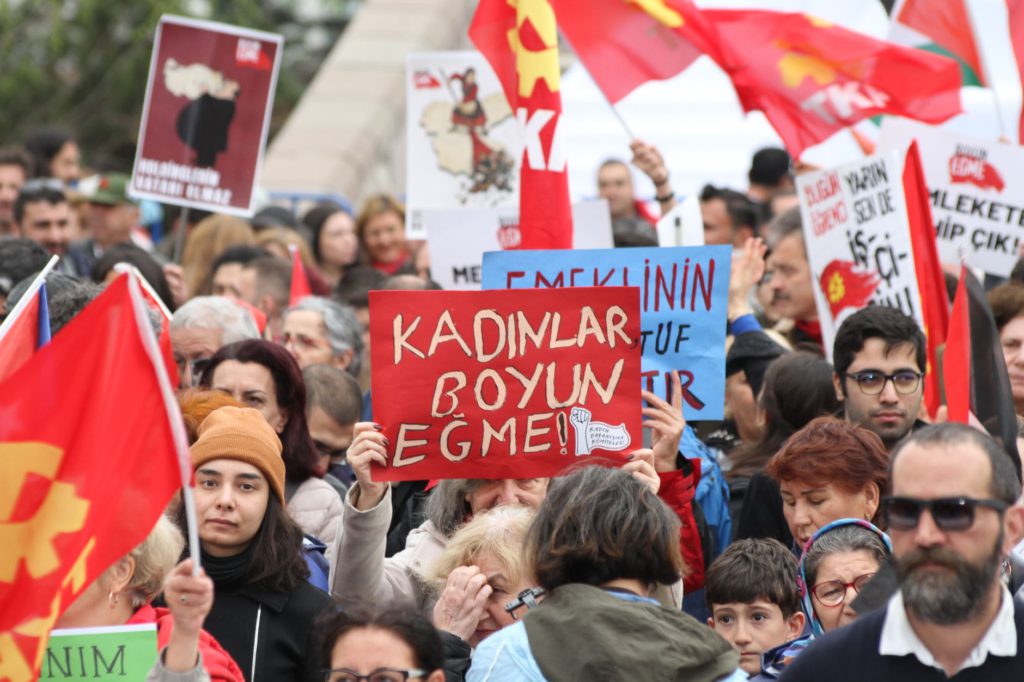
The Iran mass mobilisation campaign has raised questions about the motivations behind authorities’ efforts to engage citizens on a large scale.
Understanding the Iranian Context
The Iranian authorities’ push for a mass mobilisation campaign is rooted in a complex interplay of socio-political factors. Following recent unrest and widespread protests, the government seeks to consolidate its power and reaffirm its control over the populace.
Several key dynamics contribute to this campaign:
- Political Pressure: The regime faces increasing pressure from both internal dissent and external threats, making it imperative to demonstrate strength and unity.
- Economic Challenges: Ongoing economic hardships have prompted a need for collective action to address grievances and distract from the regime’s failures.
- Nationalism: By promoting a sense of nationalism, the authorities aim to rally the public around a common cause, emphasizing unity against perceived foreign adversaries.
- Ideological Goals: The campaign serves to reinforce the ideological commitment of the population to the values of the Islamic Republic, ensuring loyalty amidst dissent.
Overall, the Iran mass mobilisation campaign reflects a strategy to navigate the turbulent landscape of contemporary Iranian society, aiming to bolster the regime’s legitimacy and support.
Historical Background of Mobilisation
The historical background of Iran’s mass mobilisation campaign reveals a complex interplay of political, social, and economic factors that have shaped the country’s approach to mobilization over the years. Since the 1979 Islamic Revolution, the Iranian government has frequently utilized mass mobilization as a tool for consolidating power and rallying public support.
Key events that have influenced this strategy include:
- The Iran-Iraq War (1980-1988): This conflict necessitated a large-scale mobilization of resources and citizens, fostering a culture of national unity and sacrifice.
- Post-war reconstruction: In the aftermath of the war, the government initiated campaigns to rebuild the nation and promote ideological loyalty among the populace.
- Political unrest: Periods of civil discontent, such as the Green Movement in 2009, prompted authorities to increase their focus on mobilization to counter dissent.
In recent years, the current Iranian leadership has intensified its mass mobilisation campaign to maintain control amid economic challenges and external pressures, illustrating the ongoing significance of this approach in Iranian politics.
Key Strategies Used by Authorities
The Iranian authorities have implemented several key strategies in their mass mobilisation campaign to galvanize public support and participation. These tactics are designed to foster a sense of national unity and purpose among citizens.
- Utilization of Social Media: The government has leveraged platforms like Instagram and Telegram to disseminate information quickly, encouraging participation and sharing success stories from previous mobilization efforts.
- Educational Campaigns: Authorities have organized workshops and seminars aimed at educating citizens about the importance of the mass mobilisation campaign, emphasizing its role in national security and economic stability.
- Incentives for Participation: To encourage involvement, the government has offered various incentives, including financial rewards and public recognition for those who actively participate in community projects.
- Partnerships with Local Leaders: Collaborating with influential community figures and local organizations has been crucial in persuading citizens to join the initiative, lending credibility to the campaign.
These strategies reflect the Iranian authorities’ commitment to ensuring the success of their mass mobilisation campaign.
Public Response to the Campaign
The public response to the Iran mass mobilisation campaign has been varied, reflecting a complex interplay of support and skepticism among the populace. Many Iranians see the campaign as a government effort to consolidate power and control, particularly in the wake of recent protests against the regime.
Supporters of the campaign argue that it fosters national unity and a sense of purpose, especially in times of crisis. They believe that participating in such initiatives can strengthen community bonds and enhance national pride. However, detractors express concern that the campaign may be an attempt to divert attention from pressing social and economic issues facing the country.
Key reactions from the public include:
- Increased Participation: Some citizens have joined rallies and volunteer efforts, motivated by a sense of duty.
- Public Skepticism: Others remain wary, questioning the true motivations behind the campaign.
- Social Media Discussions: Online platforms are filled with debates, showcasing both support and criticism.
The duality of responses highlights the complex dynamics within Iranian society as it navigates the implications of the mass mobilisation campaign.
Future Implications for Iran
The Iran mass mobilisation campaign is likely to have significant implications for the nation’s future, particularly in the realms of social dynamics and political stability. As the government intensifies its efforts to rally citizens, several outcomes may emerge.
- Increased Nationalism: The campaign may foster a sense of unity among Iranians, potentially leading to a surge in national pride. This could translate into greater public support for the government in international affairs.
- Political Repression: Conversely, the authorities may leverage this mass mobilization to suppress dissent, further marginalizing opposition voices and reducing the space for political discourse.
- Economic Impact: The focus on mobilization could divert resources from pressing economic needs, exacerbating existing challenges in the economy and leading to increased public discontent.
- Social Fragmentation: As different groups respond to the campaign, there is a risk of deepening societal divides, particularly between those who support the government and those who oppose it.
Overall, the implications of the ongoing campaign will be complex, shaping both the immediate and long-term future of Iran.
The Iran mass mobilisation campaign has sparked widespread debate among political analysts and citizens alike. As the campaign unfolds, its real impact on the socio-political landscape of Iran is becoming increasingly evident.
Photo by Özkan Öztaş on Pexels
Where this came from
Related reading
Drones Target Moscow: The Worst Proven Threat to Elections · Asian Games India schedule: What are the best events today? · Obstetrical dilemma and sex: The Real Impact Explained