Drones Target Moscow: The Worst Proven Threat to Elections
Drones target Moscow during elections, raising concerns about security and safety in the city.
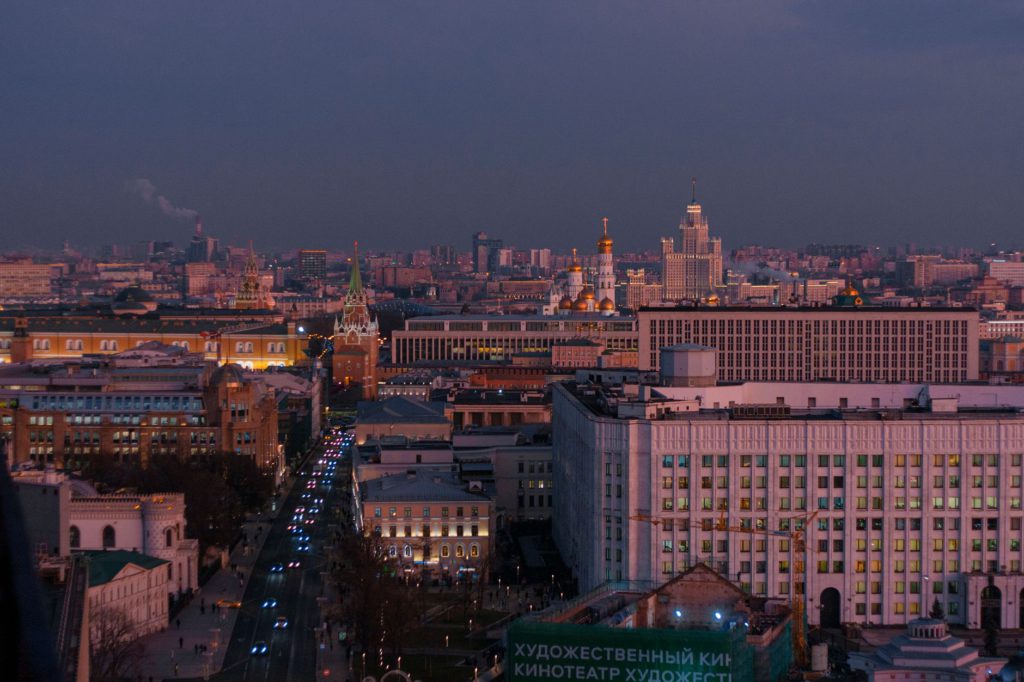
Drones target Moscow as the city faces unprecedented challenges on election day. This event highlights the growing tensions and security risks associated with the ongoing political climate.
Overview of the Drone Attack
On the final day of Russian elections, the city of Moscow experienced an unprecedented wave of drone activity, raising alarms among officials and citizens alike. Hundreds of drones target Moscow, marking a significant escalation in the use of unmanned aerial vehicles in political contexts. Witnesses reported seeing drones flying over key locations, including government buildings and polling stations, which heightened security concerns.
The implications of this aerial assault extend beyond mere disruption; they pose a serious threat to the integrity of the electoral process. Many analysts argue that such tactics aim to instill fear and uncertainty among voters, potentially influencing turnout and the overall results of the elections. The drones appeared to be equipped with surveillance technology, adding to the unease as citizens questioned their privacy and safety.
In response, authorities swiftly deployed countermeasures, including jamming signals and mobilizing air defense units to monitor the skies. However, the effectiveness of these strategies remains uncertain. As the dust settles, the incident has sparked a heated debate about the future of election security in Russia and the role of drones in shaping political landscapes around the world.
Impact on Russian Elections
The recent drone attacks have raised serious concerns regarding the integrity of the electoral process in Russia. As hundreds of drones target Moscow on the final day of Russian elections, the implications for voter confidence and security cannot be overlooked. Observers fear that such unprecedented actions could deter citizens from participating in the democratic process.
Several key factors illustrate the potential impact of these drone strikes:
- Voter Turnout: Reports suggest that many citizens chose to stay home due to safety concerns, leading to a significant drop in voter turnout compared to previous elections.
- Election Integrity: The presence of drones targeting Moscow creates an atmosphere of uncertainty, prompting questions about the legitimacy of the electoral outcomes.
- Political Repercussions: The government may face increased pressure to address security measures, which could lead to heightened restrictions and surveillance during future elections.
- International Relations: The drone incidents have attracted global attention, potentially affecting Russia’s diplomatic relationships with other nations.
As the dust settles, the long-term ramifications of these attacks on the legitimacy of Russian elections will likely continue to unfold, raising critical questions about the future of democracy in the region.
Security Measures in Place
In response to the recent surge of incidents where drones target Moscow, authorities have implemented several security measures designed to protect the integrity of the electoral process. These precautions aim to mitigate risks and enhance public safety during critical voting periods.
The following measures have been introduced:
- Increased Surveillance: Authorities have deployed advanced surveillance systems throughout the city, utilizing both ground and aerial monitoring to detect any unauthorized drone activity.
- Restricted Airspace: The airspace over Moscow has been strictly controlled, with significant penalties for unauthorized drone operations, ensuring that no drone can interfere with the elections.
- Public Awareness Campaigns: Officials are informing the public about the potential risks associated with drones and encouraging citizens to report any suspicious activity.
- Coordination with Security Forces: Intelligence agencies and law enforcement are collaborating closely to respond quickly to any drone threats, ensuring a rapid and effective response to potential incidents.
These measures reflect a growing concern over the use of drones as a tactic in political disruptions, emphasizing the need for robust security protocols during critical events like elections.
Public Reaction to Drone Incidents
As news of the drone incidents spread, public reaction in Moscow has been a mix of fear and defiance. Many citizens expressed concern over the escalating drone activity targeting the city, particularly on such a significant day as the final day of Russian elections. The use of drones has been perceived not just as a threat to security but also as a challenge to the integrity of the electoral process.
Social media platforms have been abuzz with discussions and opinions, with users sharing their fears about the implications of drones targeting Moscow. Some residents voiced their frustrations, feeling that the government has not adequately protected them from such threats. Others, however, showed a sense of resilience, emphasizing the importance of continuing to participate in the democratic process despite the danger.
In response to the incidents, several public figures have called for stronger measures to ensure the safety of citizens during elections. Political analysts argue that these drone events could lead to stricter regulations and heightened security protocols in the future. As the public grapples with the reality of drones in their airspace, the long-term effects on public trust in the electoral system remain to be seen.
Historical Context of Drones in Warfare
The use of drones in warfare has evolved significantly over the past two decades, becoming a pivotal tool for military operations worldwide. Initially developed for reconnaissance, these unmanned aerial vehicles have transitioned into offensive weapons, changing the landscape of conflict. Early adopters, including the United States, demonstrated their potential in various military engagements, showcasing not only their ability to gather intelligence but also to conduct targeted strikes.
In recent years, the proliferation of drones has prompted concerns about their deployment in domestic settings, particularly in political contexts. Drones targeting Moscow during critical events, such as elections, highlight this troubling trend. The accessibility of drone technology has lowered the barriers for non-state actors and adversaries to launch attacks, raising alarms about the implications for national security.
Countries around the globe have grappled with the challenges of integrating drone warfare into their defense strategies. The historical context shows that as drones become more sophisticated and widespread, their role in disrupting political processes is likely to increase. This evolution presents a unique challenge for governments, necessitating enhanced security measures to protect vital democratic institutions and ensure public safety during election periods.
Government Response to Threats
The Russian government has intensified its response to the escalating threat posed by drone attacks, particularly in light of recent incidents where hundreds of drones targeted Moscow on the final day of Russian elections. Authorities have implemented several measures aimed at protecting both the electoral process and the nation’s capital.
In an official statement, government officials emphasized the need for heightened vigilance against drone incursions. Key actions include:
- Increased Surveillance: The installation of advanced monitoring systems across Moscow to detect and intercept unauthorized drones.
- Enhanced Military Readiness: Mobilization of military units equipped with anti-drone technology to respond promptly to any aerial threats.
- Public Awareness Campaigns: Initiatives aimed at educating citizens about reporting suspicious drone activity and understanding the implications of these threats.
Additionally, the government is working closely with technology firms to develop more effective counter-drone solutions. Experts believe that the use of drones targeting Moscow represents a significant challenge that could influence future election security measures. As the situation evolves, it remains to be seen how these strategies will shape public confidence in the electoral process.
Future of Drone Technology
The future of drone technology is poised for significant transformation, particularly in the context of urban warfare and political stability. As demonstrated by the recent incident where hundreds of drones targeted Moscow on the final day of Russian elections, the capabilities of drones are evolving rapidly. These unmanned aerial vehicles are becoming increasingly sophisticated, allowing for more precise targeting and surveillance, which raises concerns about their use in politically sensitive environments.
The potential applications of drones extend beyond military operations; they are now being integrated into various sectors, including logistics, agriculture, and even law enforcement. However, the dual-use nature of drone technology presents challenges for governments worldwide. The ability of drones to disrupt critical infrastructure and influence public sentiment, as seen in Moscow, underscores the urgent need for robust regulatory frameworks.
Furthermore, advancements in drone technology may lead to the development of counter-drone systems designed to neutralize threats effectively. As nations grapple with the implications of such advancements, it is clear that the role of drones in both warfare and social unrest will continue to evolve, making their regulation and oversight imperative for ensuring national security.
International Reactions to Moscow Drones
International reactions to the recent drone attacks targeting Moscow have been swift and varied, reflecting the global concern over the implications for security and electoral integrity. Many world leaders expressed their condemnation of the drone strikes, viewing them as a significant escalation in the ongoing conflict.
Countries in the West, particularly those in NATO, have voiced solidarity with Russia while urging for a diplomatic resolution to the conflicts contributing to such aggressive tactics. U.S. Secretary of State Antony Blinken stated that any efforts to undermine democratic processes should be met with international scrutiny.
- United Kingdom: The UK government has called for an immediate ceasefire and has condemned the use of drones as a method of intimidation.
- European Union: EU officials expressed concern over the threat posed by drones, emphasizing the need for enhanced security measures during elections.
- China: China’s response was more reserved, urging all parties to exercise restraint and focus on dialogue.
As the situation continues to evolve, experts warn that the use of drones targeting Moscow could set a dangerous precedent, potentially influencing future conflicts and election integrity around the world.
The recent surge in cyber attacks has raised concerns about how drones target Moscow and influence public opinion. Experts warn that as drones target Moscow, the integrity of future elections could be jeopardized.
Photo by Oleg Prachuk on Pexels
Where this came from
You might also like
Asian Games India schedule: What are the best events today? · Obstetrical dilemma and sex: The Real Impact Explained · BCCI Indian teams: Proven strategies for success