Russian missiles in Poland: NATO’s clear violation response
Russian missiles in Poland raise tensions as NATO calls it a violation during nearby military drills.
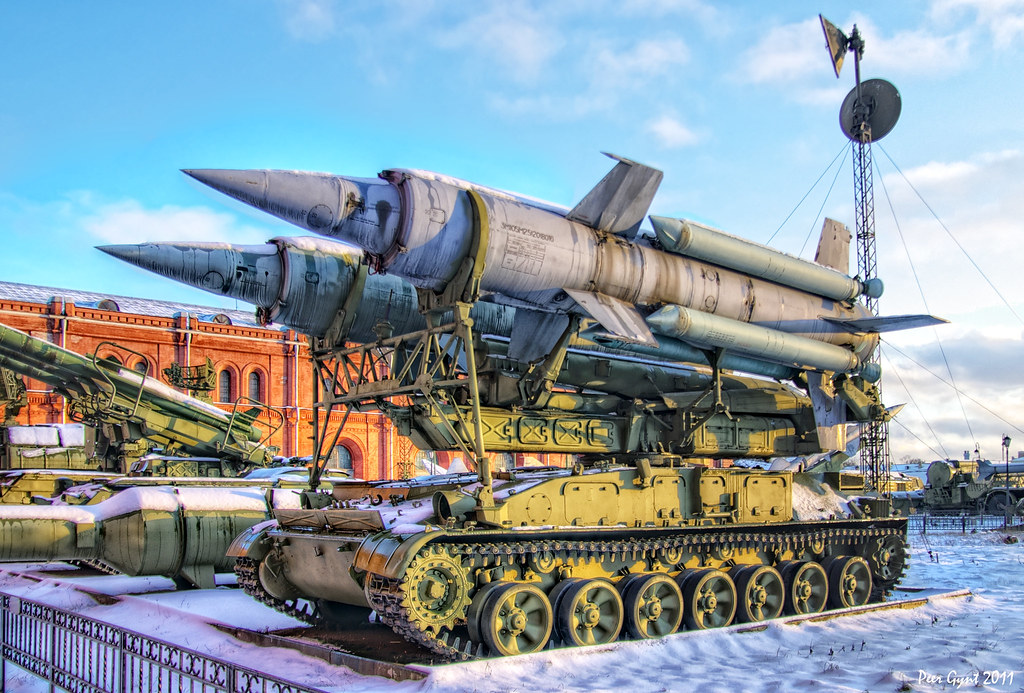
Russian missiles in Poland have escalated tensions in Europe, prompting NATO to label the incident a clear violation. This event coincided with military drills taking place in the region, raising concerns about security and stability.
Overview of the Incident
Recent reports indicate a significant escalation in tensions between Russia and NATO member states following an incident involving Russian missiles in Poland. On a day when European nations were engaged in military drills, several missiles reportedly landed within Polish territory, raising alarms among military officials and government leaders alike.
The incident has been characterized by NATO as a clear violation of Polish sovereignty and international law. In response to the missile strikes, NATO officials convened an emergency meeting to assess the situation and formulate a unified response. The presence of Russian missiles in Poland is particularly alarming, as it underscores the ongoing military posturing between Russia and Western powers.
Several key factors have emerged from the incident:
- Increased Military Tensions: The missiles’ landing occurred close to ongoing military exercises, highlighting the precarious nature of security in the region.
- Political Repercussions: Polish leaders have expressed outrage, calling for immediate diplomatic measures to address the violation.
- NATO’s Stance: Member nations are rallying around Poland, emphasizing the need for collective defense mechanisms in response to acts of aggression.
The incident serves as a stark reminder of the fragile balance of power in Eastern Europe and the potential for conflict as military operations continue in the region.
NATO’s Response to Missile Strikes
NATO has swiftly condemned the recent incident involving Russian missiles in Poland, calling it a significant violation of international norms. The alliance convened an emergency meeting to discuss the implications of the missile strikes, emphasizing the need for a unified response. NATO Secretary-General Jens Stoltenberg stated that such actions threaten the security of not just Poland, but the entire region.
During the meeting, member countries expressed their solidarity with Poland and reiterated their commitment to collective defense under Article 5 of the NATO Treaty. Stoltenberg highlighted that the alliance’s response would be measured but resolute, with discussions focusing on enhancing military readiness in Eastern Europe.
The potential for escalation has raised concerns among NATO leaders, prompting calls for increased surveillance and defense capabilities in member states bordering Russia. In addition to military measures, diplomatic channels are being explored to address the situation and ensure that such violations do not occur in the future.
As NATO countries prepare for a coordinated response, analysts warn that the geopolitical landscape may shift significantly. The stakes are high, and the international community is closely monitoring the developments. The incident illustrates the fragility of security in Europe and the importance of maintaining a robust defensive posture against potential threats.
Impact on European Security
The recent incident involving Russian missiles in Poland has raised significant concerns about the stability of European security. The missiles, which landed in a Polish region, have intensified fears of escalating tensions between NATO and Russia. As Europe grapples with the implications, the situation has underscored the delicate balance of power on the continent.
NATO’s immediate response highlighted the alliance’s commitment to collective defense, yet this incident may have broader implications. The following points summarize the potential impact on European security:
- Heightened Military Readiness: NATO member states may increase military readiness, potentially leading to more frequent and larger-scale military exercises in Eastern Europe.
- Increased Tensions: The incident can exacerbate existing tensions between NATO and Russia, possibly leading to an arms race or confrontational posturing along the borders.
- Impact on Defense Policies: European nations may reassess their defense strategies, including increased spending and bolstering air defenses to deter future threats.
- Diplomatic Strain: The situation complicates diplomatic relations, as discussions surrounding arms control and de-escalation efforts may stall.
As NATO navigates this complex landscape, the ramifications of the Russian missiles in Poland will likely influence security policies and military strategies across Europe for the foreseeable future.
Details of Military Drills Nearby
The recent deployment of Russian missiles in Poland has heightened tensions across Europe, particularly as NATO member states conducted military drills in neighboring regions. These exercises, which were designed to showcase military readiness and cooperation among allied nations, coincided with the alarming incidents involving the missiles, raising concerns about the implications for regional security.
During the drills, NATO forces engaged in various tactical scenarios aimed at enhancing interoperability and response capabilities. The exercises included:
- Joint Air Defense Operations: Military units practiced coordinated responses to aerial threats, emphasizing the importance of rapid reaction in case of an escalation.
- Land Maneuvers: Troops conducted ground operations to simulate defense against potential incursions, underscoring the need for preparedness in the face of increased aggression.
- Cybersecurity Training: Participants focused on safeguarding communication networks, recognizing that modern warfare extends beyond conventional battlefields.
With Russian missiles in Poland now a reality, NATO’s drills serve as a stark reminder of the volatile situation in Eastern Europe. The alliance’s commitment to collective defense remains strong, but the juxtaposition of military exercises and missile deployments highlights the precarious balance of power in the region. As tensions mount, the world watches closely for any further developments that could escalate the conflict.
Historical Context of Russia-Poland Relations
The historical context of Russia-Poland relations is marked by a series of conflicts and geopolitical tensions that have shaped their interactions over the decades. Since the fall of the Soviet Union, Poland has sought to strengthen its ties with Western Europe and NATO, often viewing Russia with skepticism and concern.
Key events in their tumultuous history include:
- The Partitions of Poland: In the late 18th century, Poland was divided among Russia, Prussia, and Austria, leading to a loss of sovereignty that lasted over a century.
- The Soviet Influence: After World War II, Poland fell under Soviet influence, resulting in decades of communist rule that many Poles sought to escape.
- The Solidarity Movement: In the 1980s, the rise of the Solidarity movement was a significant factor in resisting Soviet control and promoting democratic reforms in Poland.
- NATO Membership: Poland joined NATO in 1999, solidifying its commitment to Western alliances and further straining its relationship with Russia.
These historical events have laid the groundwork for current tensions, exemplified by the recent incident involving Russian missiles in Poland. The perception of Russia as a threat continues to influence Poland’s foreign policy and security strategies.
The deployment of Russian missiles in Poland has raised significant concerns among NATO members regarding regional security. As tensions escalate, the alliance’s clear violation response aims to reinforce collective defense measures in Eastern Europe.
By Peer.Gynt via Openverse