Is the Samajwadi Party Rath Yatra the Best Challenge to BJP?
Samajwadi Party Rath Yatra is launching in Gorakhpur to challenge BJP’s dominance. What does this mean for the political landscape?
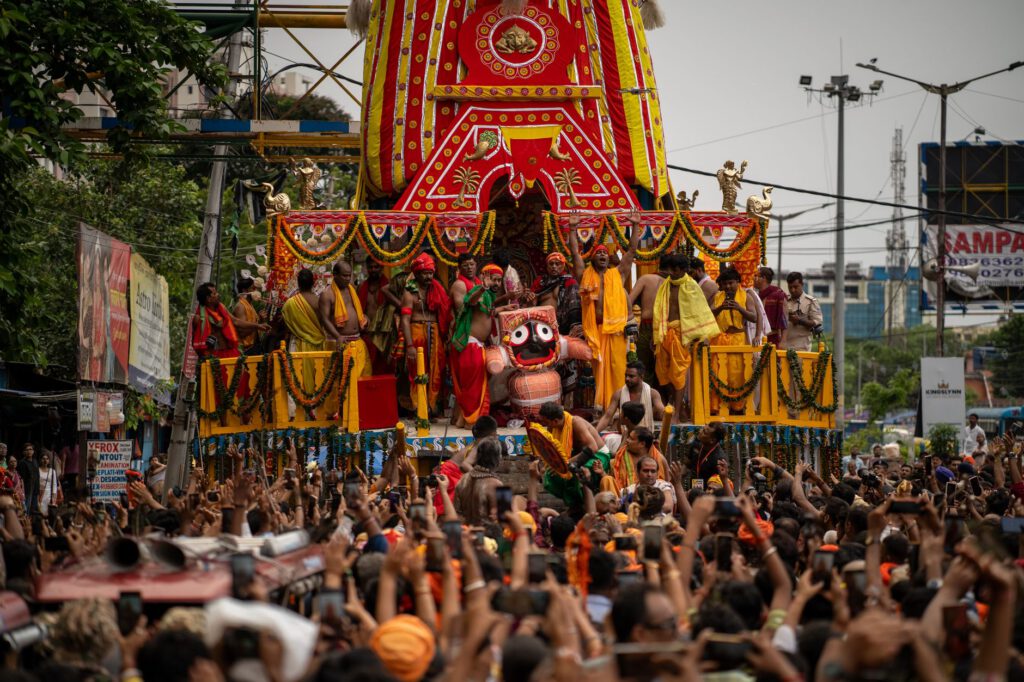
The Samajwadi Party Rath Yatra is set to launch in Gorakhpur, directly challenging the BJP’s hold on the region. This move could reshape the political dynamics ahead of upcoming elections.
Overview of the Rath Yatra
The Samajwadi Party Rath Yatra has been launched in Gorakhpur, marking a significant move in the party’s strategy to challenge the BJP’s dominance in Uttar Pradesh. This ambitious initiative aims to connect with the electorate and mobilize support ahead of upcoming elections.
The Rath Yatra is designed to traverse various districts, spreading the party’s message and highlighting issues that resonate with the public. Key objectives of the yatra include:
- Engagement: Establishing a direct dialogue with constituents to understand their concerns.
- Awareness: Raising awareness about the achievements of the Samajwadi Party and its vision for the future.
- Unity: Fostering unity among different communities and castes to build a broad coalition against the BJP.
Party leaders believe that the Rath Yatra will serve as an effective platform to showcase their policies and counter the narrative set by the ruling party. With the BJP’s stronghold in the region, the success of the Samajwadi Party Rath Yatra could redefine the political landscape and invigorate the party’s base.
Key Objectives of the Yatra
The Samajwadi Party Rath Yatra is designed with several key objectives that aim to strengthen the party’s position against the ruling BJP. These objectives include:
- Mobilizing Support: The yatra seeks to gather grassroots support from various sections of society, particularly focusing on farmers, youth, and the marginalized communities.
- Highlighting Failures: It aims to bring attention to the perceived shortcomings of the BJP government, particularly in areas such as unemployment, inflation, and agrarian distress.
- Building Unity: The Samajwadi Party is also focused on uniting opposition forces to create a formidable front against the BJP, fostering alliances with like-minded parties.
- Strengthening Party Cadre: The Rath Yatra serves as a platform to energize and mobilize party workers, ensuring that they are well-prepared for upcoming elections.
- Enhancing Visibility: By conducting the Rath Yatra in significant locations like Gorakhpur, the party aims to enhance its visibility and connect with voters on a personal level.
Overall, the Samajwadi Party Rath Yatra represents a strategic approach to challenge BJP’s longstanding dominance in the region, seeking to rally support and build a cohesive opposition.
Impact on BJP’s Influence
The Samajwadi Party Rath Yatra aims to significantly impact the political landscape in Uttar Pradesh, particularly challenging the BJP’s influence in the region. As the Yatra progresses, it has become increasingly evident that the Samajwadi Party is attempting to galvanize support among various demographic groups, including youth, farmers, and marginalized communities.
The party’s strategy focuses on addressing key issues such as unemployment, inflation, and social justice, which resonate with the electorate disillusioned by the ruling government. The Rath Yatra serves not only as a means to rally supporters but also as a platform to highlight the perceived failures of the BJP’s governance.
- The Yatra has witnessed large gatherings, showcasing the potential resurgence of the party.
- Leaders from the Samajwadi Party have emphasized the importance of unity among opposition parties to effectively counter the BJP.
- Analysts suggest that this grassroots movement could potentially disrupt the BJP’s narrative and electoral strategies.
In conclusion, the impact of the Samajwadi Party Rath Yatra on BJP’s influence remains to be fully seen, but the early signs indicate a renewed vigor in opposition politics that could alter the dynamics of the upcoming elections.
Public Reaction to the Initiative
The launch of the Samajwadi Party Rath Yatra in Gorakhpur has elicited a diverse range of reactions from the public and political analysts alike. Many supporters of the Samajwadi Party view the initiative as a bold move to challenge the BJP’s dominance in the region.
Among the enthusiastic supporters, there is a palpable sense of hope. They believe that the Rath Yatra will galvanize grassroots support and bring attention to local issues that have been overlooked by the ruling party. One supporter stated, “This Yatra is a sign that we are ready to stand up against the BJP’s narrative.”
However, not all reactions have been positive. Critics argue that the Samajwadi Party’s Rath Yatra may not resonate with voters who prioritize stability over political theatrics. A local analyst commented, “While the initiative is aimed at uniting the opposition, it risks being seen as just another political stunt.”
- Supporters feel hopeful about grassroots engagement.
- Critics express concerns over the effectiveness of the initiative.
- Political analysts are divided on the potential impact on upcoming elections.
As the Yatra progresses, the true test will be whether it can effectively shift public sentiment against the BJP.
Historical Context of Rath Yatras
The concept of Rath Yatras holds significant historical importance in Indian politics, often serving as a powerful tool for mobilizing support and generating public enthusiasm. The Samajwadi Party Rath Yatra draws inspiration from earlier movements that utilized similar strategies to galvanize the masses. One of the most notable Rath Yatras in history was initiated by the Bharatiya Janata Party (BJP) in the early 1990s, which played a crucial role in shaping its identity and expanding its voter base.
These yatras typically involve a procession led by a prominent leader, often accompanied by party loyalists and volunteers, traveling across various regions to engage with voters directly. The format not only enhances visibility but also allows for the dissemination of political messages in a more personal manner.
Historically, Rath Yatras have been perceived as a grassroots strategy, aimed at connecting with the electorate. The Samajwadi Party Rath Yatra seeks to replicate this success by addressing local issues and presenting an alternative narrative to the current political landscape dominated by the BJP. By invoking historical precedents, the Samajwadi Party aims to energize its base and create a formidable challenge to the ruling party ahead of the upcoming elections.
Political Implications for 2024
The Samajwadi Party Rath Yatra has significant political implications as the 2024 elections approach. By launching this initiative, the party aims to consolidate its support base and expand its reach among undecided voters, particularly in Uttar Pradesh, where the BJP has maintained a stronghold. The Yatra symbolizes a direct challenge to the ruling party’s dominance and attempts to resurrect the Samajwadi Party’s relevance in a changing political landscape.
As the Yatra progresses, it is expected to galvanize grassroots support and foster a sense of unity among various caste and community groups traditionally aligned with the Samajwadi Party. This could potentially disrupt the BJP’s voter base and create opportunities for alliances with other regional parties.
Moreover, the Rath Yatra serves as a platform for the Samajwadi Party to articulate its vision and policies, which may resonate with voters dissatisfied with the BJP’s governance. Key issues such as unemployment, inflation, and social justice are likely to be amplified during the campaign, reflecting the party’s commitment to addressing local concerns.
Ultimately, the success of the Samajwadi Party Rath Yatra could redefine the electoral dynamics in Uttar Pradesh and pose a formidable challenge to the BJP in the upcoming elections.
Analysis of Voter Sentiment
As the Samajwadi Party Rath Yatra gains momentum, voter sentiment appears to be shifting in response to the party’s initiatives. Political analysts have noted a marked increase in engagement among traditionally apathetic voter demographics, particularly younger voters and first-time electors.
Several factors contribute to this evolving sentiment:
- Increased Visibility: The Rath Yatra has generated significant media coverage, allowing the Samajwadi Party to present its vision directly to the electorate.
- Emphasis on Local Issues: By addressing local concerns such as unemployment, education, and healthcare, the party has resonated with voters who prioritize regional problems over national narratives.
- Community Engagement: The Rath Yatra has fostered a sense of unity among supporters, with local events encouraging grassroots participation and mobilization.
- Counter-Narrative to BJP: The initiative serves as a direct challenge to BJP’s dominance, allowing the Samajwadi Party to position itself as a viable alternative to the ruling party.
Overall, the Samajwadi Party Rath Yatra may not only influence immediate voter behavior but could also redefine political alliances and strategies leading into the 2024 elections.
Future of Samajwadi Party
The future of the Samajwadi Party appears to be increasingly intertwined with the success of the Samajwadi Party Rath Yatra. As the party seeks to position itself as a formidable contender against the ruling BJP, this initiative could redefine its political landscape. With a focus on grassroots mobilization, the Yatra aims to engage voters directly, addressing their concerns and aspirations.
Key factors influencing the Samajwadi Party’s future include:
- Leadership Dynamics: The impact of party leadership on rallying support and maintaining unity among party ranks.
- Electoral Strategy: Effectiveness of the Rath Yatra in translating public enthusiasm into votes during the upcoming elections.
- Coalition Building: Opportunities for alliances with other regional parties to strengthen its position against the BJP.
- Policy Initiatives: The party’s ability to present compelling alternatives to BJP’s policies that resonate with voters.
Ultimately, the Samajwadi Party’s future hinges on its ability to sustain momentum generated by the Rath Yatra, adapting its strategies to the evolving political landscape while capturing the hearts of the electorate.
Photo by Suriyadip Das on Pexels