New Iran Deal: Proven Strategies for Diplomatic Success
New Iran deal insights reveal proven strategies for diplomatic success.
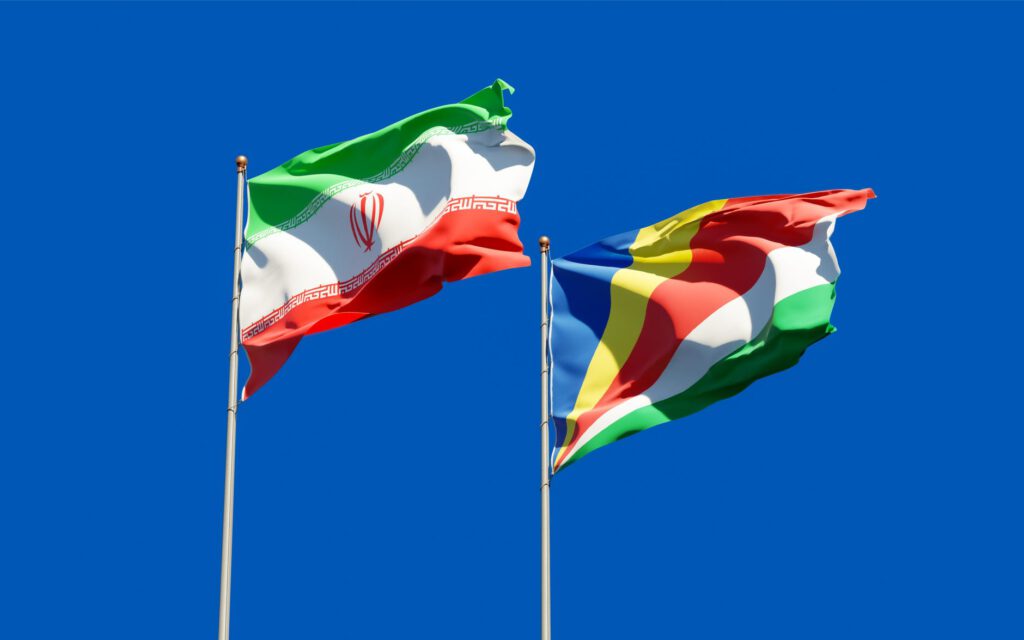
The new Iran deal is generating significant attention as Vance leads behind-the-scenes efforts to reshape diplomatic relations. This initiative could change the landscape of international negotiations.
What is the New Iran Deal?
The new Iran deal represents a significant step in diplomatic efforts aimed at addressing long-standing tensions between Iran and the international community. This proposed agreement seeks to curtail Iran’s nuclear ambitions while providing economic relief and fostering regional stability. Key components of the deal include limitations on uranium enrichment, increased transparency through inspections, and the potential for sanctions relief contingent upon compliance.
Negotiations have been complex, involving multiple stakeholders and various geopolitical considerations. The role of influential diplomats, such as Vance, has been pivotal in navigating these discussions. Many experts argue that a successful deal could lead to enhanced security in the Middle East and prevent nuclear proliferation.
Supporters of the new Iran deal emphasize the importance of diplomacy over military intervention, advocating for a collaborative approach to resolving conflicts. Conversely, critics raise concerns about the effectiveness of the deal in ensuring Iran’s adherence to its commitments.
Ultimately, the success of the new Iran deal will depend on sustained dialogue, trust-building measures, and the willingness of all parties to engage in constructive negotiations.
Key Players in the Negotiation
In the ongoing discussions surrounding the new Iran deal, several key players have emerged, each bringing unique perspectives and strategies to the negotiation table. These individuals and groups are crucial in shaping the future of diplomatic relations with Iran.
- U.S. Diplomatic Team: Led by seasoned negotiators, this team aims to balance national security concerns with the need for a comprehensive agreement. Their focus is on ensuring compliance with nuclear regulations while addressing regional stability.
- Iranian Officials: Representing the Iranian government, these officials are advocating for the lifting of sanctions and the recognition of their rights under international law. Their approach is often shaped by domestic pressures and economic needs.
- European Union Representatives: Acting as mediators, the EU plays a vital role in facilitating communication between the U.S. and Iran. They aim to foster a collaborative environment to achieve a lasting resolution.
- Regional Allies: Countries in the Middle East, particularly Saudi Arabia and Israel, are closely monitoring the negotiations, as their security interests are deeply intertwined with the outcome of the new Iran deal.
Each of these players contributes to a complex tapestry of interests and objectives, making the path to a successful agreement challenging yet essential.
Vance’s Role in the Process
In the intricate landscape of international relations, Vance has emerged as a pivotal figure in the quest for a new Iran deal. His expertise in diplomacy has allowed him to navigate the complexities of negotiations, fostering communication between conflicting parties. Vance’s approach emphasizes the importance of building trust and understanding among key stakeholders, which has proven essential in the ongoing discussions.
Vance has been advocating for strategies that focus on cooperation rather than confrontation. His efforts include:
- Engagement with allies: Vance has worked tirelessly to ensure that allied nations are aligned in their goals regarding Iran, creating a united front that strengthens the negotiating position.
- Backchannel communications: Utilizing discreet channels, Vance has facilitated dialogues that allow for candid discussions, helping to diffuse tensions.
- Incorporating diverse perspectives: By bringing in various stakeholders, Vance aims to address concerns that may hinder progress towards a new Iran deal.
Through these efforts, Vance has played an instrumental role in redefining the narrative around diplomatic engagements with Iran, emphasizing that success hinges on collaboration and strategic dialogue.
Potential Impact on Global Politics
The potential impact of the new Iran deal on global politics is significant and multi-faceted. By addressing longstanding concerns surrounding Iran’s nuclear program, the agreement could foster a more stable Middle East, ultimately influencing geopolitical dynamics.
One of the primary effects of a successful new Iran deal would be the reduction of tensions between Iran and Western nations. This could lead to:
- Increased Cooperation: A successful diplomatic outcome may encourage collaborative efforts on regional security and economic development.
- Shift in Alliances: Countries in the region might reassess their alliances, responding to a changing landscape where Iran is more integrated into the international community.
- Impact on Energy Markets: A stable Iran could lead to fluctuations in oil prices, affecting global markets and economies.
Moreover, progress made through the new Iran deal might serve as a blueprint for future negotiations involving other contentious issues, demonstrating that diplomacy can yield substantial results. As stakeholders analyze the implications, the ripple effects on global politics will unfold, making the outcome vital for international relations.
Challenges Facing the New Deal
The negotiations for the new Iran deal are fraught with challenges that could complicate its success. A primary concern is the opposition from various factions within Iran, which may hinder the government’s ability to commit to an agreement. Many hardliners view concessions as a sign of weakness, making it difficult for the leaders to navigate the internal political landscape.
Additionally, regional tensions play a significant role in shaping the negotiations. The involvement of neighboring countries, such as Israel and Saudi Arabia, adds layers of complexity, as these nations may perceive the new Iran deal as a direct threat to their security and interests. Their potential efforts to undermine the agreement could lead to further instability in the region.
Furthermore, international perceptions of Iran’s intentions remain a significant obstacle. Skepticism from Western nations, particularly the United States, about Iran’s nuclear ambitions can lead to hesitancy in making concessions. Until these challenges are addressed, the path to a successful new Iran deal will remain uncertain.
Public Opinion on the Iran Deal
Public opinion on the new Iran deal is divided, reflecting a complex tapestry of perspectives among various stakeholders. Many citizens express apprehension about the implications of such agreements on national security, while others advocate for diplomatic approaches to foster peace.
According to recent surveys, a significant portion of the population believes that:
- Negotiations are essential: A majority feel that engaging with Iran through dialogue could lead to a more stable Middle East.
- Concerns about trust: Many remain skeptical about Iran’s commitment to uphold its end of the deal, fearing that past violations might repeat.
- Economic considerations: Some supporters argue that lifting sanctions could provide economic relief for both Iran and the West, benefiting global markets.
In contrast, opponents of the new Iran deal emphasize the risk of enabling Iran’s nuclear ambitions, arguing that any concessions could jeopardize long-term security. As the negotiations progress, public sentiment will likely continue to evolve, shaped by emerging developments and the effectiveness of diplomatic efforts.
Comparing Past and Present Deals
In analyzing the new Iran deal, it is essential to compare it with previous agreements to understand the evolution of diplomatic strategies. Past deals, such as the 2015 Joint Comprehensive Plan of Action (JCPOA), aimed primarily at curbing Iran’s nuclear ambitions in exchange for sanctions relief. However, the JCPOA faced significant backlash and ultimately unraveled when the United States withdrew in 2018.
Today, the dynamics have shifted due to various geopolitical factors. The following points illustrate these differences:
- Broader Scope: The new Iran deal aims to encompass not only nuclear issues but also regional security and missile programs.
- Increased Involvement: More nations are participating in negotiations, reflecting a collective international effort.
- Public Engagement: There is a concerted effort to involve public opinion in the negotiation process, differing from the more secretive past deals.
- Adaptive Strategies: The current approach incorporates lessons learned from previous agreements, emphasizing flexibility and ongoing dialogue.
These comparisons reveal how the new Iran deal seeks to address past shortcomings while fostering a more comprehensive and sustainable diplomatic solution.
Future Prospects for Diplomacy
The potential for a new Iran deal raises important questions about the future of diplomacy in the region. As negotiations progress, several factors will influence the success and sustainability of any agreement.
First, the commitment of key players to uphold the terms of the deal is crucial. This includes:
- The United States: The Biden administration’s willingness to engage with Iran and provide concessions could set a positive tone.
- Iran: Iran’s response to international demands and its adherence to compliance will be a determining factor.
- Allied Nations: The involvement of European and Middle Eastern partners will add complexity and support to the negotiations.
Additionally, public opinion both domestically and internationally will shape the diplomatic landscape. Citizens will have expectations regarding transparency and the long-term benefits of the new Iran deal.
Finally, the geopolitical context, including relations with other nations such as Israel and Saudi Arabia, will play a significant role in how the deal is perceived and implemented.
As these elements converge, the prospects for effective diplomacy will ultimately hinge on the ability of negotiators to build trust and foster collaboration.
Photo by Leonid Altman on Pexels