Bleached Corals Recovery: Proven Lab Experiments Revive Life
Bleached corals recovery is making waves as lab experiments show promising results in restoring vibrant marine ecosystems.
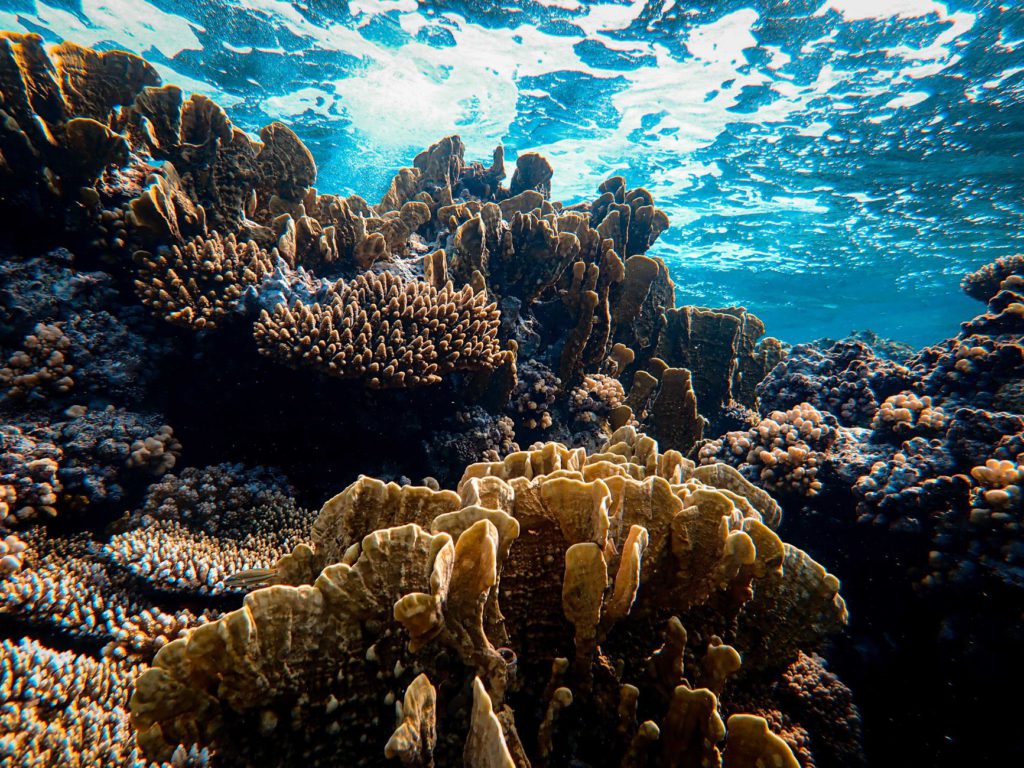
bleached corals recovery has become a focal point in marine conservation efforts. Recent lab experiments have successfully brought corals back to luminous life, showcasing the potential for ecological restoration.
Understanding Coral Bleaching
Coral bleaching occurs when corals, stressed by environmental factors like rising sea temperatures, expel the symbiotic algae living in their tissues. This process leaves the corals vulnerable and deprived of their vibrant colors, leading to a significant decline in their health and resilience. Understanding the mechanisms behind coral bleaching is crucial for developing effective recovery strategies.
Recent studies have highlighted the potential for bleached corals recovery through controlled laboratory experiments. Scientists have discovered that by adjusting temperature and light conditions, they can promote the reestablishment of these vital algae within the coral polyps. This restoration not only improves the corals’ appearance but also enhances their ability to thrive in changing ocean conditions.
Furthermore, researchers are exploring various methods to enhance coral resilience against future bleaching events, ensuring these ecosystems can survive and flourish despite ongoing environmental challenges.
The Importance of Coral Reefs
Coral reefs are essential to marine ecosystems, providing habitat and shelter for a diverse range of marine life. These vibrant underwater structures not only support biodiversity but also play a crucial role in coastal protection and tourism. However, climate change and pollution have led to widespread coral bleaching, threatening these vital ecosystems.
Coral reefs are often referred to as the “rainforests of the sea” due to their rich biodiversity. They are home to approximately 25% of all marine species, making their preservation vital for ecological balance. The recovery of bleached corals is therefore a pressing issue, as healthy reefs contribute to fisheries and protect coastlines from erosion.
Efforts to understand the recovery of bleached corals are vital. Recent lab experiments have shown promising results, indicating that there is hope for these ecosystems to bounce back. With continued research and conservation efforts, we may restore these underwater wonders to their former glory.
Lab Techniques for Coral Recovery
Recent lab experiments have demonstrated promising techniques for the recovery of bleached corals, showcasing a potential pathway to rejuvenate these vital marine ecosystems. Researchers employed various methods to enhance the resilience of corals affected by bleaching events.
- Symbiont Replacement: Scientists introduced symbiotic algae to bleached corals, which helped restore their vibrant colors and vitality.
- Thermal Acclimatization: Corals were gradually exposed to higher temperatures to help them adapt to warmer waters, a crucial factor given climate change.
- Nutrient Enrichment: By supplying essential nutrients, researchers improved the overall health of the corals, supporting their recovery from bleaching.
These innovative lab techniques for coral recovery not only show that bleached corals can be revived but also pave the way for potential large-scale restoration efforts in natural habitats. The ongoing research into bleached corals recovery holds significant promise for the future of coral reefs worldwide.
Success Stories in Marine Restoration
Recent lab experiments have showcased promising success stories in the recovery of bleached corals, demonstrating the potential for marine restoration. Researchers have implemented innovative techniques to revive these vital ecosystems, yielding remarkable results.
- Experiment One: In a controlled environment, scientists used a combination of temperature regulation and nutrient enrichment, leading to a significant increase in coral health and vitality.
- Experiment Two: Another study focused on the introduction of symbiotic algae, which successfully reinstated the coral’s natural color and resilience, showcasing the potential for bleached corals recovery.
- Community Involvement: Local conservation groups have collaborated with researchers, facilitating the transplantation of healthy corals back into damaged reefs, further enhancing restoration efforts.
These experiments not only highlight effective strategies for coral rejuvenation but also inspire hope for the future of marine ecosystems facing climate change challenges.
Future of Coral Conservation
The future of coral conservation looks promising as researchers continue to innovate in the field of marine biology. Bleached corals recovery has become a central focus, with numerous initiatives aimed at revitalizing these vital ecosystems. With the success of recent lab experiments, there is renewed hope for coral reefs worldwide.
Experts emphasize the importance of combining scientific research with practical applications to ensure long-term sustainability. Key strategies include:
- Restoration of genetic diversity to enhance resilience against climate change.
- Development of heat-resistant coral species through selective breeding and genetic engineering.
- Monitoring and protecting existing coral populations to prevent further bleaching events.
Collectively, these efforts signify a shift towards proactive measures in coral conservation. As awareness grows, collaboration among scientists, policymakers, and local communities will be essential to foster a healthier ocean environment.
Recent studies have shown promising results in bleached corals recovery, suggesting that specific interventions can enhance their resilience. The ongoing research aims to optimize these methods to ensure long-term bleached corals recovery in natural ecosystems.
Photo by Francesco Ungaro on Pexels