India’s resilience against anarchy: A Clear Perspective
India’s resilience against anarchy showcases a strong societal response to challenges.
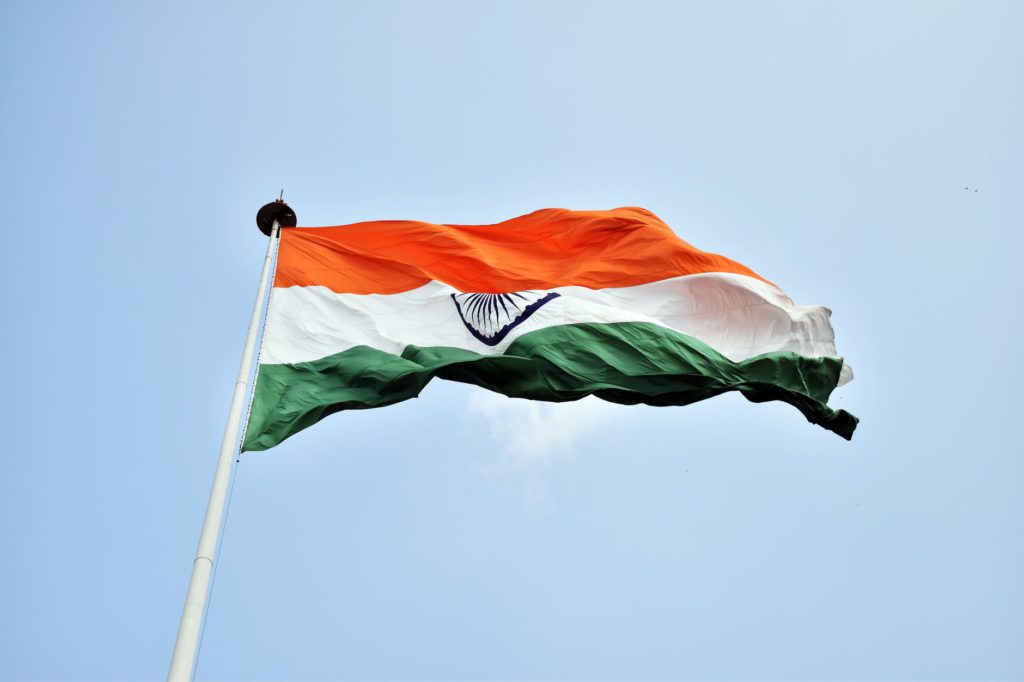
India’s resilience against anarchy is evident in the way communities come together during crises. This article explores the factors contributing to this strength.
Understanding the 3.5% Misnomer
The concept of the “3.5% misnomer” has gained traction in discussions surrounding social movements and resistance. This idea suggests that a mere 3.5% of a population can effectively instigate significant change, challenging existing power structures. However, this notion oversimplifies the complexities of societal dynamics, particularly in a diverse nation like India.
In the context of India’s resilience against anarchy, it’s essential to understand that the effectiveness of a movement is not solely determined by its numbers. Various factors contribute to the success or failure of social upheaval, including:
- Leadership: Strong, charismatic leaders can mobilize support more effectively than sheer numbers alone.
- Cultural context: Different societies respond uniquely to calls for change based on their historical and cultural backgrounds.
- Unity of purpose: A cohesive movement with a clear agenda is far more impactful than a fragmented one.
Thus, while the 3.5% statistic may seem compelling, it fails to capture the essence of what truly sustains a democratic society. India’s resilience against anarchy lies in its multifaceted approach to governance, societal cohesion, and the active participation of its citizenry. Understanding this misnomer allows for a clearer perspective on the mechanisms that uphold India’s stability amidst various challenges.
The Role of Community in India
In the face of rising challenges, India’s resilience against anarchy is significantly bolstered by the active role of local communities. Community involvement has proven to be a cornerstone in maintaining social order and fostering a sense of unity among diverse populations. This grassroots engagement is crucial in addressing issues that may otherwise escalate into larger conflicts.
Communities across India have developed various mechanisms to manage disputes and prevent chaos. These include:
- Local Mediation: Many communities emphasize traditional conflict resolution methods, where local leaders mediate disputes before they escalate.
- Vigilance Committees: In several regions, citizens form groups that monitor activities and report any suspicious behavior, thereby deterring potential unrest.
- Community Engagement Programs: Initiatives that encourage dialogue among different community factions help in building trust and understanding.
Moreover, the collective identity that arises from community ties fosters a shared responsibility towards societal well-being. Individuals often feel compelled to act when they perceive threats to their community, leading to a proactive approach in confronting issues that could lead to anarchy.
Ultimately, it is this robust community framework that underpins India’s resilience against anarchy, highlighting the importance of local action in safeguarding the fabric of society.
Historical Context of Anarchy in India
The historical context of anarchy in India reveals a complex interplay of social, political, and economic factors that have shaped the nation’s resilience against chaos. Throughout its history, India has faced numerous challenges that threatened its stability.
During the colonial period, British rule imposed a regime that often sparked widespread unrest. The struggle for independence saw significant instances of anarchy, as various factions vied for power and control. Despite this turbulence, the Indian populace demonstrated remarkable resilience, ultimately leading to the establishment of a democratic framework.
Post-independence, India has faced various internal conflicts, including regional separatism and communal violence. Each of these challenges tested the nation’s unity and governance structures. However, the robust democratic institutions and civic engagement have played a critical role in maintaining order and addressing grievances.
Key factors contributing to India’s resilience against anarchy include:
- Diverse Society: The multicultural makeup of India encourages dialogue and negotiation.
- Strong Institutions: An independent judiciary and a free press help to uphold the rule of law.
- Community Engagement: Grassroots movements often counteract potential unrest.
In conclusion, India’s historical experiences with anarchy have fostered a resilience that continues to evolve, highlighting the nation’s capacity to confront challenges while striving for unity and stability.
Government Responses to Street Anarchy
The recent surge in street anarchy has prompted a range of responses from the Indian government aiming to restore order and maintain stability. As the nation grapples with these challenges, the resilience against anarchy remains a focal point in policy formulation.
One of the key strategies employed by the government has been the implementation of stricter laws aimed at curbing public disorder. These laws not only empower law enforcement agencies but also seek to deter potential violators through stringent penalties. Additionally, the government has increased funding for community policing initiatives that encourage collaboration between law enforcement and local residents.
Moreover, the government has focused on enhancing dialogue with various community leaders, recognizing the important role they play in conflict resolution. This approach aims to create a more inclusive environment where grievances can be addressed before escalating into larger conflicts. Such initiatives are crucial in fostering a sense of belonging and accountability among citizens, thereby strengthening India’s resilience against anarchy.
Furthermore, public awareness campaigns have been launched to educate citizens about the consequences of participating in violent protests and the importance of peaceful demonstrations. These efforts exemplify the government’s commitment to not only address the immediate threats posed by street anarchy but also to cultivate a more informed and responsible citizenry.
In conclusion, the multifaceted governmental responses highlight India’s determination to navigate the complexities of social unrest while upholding democratic values.
Comparative Analysis with Other Nations
India’s resilience against anarchy can be better understood through a comparative analysis with other nations that have faced similar challenges. Several countries have grappled with street anarchy and civil unrest, yet their responses and outcomes differ significantly.
United States: The U.S. has witnessed numerous protests and riots throughout its history. However, the response has often been marked by a polarization of communities and heightened violence. The lack of a cohesive community response has sometimes exacerbated tensions rather than resolve them.
Brazil: In Brazil, the rise of street protests has been met with heavy-handed government crackdowns, leading to a cycle of unrest. The Brazilian experience highlights the importance of addressing root causes, such as inequality, which has often been overlooked.
South Africa: South Africa’s post-apartheid era has been riddled with protests against economic disparities. The government’s attempts to quell unrest through force have frequently backfired, resulting in further alienation of marginalized groups.
In contrast, India’s approach emphasizes community engagement and dialogue. The country’s diverse fabric enables various groups to collaborate in addressing grievances, allowing for a more stable response to potential anarchy. This resilience showcases India’s unique ability to navigate through chaos while fostering a sense of unity and shared purpose among its citizens.
Ultimately, India’s resilience against anarchy stands as a testament to the strength found in diversity and community solidarity.
Lessons Learned from Recent Events
In reflecting on recent events, several key lessons emerge that highlight India’s resilience against anarchy. The response of various communities demonstrates a profound understanding of the importance of unity and collective action. This has been particularly evident in moments of chaos, where citizens have come together to restore order and support one another.
- Importance of Communication: Effective communication between community members has proven crucial in dispelling misinformation and fostering a sense of solidarity. Grassroots initiatives have emerged, utilizing social media platforms to mobilize support and coordinate responses to crises.
- Role of Leadership: Charismatic and responsible leadership has played a significant role in guiding communities through turbulent times. Leaders who prioritize transparency and empathy have inspired resilience, reinforcing the social fabric and encouraging a collaborative approach to problem-solving.
- Emphasis on Education: Education has emerged as a potent tool in combating anarchy. Empowering individuals with knowledge about their rights and responsibilities fosters a sense of agency and encourages active participation in civic life.
- Adaptability of Institutions: Institutions that can adapt quickly to changing circumstances, whether through policy adjustments or community engagement, have demonstrated greater effectiveness in maintaining order and promoting resilience.
These lessons not only underscore the strength of Indian society but also provide a clear perspective on how to navigate challenges posed by anarchy, reinforcing the notion of India’s resilience against anarchy in the face of adversity.
Future Outlook for Indian Society
The future outlook for Indian society appears optimistic, as the nation continues to demonstrate its resilience against anarchy. Despite the challenges posed by social unrest and political instability, various factors contribute to a more cohesive and robust community landscape.
One of the key elements shaping the future is the increasing engagement of citizens in grassroots movements. This active participation fosters a sense of ownership and responsibility, empowering individuals to address local issues collaboratively. As more people become involved, the collective strength of communities grows, leading to a formidable defense against the threats of anarchy.
Another significant factor is the role of technology in connecting diverse groups. Social media platforms and mobile applications facilitate real-time communication, helping citizens organize and mobilize more effectively. This technological advancement not only enhances awareness but also enables a quicker response to emerging challenges.
Moreover, the government’s efforts to improve infrastructure and public services are vital in reducing discontent. By addressing the root causes of unrest, such as poverty and lack of education, the state can mitigate potential triggers for anarchy. Strengthening law enforcement and promoting justice will further bolster public confidence in the systems designed to protect them.
As India moves forward, the resilience against anarchy will hinge on the continued commitment of both the government and its citizens to nurture a society that values unity, inclusivity, and proactive engagement.
India’s resilience against anarchy is evident in its ability to maintain democratic processes even in the face of significant challenges. This remarkable strength showcases how India’s resilience against anarchy is rooted in its diverse culture and the unity of its people.
Photo by Amit Rai on Pexels
References
Obesity Drugs for Children: The Wrong Choice for Young Kids · Indian Share Markets Falling: The Worst Reasons Behind the Decline · UltraTech Cement leadership changes: Smart Proven Strategies