Cross-Border Terrorism: India’s Right Response to Threats
Cross-Border Terrorism is a pressing issue as India addresses threats from Pakistan and asserts its right to respond.
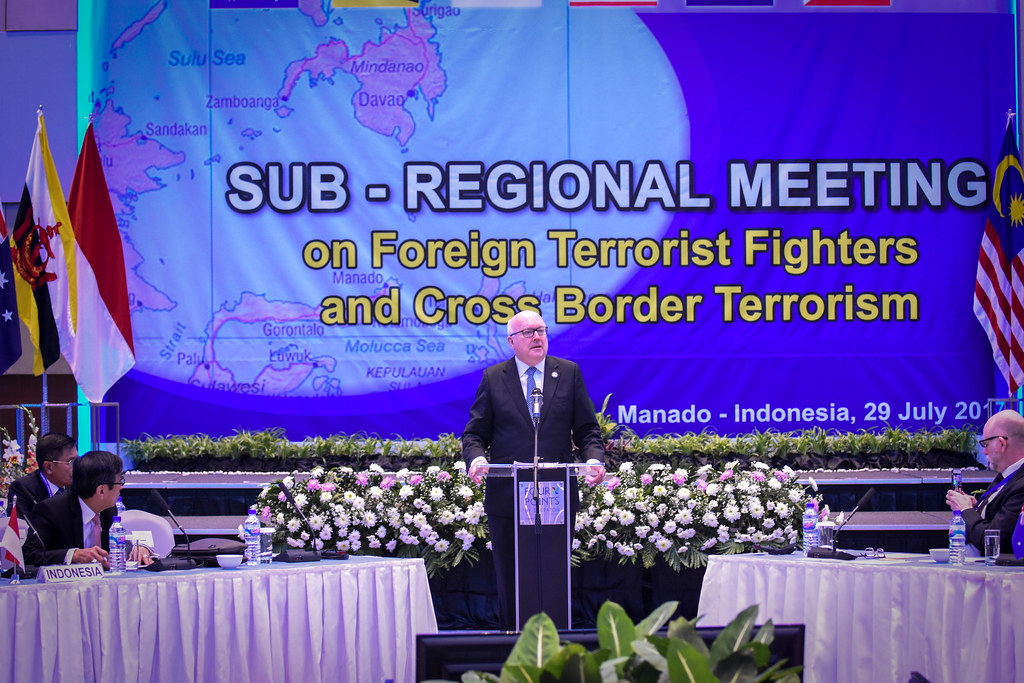
Cross-Border Terrorism has become a focal point in India’s defense strategy. The country has taken a firm stand against threats originating from Pakistan, emphasizing its right to respond.
Understanding Cross-Border Terrorism
Cross-border terrorism remains a critical challenge for nations, particularly for India, which has faced numerous attacks orchestrated from neighboring territories. This form of terrorism involves militants crossing international borders to carry out violent acts, often targeting civilians and security forces. Such actions not only destabilize the affected regions but also challenge the sovereignty of nations.
Understanding cross-border terrorism requires recognizing its underlying motives and methods. The tactics employed by these terrorist groups often include:
- Guerrilla warfare: Utilizing surprise attacks and ambushes to inflict maximum damage.
- Insurgency: Engaging in prolonged conflict to undermine governmental authority.
- Propaganda: Spreading ideologies to recruit and radicalize individuals.
India has long advocated for a zero-tolerance policy towards terrorism, emphasizing the need for a robust response to safeguard its citizens. The country’s stance is particularly focused on addressing the threats posed by cross-border terrorism, often directed from Pakistan. In recent diplomatic discussions, Indian officials have reiterated their right to respond decisively to such threats, aiming to deter further attacks and protect national interests.
As the global landscape evolves, understanding cross-border terrorism and formulating effective responses will be crucial for maintaining peace and security in the region.
India’s Stance on National Security
India’s stance on national security has evolved significantly in response to the persistent threat of cross-border terrorism. The government asserts a policy of zero tolerance towards any form of terrorism, particularly those emanating from neighboring countries. This commitment is rooted in a desire to protect its citizens and maintain territorial integrity.
In recent statements, Indian officials have emphasized the importance of a robust response to cross-border terrorism, declaring that the nation reserves the right to defend itself against any threats. The following points highlight India’s approach:
- Proactive Measures: India has increased its military preparedness along the borders, ensuring swift action can be taken in the event of an attack.
- International Diplomacy: The government seeks to rally global support against terrorism, urging other nations to take a stronger stance against cross-border threats.
- Intelligence Sharing: Collaborating with international partners to enhance intelligence capabilities is a priority for India to preemptively address terrorist activities.
- Public Awareness: Educating citizens about the dangers of terrorism and the significance of national security is vital to garnering public support.
As the situation evolves, India remains steadfast in its commitment to mitigating the risks associated with cross-border terrorism, showcasing resilience and determination in the face of challenges.
The Role of Pakistan in Regional Terrorism
The issue of cross-border terrorism has long been a significant challenge for India, with Pakistan often cited as a pivotal player in the region’s instability. The relationship between the two nations has been strained by a series of terrorist attacks that have been traced back to groups operating from within Pakistan’s borders.
Pakistan’s involvement in regional terrorism can be understood through several key factors:
- Support for Terror Groups: Various militant organizations, including Lashkar-e-Taiba and Jaish-e-Mohammed, have been allegedly supported by the Pakistani state. These groups are notorious for launching attacks on Indian soil.
- Geopolitical Strategy: By fostering terrorism, Pakistan aims to maintain its influence over Kashmir and destabilize India, viewing these actions as a means to counterbalance India’s growing regional power.
- Denial and Deception: Despite international pressure, Pakistan continues to deny its role in cross-border terrorism, often labeling these groups as ‘freedom fighters’ rather than acknowledging their violent tactics against India.
This persistent challenge has prompted India to adopt a more proactive stance, reinforcing its commitment to a zero-tolerance policy towards terrorism. As India navigates this complex landscape, the role of Pakistan in perpetuating cross-border terrorism remains a crucial aspect of the broader security discourse.
International Reactions to India’s Response
In recent weeks, India’s robust response to cross-border terrorism has garnered significant international attention and reactions. Many nations have expressed their support for India’s right to defend itself against threats that stem from its neighboring country, Pakistan.
Prominent world leaders have reiterated the importance of sovereignty and self-defense in the context of combating terrorism. Countries such as the United States, Russia, and several European nations have acknowledged India’s position, emphasizing that nations have the legitimate right to address threats that jeopardize their national security.
Among the key reactions, the United States has reaffirmed its commitment to combating terrorism globally. A spokesperson stated, “We stand with India in its fight against cross-border terrorism and support its efforts to maintain peace and security in the region.”
On the other hand, some nations have called for dialogue and diplomatic solutions to resolve tensions, urging restraint from both India and Pakistan. The United Nations has echoed these sentiments, highlighting the need for cooperative measures to tackle terrorism without escalating military confrontations.
Despite the mixed reactions, India’s stance remains clear: a zero-tolerance policy towards cross-border terrorism, coupled with a commitment to its national security. This firm approach has shaped not only India’s defense strategy but also its diplomatic engagements on the global stage.
Future of India-Pakistan Relations
The future of India-Pakistan relations remains precarious, particularly in light of the ongoing challenges posed by cross-border terrorism. While diplomatic efforts have been made to foster dialogue, the persistent threat of terrorism continues to undermine trust between the two nations.
Recent incidents have highlighted the fragility of peace talks, with both sides often resorting to accusations and counter-accusations. For India, the issue of cross-border terrorism is not merely a political concern but a matter of national security that demands a robust response. The Indian government has consistently emphasized its policy of zero tolerance towards terrorism, advocating for a united global front against such threats.
In this context, several factors will influence the trajectory of India-Pakistan relations:
- Diplomatic Engagement: Continued diplomatic initiatives could either bridge gaps or exacerbate tensions, depending on the willingness of both sides to address core issues.
- International Pressure: Global powers play a crucial role in mediating disputes and pressuring Pakistan to take action against terrorist groups operating from its soil.
- Public Sentiment: Nationalistic sentiments on both sides can either facilitate peace efforts or ignite conflict, complicating governmental approaches to diplomacy.
Ultimately, the path forward requires a careful balancing act between national security interests and the pursuit of lasting peace.
By Australian Embassy Jakarta via Openverse