Heat-Tolerant Amoeba: A Proven Discovery in Extreme Life
Heat-tolerant amoeba reveals secrets of life at extreme temperatures.
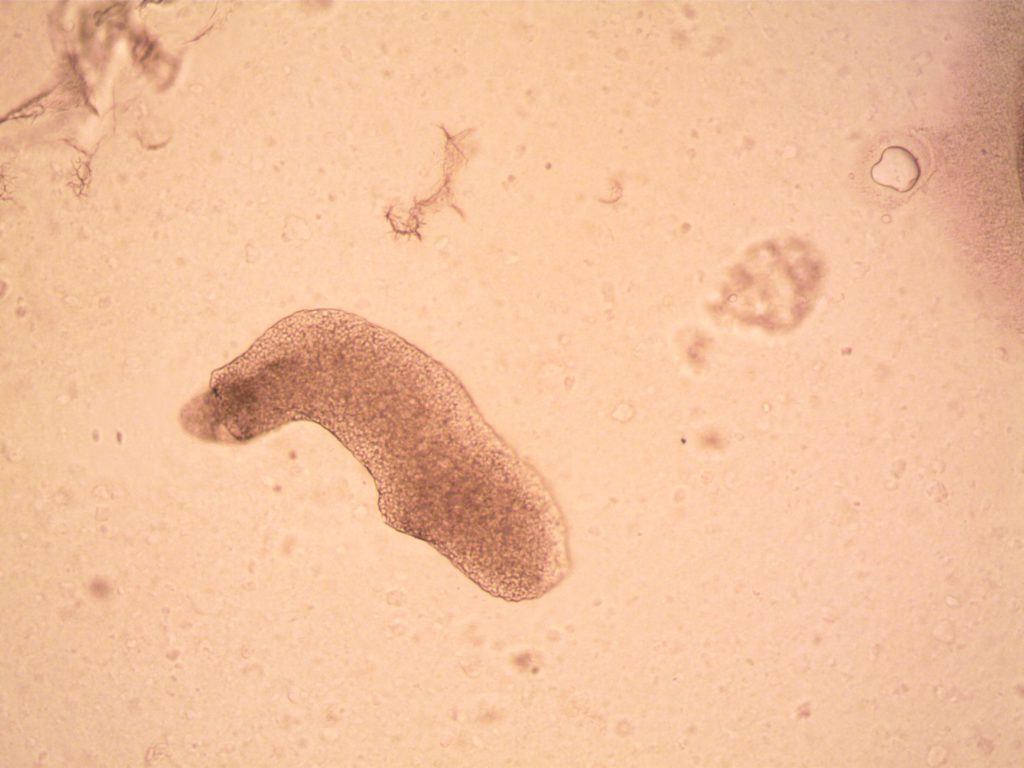
The heat-tolerant amoeba has been discovered, thriving at temperatures of 145°F. This remarkable single-celled organism sets new records for heat tolerance, prompting scientists to explore its unique adaptations.
What is the Heat-Tolerant Amoeba?
The heat-tolerant amoeba is a remarkable single-celled organism that has garnered attention for its extraordinary ability to thrive in extreme temperatures. Discovered in hot springs, this unique amoeba can reproduce at temperatures as high as 145°F, showcasing its resilience in environments that would be inhospitable to most forms of life.
Scientists have characterized this organism as a “fire amoeba” due to its preference for scorching habitats. Its cellular structure and metabolic processes have adapted to withstand high thermal stress, allowing it to maintain vital functions in extreme conditions. The heat-tolerant amoeba not only survives but also flourishes in environments that would typically denature proteins and disrupt cellular processes in other organisms.
Research into the heat-tolerant amoeba is paving the way for a deeper understanding of life in extreme environments. This discovery opens up possibilities for biotechnological applications and may offer insights into the limits of life on Earth and potentially other planets. The study of this amoeba could lead to advancements in fields such as medicine, where heat-stable enzymes could be utilized for various applications.
Overall, the heat-tolerant amoeba exemplifies the incredible adaptability of life and its potential to thrive in the most unexpected places.
How Scientists Discovered This Organism
In a remarkable breakthrough, scientists have discovered the heat-tolerant amoeba, a single-celled organism capable of thriving in extreme temperatures. This discovery was made during an exploration of geothermal hot springs, where researchers were investigating the adaptability of life in harsh environments.
The team, led by microbiologists from the University of California, collected samples from a hot spring that reached temperatures exceeding 145°F. Upon returning to the lab, they employed advanced techniques to isolate and study the organisms present in the samples. Through a series of experiments, they observed that the heat-tolerant amoeba not only survived but also reproduced under such extreme conditions.
Key factors that contributed to the successful identification of this organism include:
- Temperature Resilience: The ability to thrive at high temperatures sets this amoeba apart from many other microorganisms.
- Genetic Analysis: Sequencing the organism’s DNA allowed researchers to understand its unique adaptations.
- Field Studies: Continuous monitoring of its habitat provided insights into its ecological role.
This discovery not only expands our understanding of extremophiles but also raises questions about the limits of life on Earth and possibly other planets.
Implications for Extreme Environments
The discovery of the heat-tolerant amoeba has significant implications for our understanding of life in extreme environments. This remarkable organism, which thrives at temperatures reaching 145°F, challenges previous notions of biological limits.
As scientists continue to explore the potential applications of this heat-tolerant amoeba, several key areas of interest have emerged:
- Biotechnology: The ability of this amoeba to survive in such extreme conditions could lead to advancements in industrial processes that operate at high temperatures.
- Astrobiology: The resilience of heat-tolerant amoeba raises questions about the possibility of life on other planets, particularly in environments with extreme heat.
- Climate Change Research: Understanding how these organisms adapt to heat may provide insights into how ecosystems can cope with rising global temperatures.
- Medical Research: Studying the mechanisms that allow this amoeba to withstand extreme conditions may reveal novel strategies for addressing heat-related health issues in humans.
Overall, the implications of the heat-tolerant amoeba extend far beyond its immediate environment, offering a glimpse into the resilience of life and its potential in various fields of research.
Understanding Its Reproductive Mechanism
The reproductive mechanism of the heat-tolerant amoeba has intrigued scientists since its discovery. This remarkable organism is capable of thriving in extreme temperatures, with the ability to reproduce at astonishingly high levels, specifically around 145°F. Understanding how this amoeba reproduces under such conditions sheds light on its survival strategies.
Research indicates that the heat-tolerant amoeba employs a unique form of asexual reproduction, primarily through binary fission. During this process, the organism duplicates its genetic material and divides into two distinct cells, each capable of independent survival in harsh environments. This rapid reproduction rate allows the amoeba to quickly colonize extreme habitats.
Another fascinating aspect of its reproductive strategy is the amoeba’s ability to form cysts. Under conditions of extreme heat and limited resources, the amoeba can encase itself in a protective cyst, preserving its genetic material and metabolic functions. When conditions improve, the cyst can reactivate, allowing the amoeba to emerge and continue its life cycle.
In summary, the reproductive mechanism of the heat-tolerant amoeba not only showcases its resilience but also provides valuable insights into the adaptability of life in extreme environments.
Future Research Directions
As research into the heat-tolerant amoeba progresses, several future directions have emerged for scientists eager to unlock further secrets of this remarkable organism. A deeper understanding of its genetic makeup could provide insights into how life not only survives but thrives in extreme conditions.
- Genomic Studies: Researchers aim to sequence the genome of the heat-tolerant amoeba to identify specific genes associated with its heat resistance. This could lead to breakthroughs in biotechnology and medicine.
- Environmental Adaptations: Future studies will focus on how the amoeba adapts to its environment. Understanding its mechanisms for coping with extreme temperatures could inform climate change research.
- Applications in Bioremediation: There is potential for utilizing heat-tolerant amoebas in cleaning up environments contaminated with toxic compounds that thrive in high temperatures.
- Comparative Analysis: By comparing the heat-tolerant amoeba with other extremophiles, scientists hope to discover common strategies that various organisms utilize to survive in harsh environments.
As exploration continues, the heat-tolerant amoeba may not only redefine our understanding of life on Earth but also pave the way for innovative applications across multiple fields.
Photo by turek on Pexels