Cargo Plane Miami Runway: Investigators Start Work on Incident
Cargo plane Miami runway incidents are under investigation as officials seek answers.
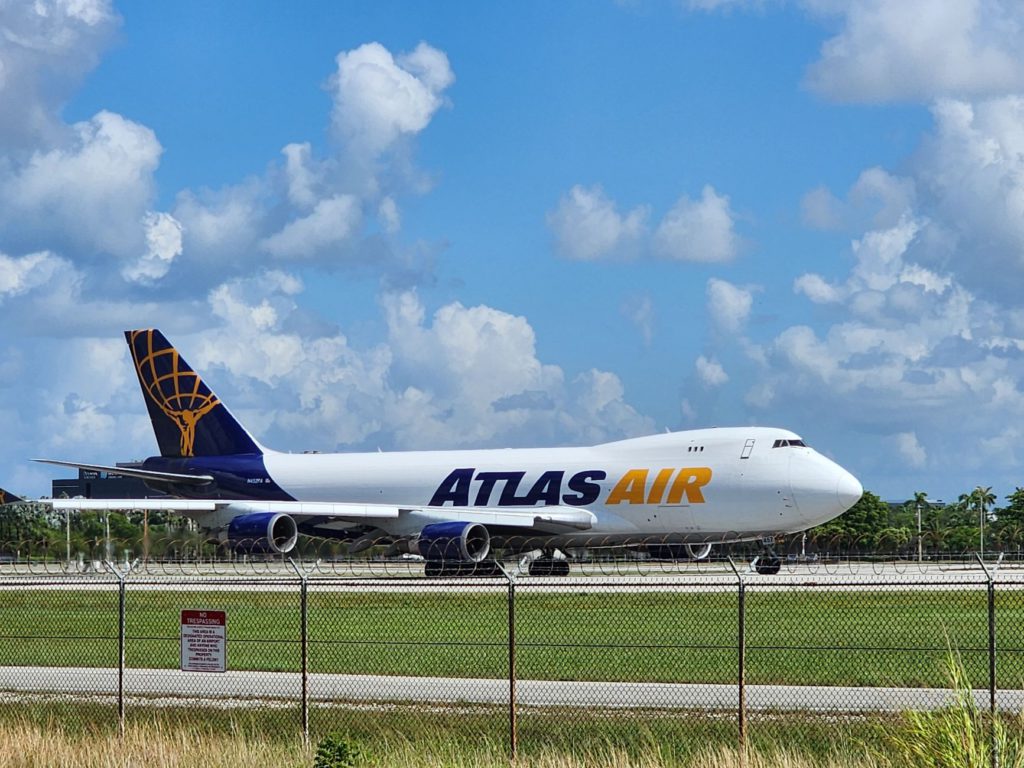
Cargo plane Miami runway incidents are now under investigation as authorities look into the reasons behind the overrun. This event raises important safety concerns for air travel in the area.
Overview of the Incident
On a recent evening, a cargo plane overran the runway at Miami International Airport, prompting an immediate investigation by aviation authorities. The incident occurred during a routine landing, raising concerns about potential safety protocols and the condition of the runway at the busy airport.
Initial reports indicate that the aircraft, a large cargo jet, failed to stop within the designated landing area, which led it to skid off the runway. Fortunately, all crew members aboard the plane were unharmed, and there were no injuries reported on the ground. However, the event has caused significant disruption to airport operations, with several flights delayed or rerouted.
The National Transportation Safety Board (NTSB) has dispatched a team to Miami to examine the circumstances surrounding the incident. Key areas of focus include:
- The weather conditions at the time of landing
- Possible mechanical issues with the aircraft
- The state of the runway surface
Authorities aim to identify the root cause to prevent similar occurrences in the future, as the safety of air travel remains a top priority.
Timeline of Events
On the morning of the incident, a cargo plane was preparing for landing at Miami International Airport. Here is a timeline of events leading up to the overrun:
- 10:30 AM: The cargo plane, carrying essential supplies, approached the runway amid clear weather conditions.
- 10:35 AM: The aircraft made contact with the runway, but early reports indicated potential braking issues.
- 10:37 AM: The plane began to skid past the designated stopping area, alarming air traffic controllers.
- 10:40 AM: Emergency services were alerted as the cargo plane came to a stop on the grass, just beyond the runway.
- 10:45 AM: All crew members were reported safe, and an initial assessment of the situation began.
Investigators are now focusing on understanding the factors that led to the cargo plane overrun, including possible mechanical failures and environmental conditions. They aim to provide clarity on this significant incident at the Miami runway.
Initial Reactions from Authorities
Authorities have expressed their concern following the cargo plane incident on the Miami runway. Initial assessments suggest that the aircraft, which overran the runway during landing, could have resulted in severe consequences. Local officials are prioritizing a thorough investigation to determine the exact causes of the mishap.
The National Transportation Safety Board (NTSB) and the Federal Aviation Administration (FAA) have both dispatched teams to the scene. They aim to gather evidence and analyze data from the flight’s black box, which may shed light on the factors contributing to the overrun. Investigators are particularly focused on:
- Weather conditions at the time of landing
- The aircraft’s maintenance history
- Potential human error in the landing procedures
- Runway conditions, including surface debris or other obstructions
Local residents have expressed their relief that there were no reported injuries, but they remain anxious about flight safety in the area. Authorities continue to monitor the situation closely as they work to ensure such incidents do not occur in the future.
Safety Protocols in Aviation
The recent incident involving a cargo plane that overran a Miami runway has raised significant concerns about safety protocols in aviation. As investigators begin their work to determine the causes and contributing factors, it is essential to reflect on the measures in place designed to prevent such occurrences.
Modern aviation safety protocols encompass a range of procedures and technologies aimed at ensuring the secure operation of flights. Key components include:
- Regular maintenance checks: Aircraft undergo routine inspections to identify potential mechanical issues before they become critical.
- Pilot training programs: Pilots are required to complete extensive training, including simulations of emergency scenarios, to prepare for unexpected situations.
- Runway safety measures: Airports implement various safety features, such as stopways and runway end safety areas (RESAs), to mitigate risks associated with overruns.
- Real-time data monitoring: Advanced technology allows for continuous monitoring of flight conditions and aircraft performance during landings.
Ultimately, the investigation into the cargo plane Miami runway incident will likely prompt a review of existing protocols to enhance safety and prevent future accidents.
Impact on Flight Operations
The incident involving the cargo plane that overran the Miami runway has significantly impacted flight operations at Miami International Airport. Air traffic control has implemented temporary restrictions on certain flight paths as safety measures are evaluated.
Passengers and airlines alike are feeling the repercussions of this event. Many scheduled flights have been delayed or rerouted, leading to increased congestion. Travelers are advised to check their flight status regularly as the situation continues to develop.
In addition to delays, airlines are working closely with investigators to gather information on how the cargo plane incident occurred. Maintenance checks and safety reviews have been expedited for all aircraft operating in and out of the airport, ensuring compliance with aviation standards.
- Airlines are experiencing a backlog of flights.
- Passengers are encouraged to arrive early at the airport.
- Air traffic controllers are receiving additional training to handle similar situations in the future.
As investigators begin their work on the cargo plane Miami runway incident, the airport community remains vigilant and focused on restoring normal operations while prioritizing safety.
What Led to the Overrun?
Investigators are now delving into the factors that contributed to the cargo plane Miami runway overrun, aiming to uncover the precise causes behind the incident. Initial assessments suggest several potential issues that may have played a role.
- Weather Conditions: Reports indicate that adverse weather conditions, including heavy rain, may have compromised the runway’s surface traction.
- Aircraft Specifications: The cargo plane’s weight and load distribution are under scrutiny to determine if they exceeded the recommended limits for a safe landing.
- Pilot Response: Investigators will analyze the actions taken by the flight crew during the landing approach, including their adherence to standard operating procedures.
- Runway Maintenance: The condition of the Miami runway itself is being evaluated to ensure it met safety standards at the time of the incident.
As this investigation unfolds, authorities emphasize the importance of identifying all contributing factors to prevent similar occurrences in the future. The findings will be crucial for improving protocols and ensuring the safety of cargo operations in aviation.
Expert Opinions on Runway Safety
Experts in aviation safety have weighed in on the recent cargo plane incident at Miami airport, emphasizing the importance of runway maintenance and pilot training. According to Dr. Emily Carter, a leading figure in flight safety research, “Understanding the factors that contribute to runway overruns is crucial for preventing future incidents.”
Several key factors have been identified by aviation specialists:
- Weather Conditions: Adverse weather, such as rain or wind, can significantly affect a pilot’s ability to land safely.
- Pavement Conditions: The state of the runway surface plays a vital role in aircraft braking performance.
- Pilot Training: Continuous training and simulation exercises are essential to prepare pilots for emergency scenarios.
- Air Traffic Control Protocols: Efficient communication between pilots and air traffic control can help mitigate risks during landing.
As investigators begin their work to determine the causes behind the cargo plane Miami runway overrun, these expert insights highlight the multifaceted nature of runway safety. This incident serves as a reminder of the ongoing need for vigilance in aviation practices.
Future Measures to Prevent Incidents
In the wake of the cargo plane Miami runway incident, aviation experts and regulatory bodies are emphasizing the need for enhanced safety measures to prevent similar occurrences in the future. A thorough investigation is underway, examining various factors that contributed to the overrun.
Key proposals for future measures include:
- Improved Training: Pilots and ground staff will undergo additional training focused on emergency response and runway safety protocols.
- Technology Upgrades: Airports may invest in advanced landing systems and better runway surface materials to enhance safety during adverse weather conditions.
- Regular Audits: Frequent safety audits and assessments will be instituted to ensure compliance with updated safety regulations.
- Community Engagement: Increased collaboration between airlines, airport authorities, and local communities to address concerns and improve overall safety perceptions.
These measures are designed not only to mitigate risks but also to restore public confidence in air travel. As investigations continue, stakeholders remain committed to learning from the cargo plane Miami runway incident to build a safer aviation environment for all.
Investigators are meticulously examining the cargo plane Miami runway incident to determine the cause of the mishap. Eyewitness reports indicate that the cargo plane Miami runway was busy with activity just before the event occurred.
Photo by Crystal vega on Pexels